Français
 Polski
Albert WINDMUELLER
This biography was written by a group of bilingual 9th grade students from the Mathias Grünewald secondary school in Guebwiller, in the Haut-Rhin department of France, with the guidance of their history and geography teacher, Mikael Addesa. The comic strip was produced by the 9th grade students of class 3e4 at the Hector Berlioz secondary school in Colmar, also in the Haut-Rhin department, with the guidance of their German teacher, Laurence Bourganis, and their art teacher, Christian Rimelen.
Albert Windmüller was born on November 2, 1881 in Münster, Germany.
His parents were Markus (Max) Windmüller (born in Rheda on September 23,1853, died in Krefeld on January 03,1937) and Selma Grenfeld (born in Aertzen on August 8, 1854, died in Münster on March 16, 1907). He had three sisters, Johanna, Lina and Paula.
He served as a private in the First World War. After the war, he became a member of the Moers town council.
He worked closely with his brother-in-law, Paul Berkley, who was married to his sister Johanna. They owned fabric stores in Meerbeck and Hochheide, a household goods store called Hawaba in Lintfort, and the Gloria movie theater in Rheinhausen.
On April 9, 1912, Albert married Else Sänger in her hometown of Witten, Germany. A year later, on March 31, 1913, thy had daughter, Gertrude Thérèse Windmüller, who was born in Moers in the Lower Rhineland. Else was a homemaker.
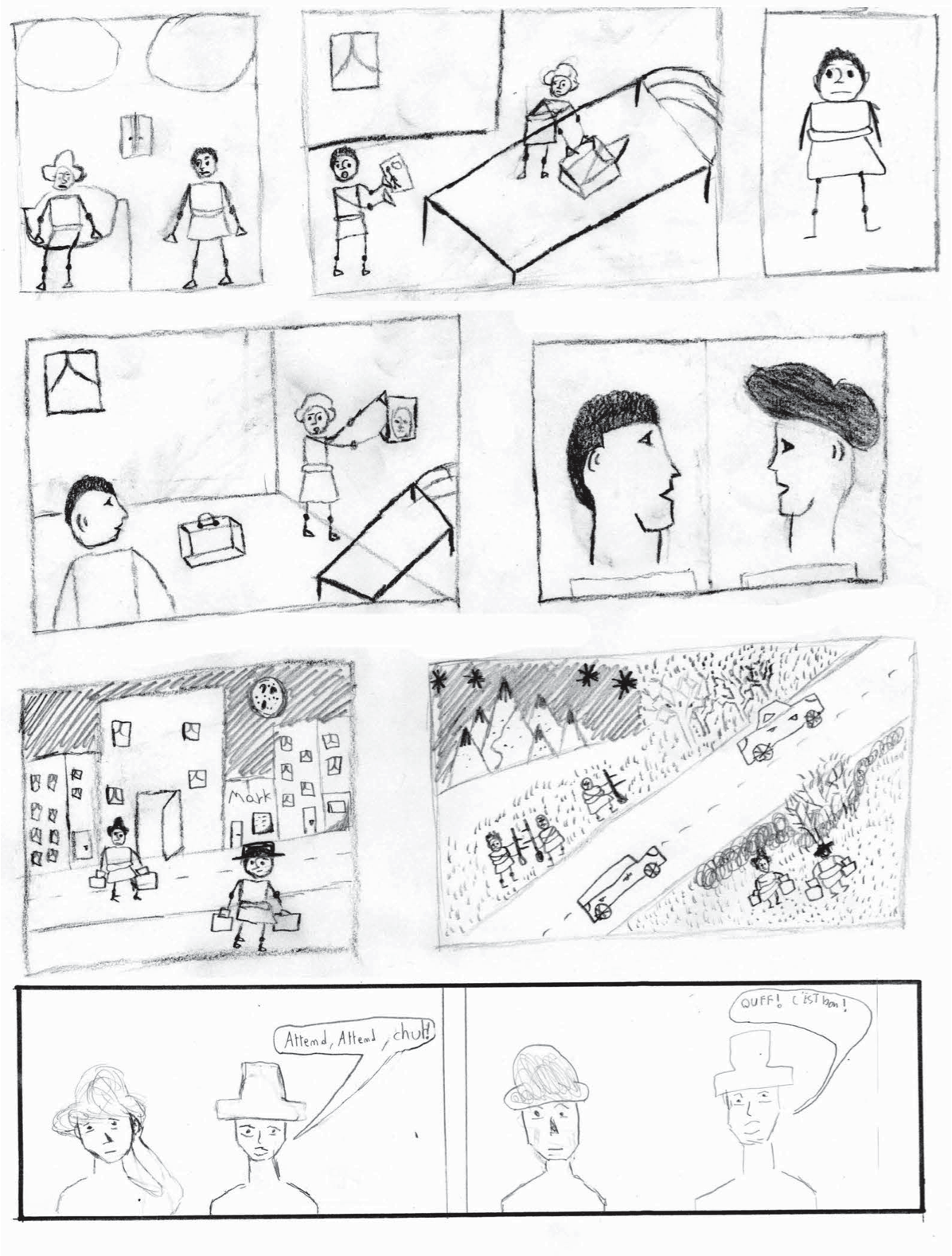
When Hitler came to power in 1933, their daughter Gertrude, who was studying medicine in Bonn, left Germany for Milan, in Italy, to pursue her studies there.
In 1938, as the Nazis waged war on the Jewish community, Else and Albert no longer felt safe in Germany.
They made a difficult decision: they abandoned their home and belongings in Krefeld and went to join their daughter in Milan.
In the meantime, Gertrude had married a man called Natalino Riolo and had a son.
After only a few months in Italy, at a time when anti-Semitism was increasing rapidly, Albert and Else’s residence permits were not renewed. This meant they had to leave the country, and in January 1939, they moved to France.
In 1940, the German army occupied Paris. Albert and Else were forced to flee once again. This time they headed to the southwest of France, with the intention of crossing the border into Spain, continuing on into Portugal and sailing from Lisbon to the United States.
Crossing the Spanish border proved too risky, however. Numerous other groups of people were arrested, so they decided to abandon their plan and try another escape route, this time to Switzerland.
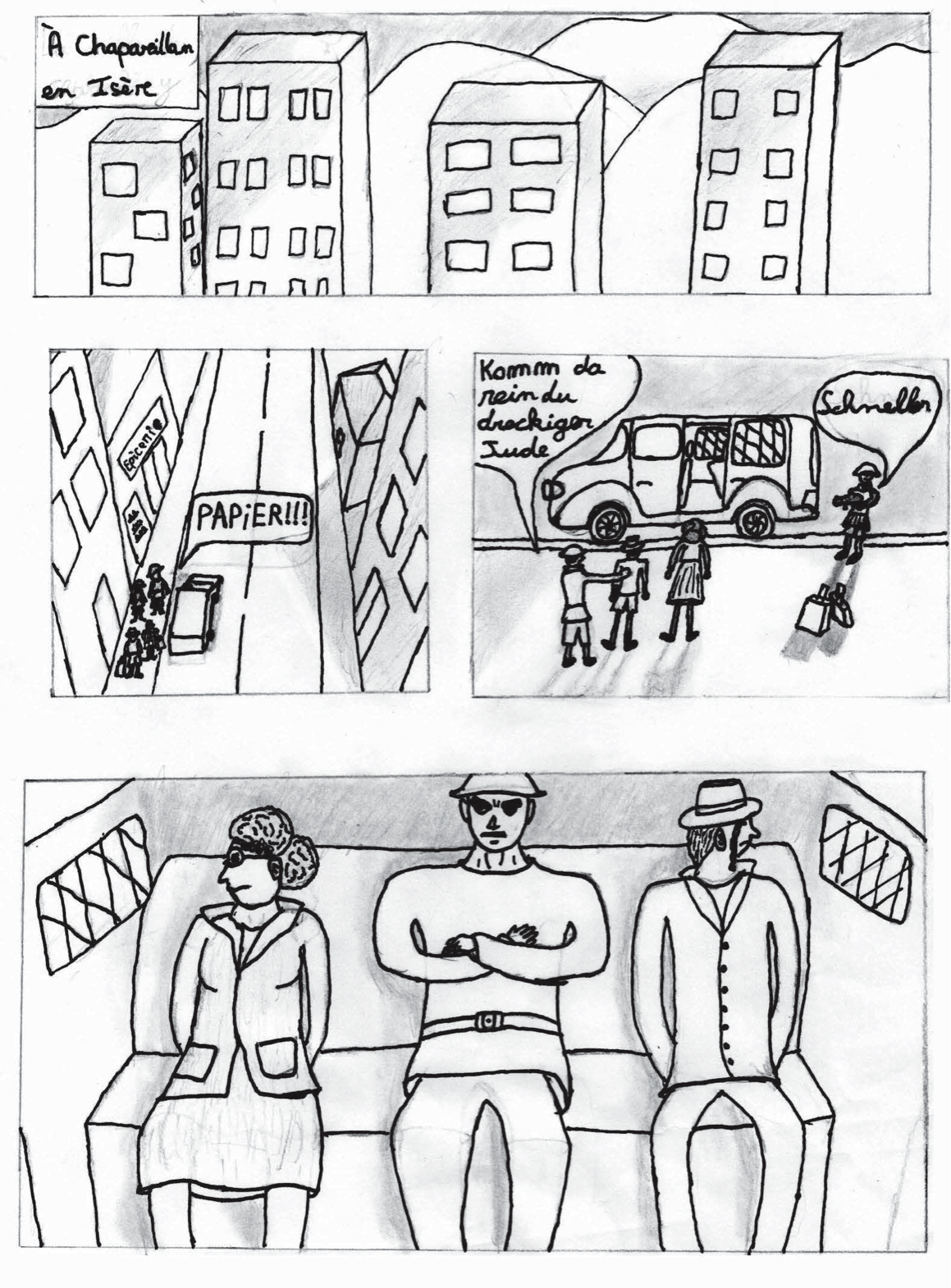
On July 9, 1944, the Gestapo arrested Else et Albert in Chapareillan, in the Isère department of France, where they had been living in hiding. They were arrested simply because they were Jewish.
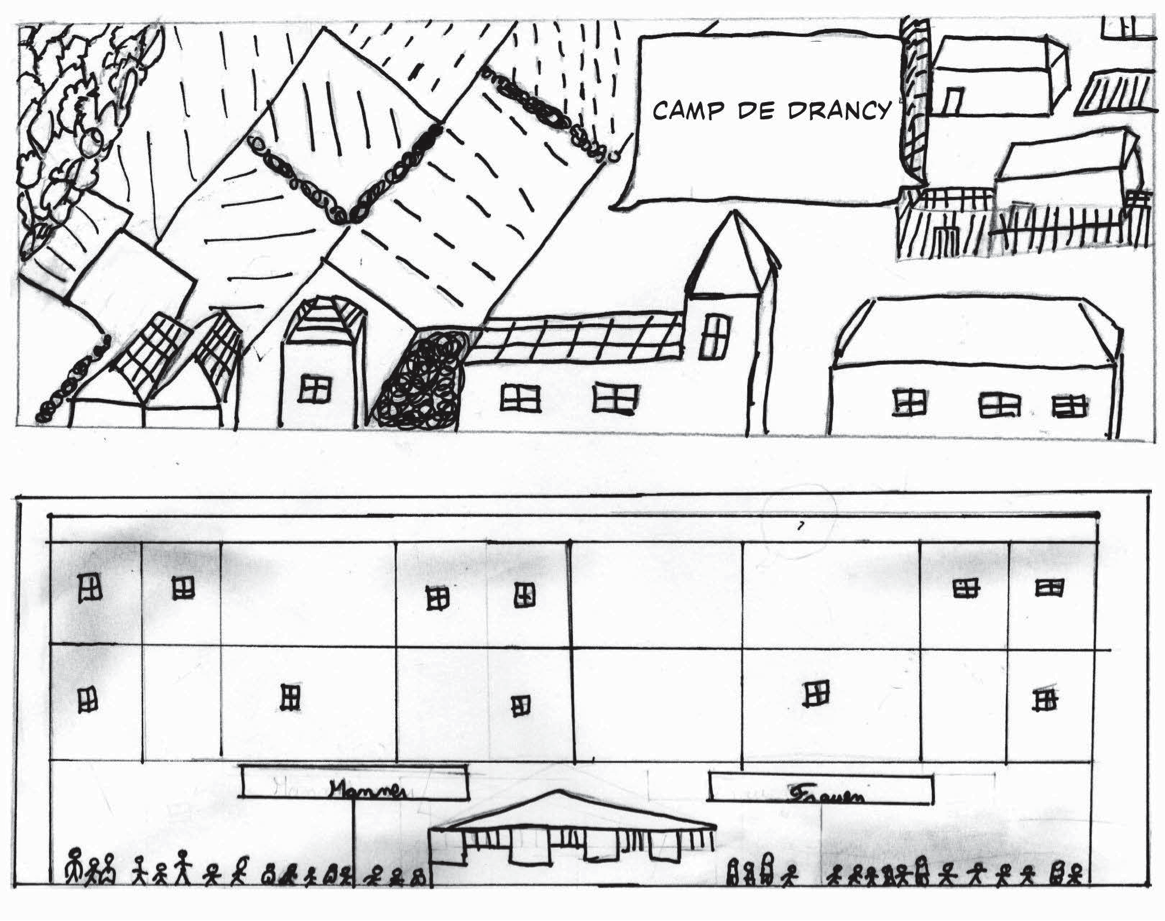
On July 11, 1944, they were taken to the Saint Paul women’s prison in Lyon, in the Rhône department of France, and from there transferred to the Drancy transit camp, north of Paris, on July 24, 1944.
When he arrived in Drancy, Albert was assigned the serial number 25,863.
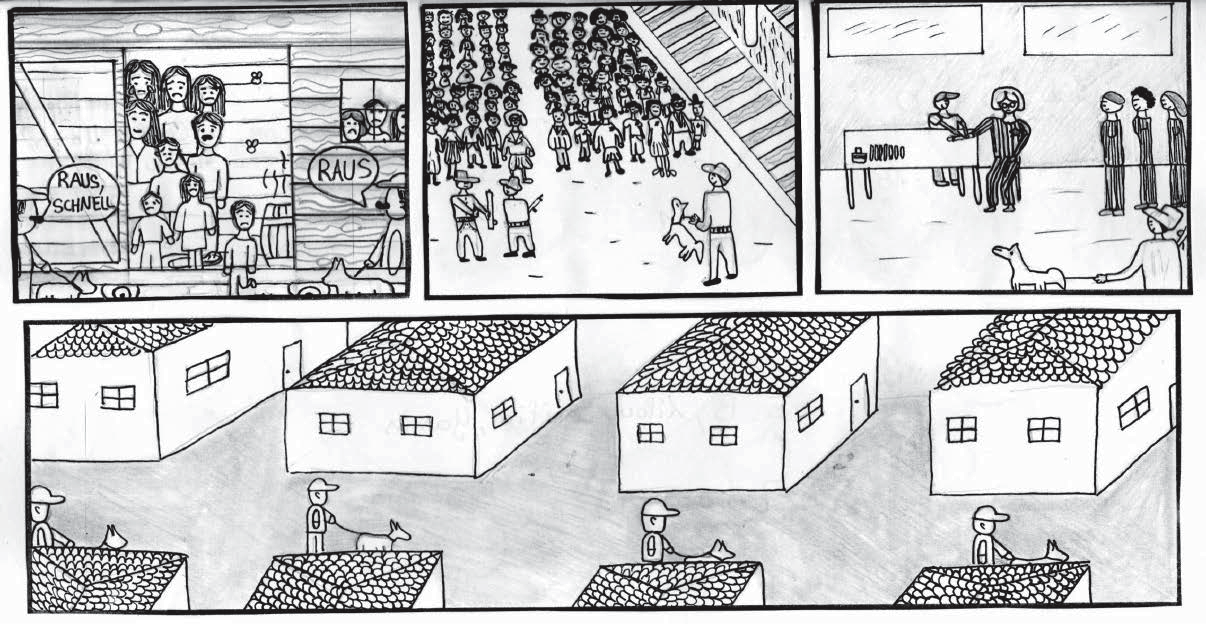
On July 31, 1944, Albert and Else Windmüller were deported on Convoy 77 to the Auschwitz concentration and extermination camp, never to return. They were later declared to have died on May 8, 1945.
Albert’s sister Johanna was also deported to Auschwitz, probably from Holland, where she and here husband, who was born there, were probably living, given their their two daughters were also born there. She died on October 30, 1944, a few months after her older brother.
Paula, whose married name was Leiser, was declared to have died on May 8, 1945, the day that Germany surrendered.
We do not know what became of Albert’s other sister, Lina. She was married to Henry Vos, who was born in La Haye, Holland.
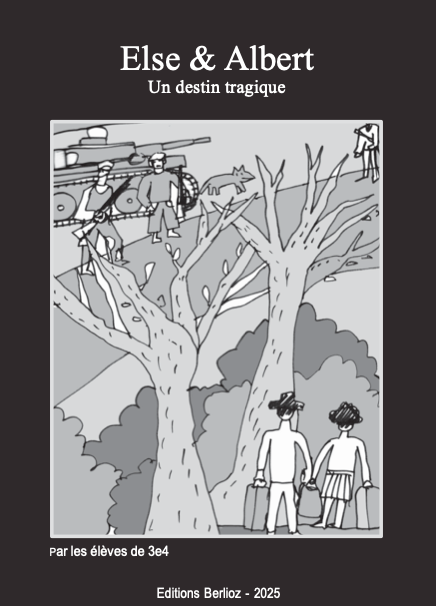
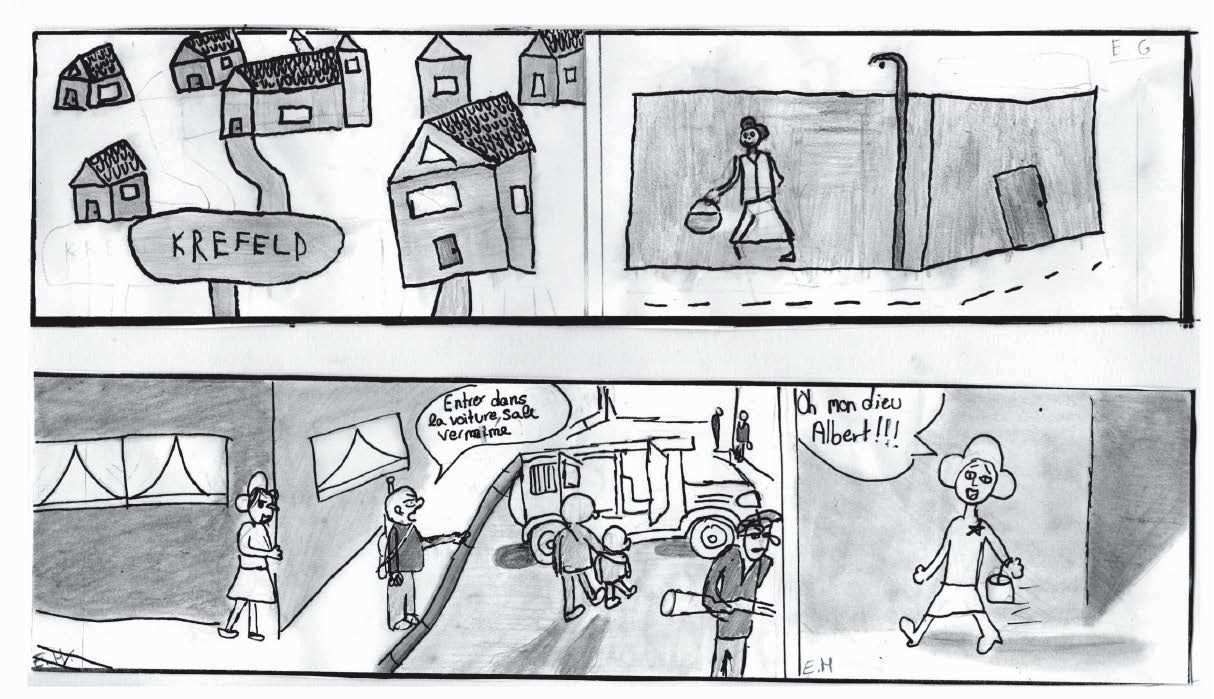
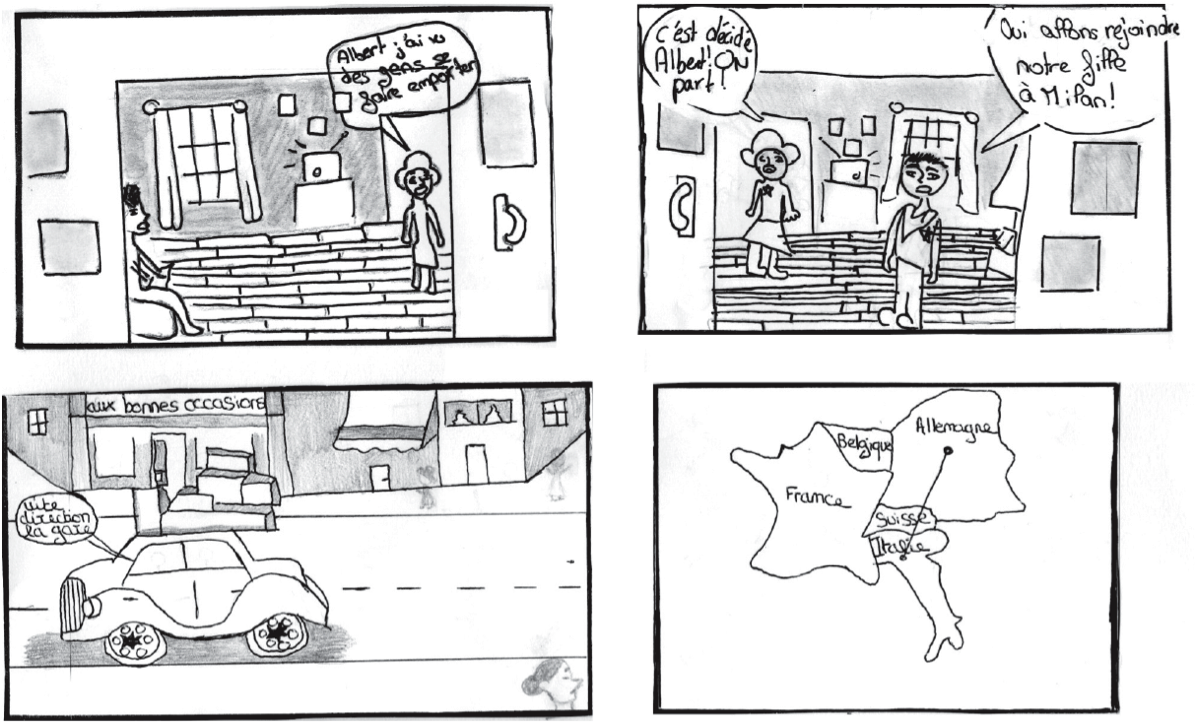
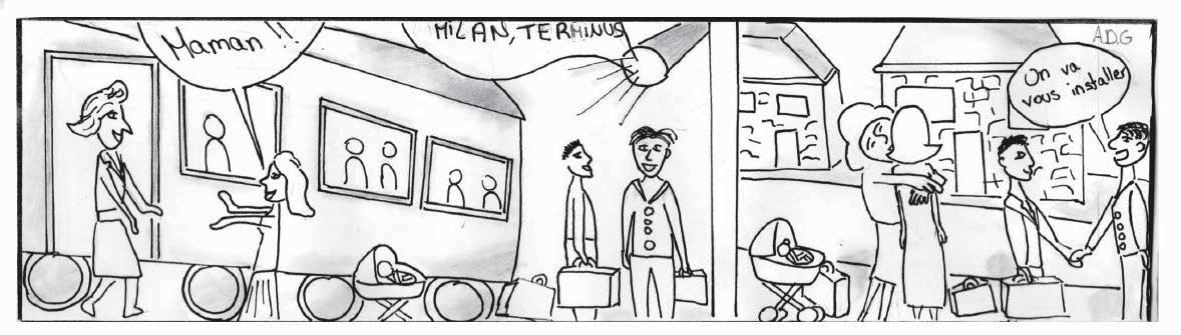
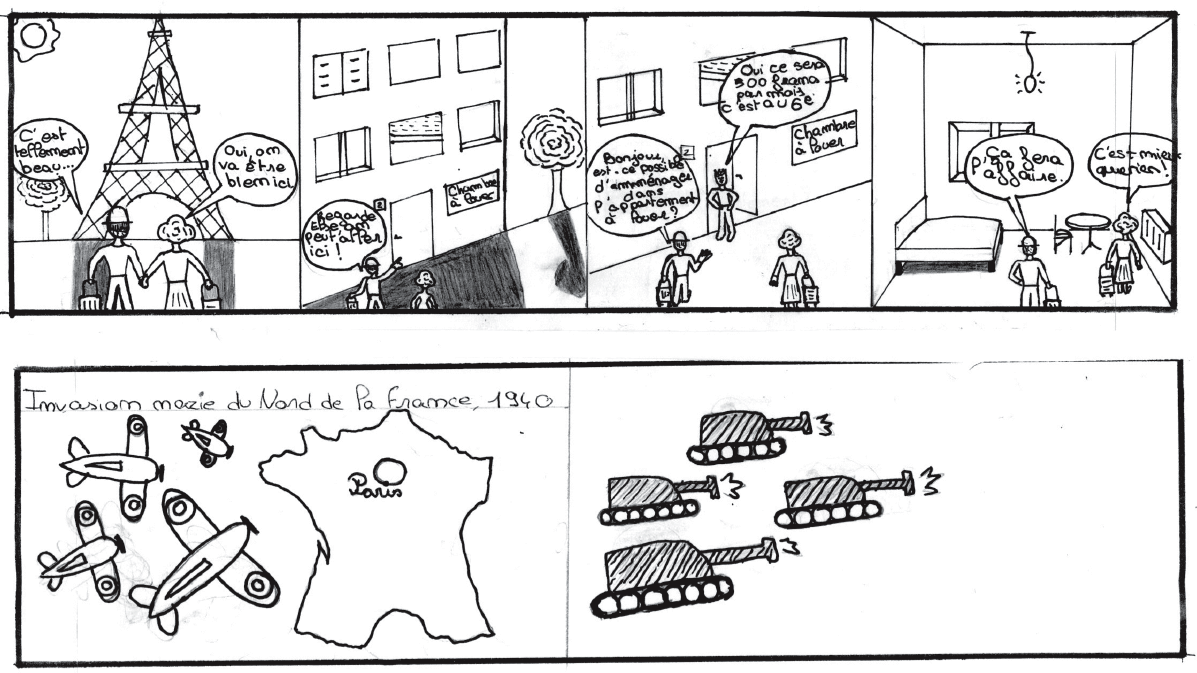
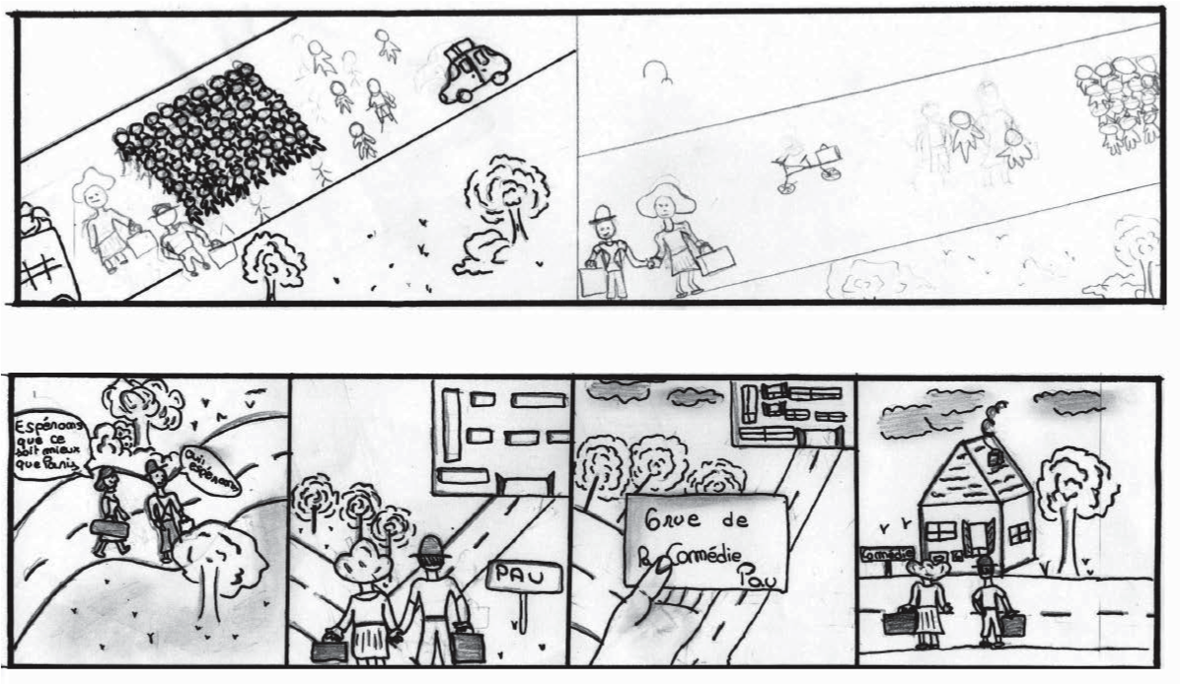
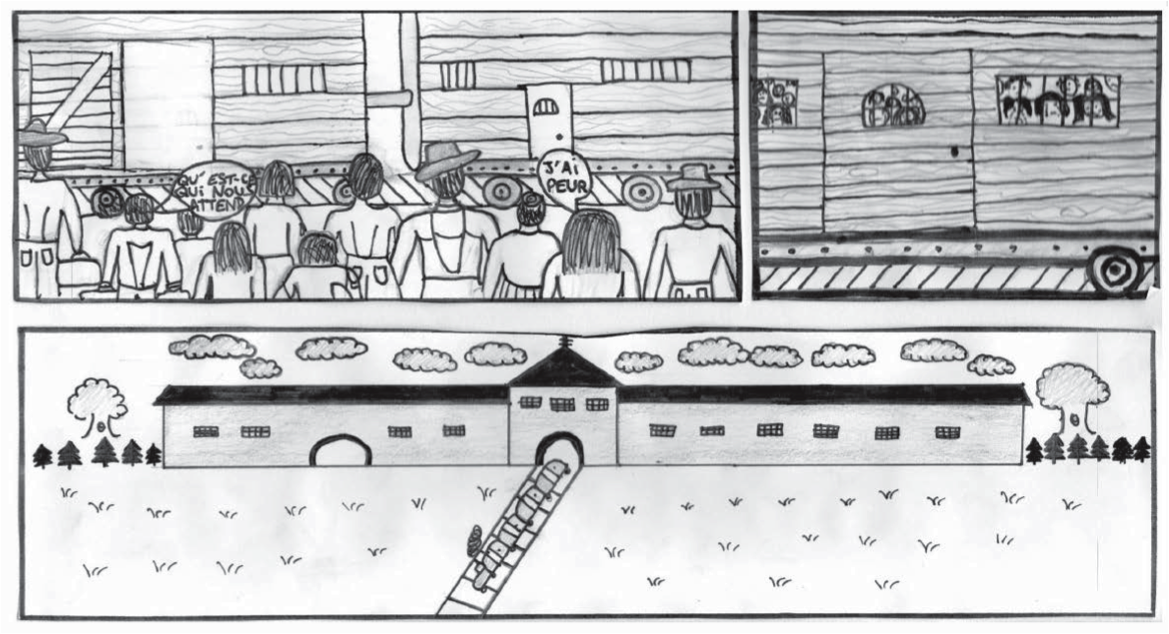
- PDF in French only: “Comment réalise-t-on une bande-dessinée?”
To address this question, the French illustrator Etienne Gendrin, who created the album “Têtes de mule” (2022), teamed up with students to design and produce a comic strip based on the life story of Else and Albert Windmüller, a German couple who died in the Auschwitz concentration camp. - The German version of the PDF