

 Français
 Polski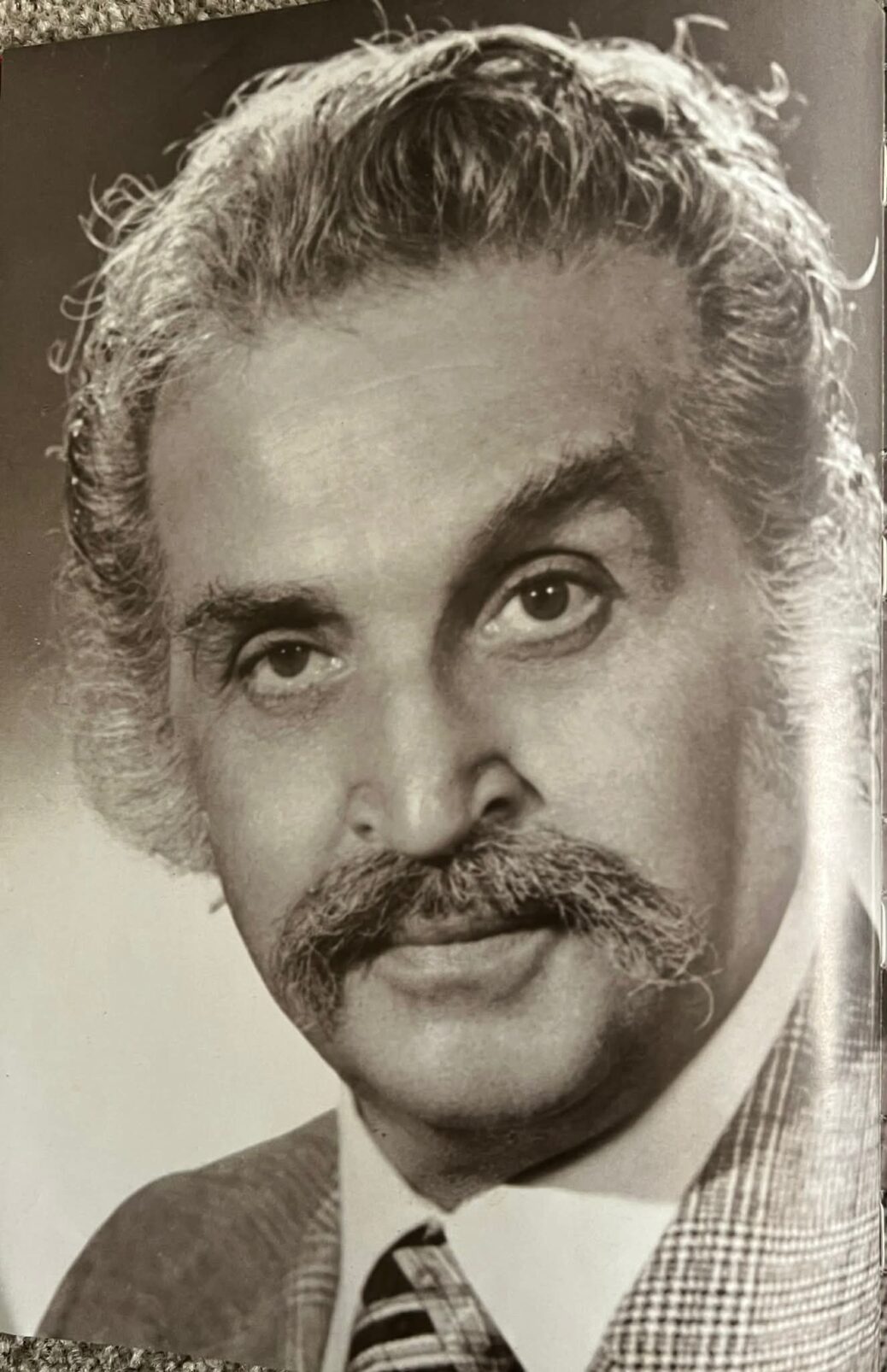
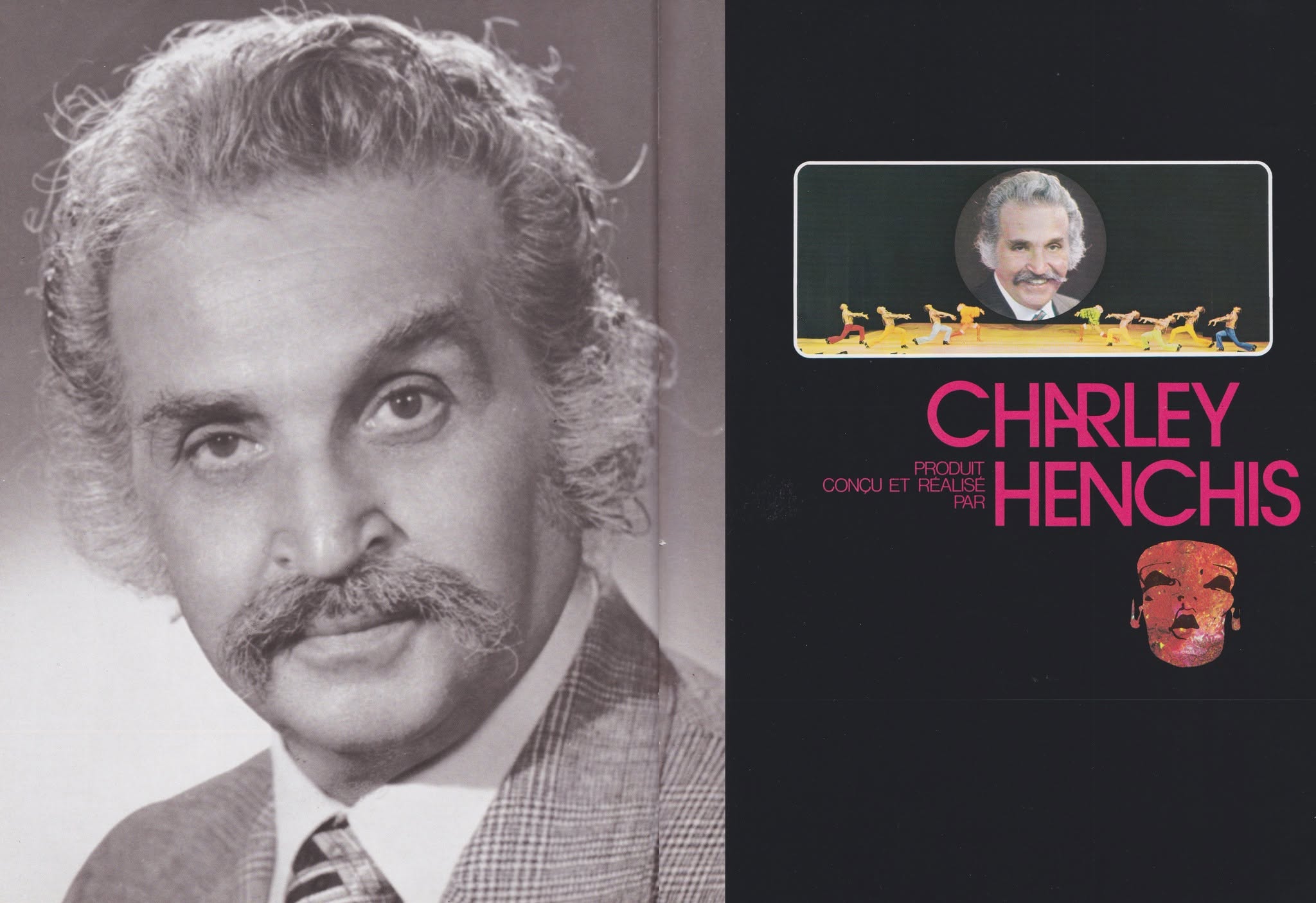
HIAM HENCHIS (1909-1994)
This biography of Hiam Henchis was put together through research carried out by students from France (Collège Le Plantaurel, Cazères), Germany (St.-Ursula Realschule, Attendorn), Ukraine (Kamianka School “Intelect,” Zaporizhzhia), and Romania (Colegiul Național Pedagogic “Constantin Brătescu,” Constanța), as part of the eTwinning project Memory Keepers, a citizenship and remembrance project. The students worked in international teams. They researched historical archives and official documents and collected testimonies, in order to bring back part of the identity of Hiam Henchis, who was deported to Auschwitz on Convoi 77, and to keep his memory alive.
The project was carried out in English throughout the 2025–2026 school year. The students therefore wrote this biography in English, and the French students then rewrote it in French.
Hiam Henchis is one of those people whose whole life seems shaped by the great upheavals of twentieth-century history: pogroms, exile, war, deportation, resistance, and finally rebirth. He was born in Bessarabia in 1909 and died in Paris in 1994. As a child, he crossed Europe alone. He survived the Nazi death camps and became one of the greatest show producers of his time, working everywhere from the stages of Paris to the casinos of Beirut and Las Vegas. His life was marked by secrecy, by many different identities, and by complete silence about what he had been through — perhaps his way of surviving, once again.
ORIGINS AND YOUTH (1909–1937)
Born in Bessarabia
Hiam Henchis was born on 15 August 1909 in Glinaia — a place also written as Hlinaia or Linduid in different documents — in the Bessarabia region, then part of the Russian Empire and today part of Moldova. He came from a Jewish family, most likely Orthodox Jewish. His father, Salomon Henchis (also called Saïmon or Soliman), died in 1920, leaving Hiam an orphan at the age of eleven. His mother was named Tatiana Robinovick, also spelled Robinovich or Tobel Roubanovitch in different records. We do not know when or how she died.
Hiam lived in Glinaia until 1921. He belonged to the Russian Orthodox Church — as shown by a parish certificate from the rue Daru church in Paris — and grew up between Jewish and Slavic Orthodox traditions, which was common in Bessarabian communities at the time.
Fleeing Russia and wandering through Europe
According to testimony from people close to Hiam — a family who asked not to be named in this biography, out of discretion, but who shared a great deal of valuable information — he left Eastern Europe very young, at around age 12, to escape antisemitic violence, most likely during the pogroms that were devastating the region at the time. His whole family is said to have died during this dangerous journey, leaving Hiam alone, with no nationality, an orphaned teenager wandering across Europe. This account, passed down by his long-time friend, cannot be fully confirmed by official records, which only mention his father’s death in 1920.
Note: The timeline of Hiam’s movements between 1921 and 1937 is not the same in every source. Some documents say he stayed in Romania until 1927; others say he was already in Brussels in 1922. Stops in Rome and Milan are also mentioned, but no exact order can be established. This kind of uncertainty is common for stateless refugees.
What we do know for certain is that Hiam spent several years in Brussels, where he built his early career as a performer in well-known venues: the Théâtre de la Gaïté, the Alhambra, and the Ancienne Belgique. These early years on stage shaped a complete performer, equally comfortable with theatre, circus, and dance. He also became fluent in French, German, and Russian — a gift for languages that would matter a great deal during the Second World War.
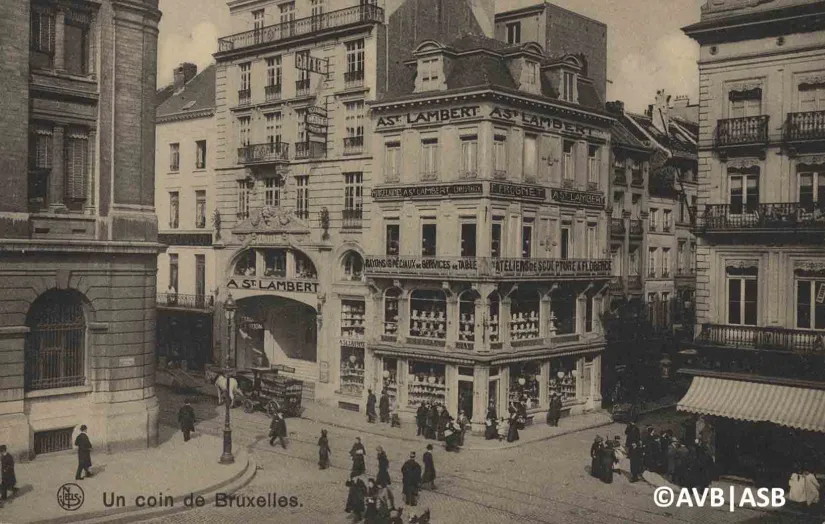
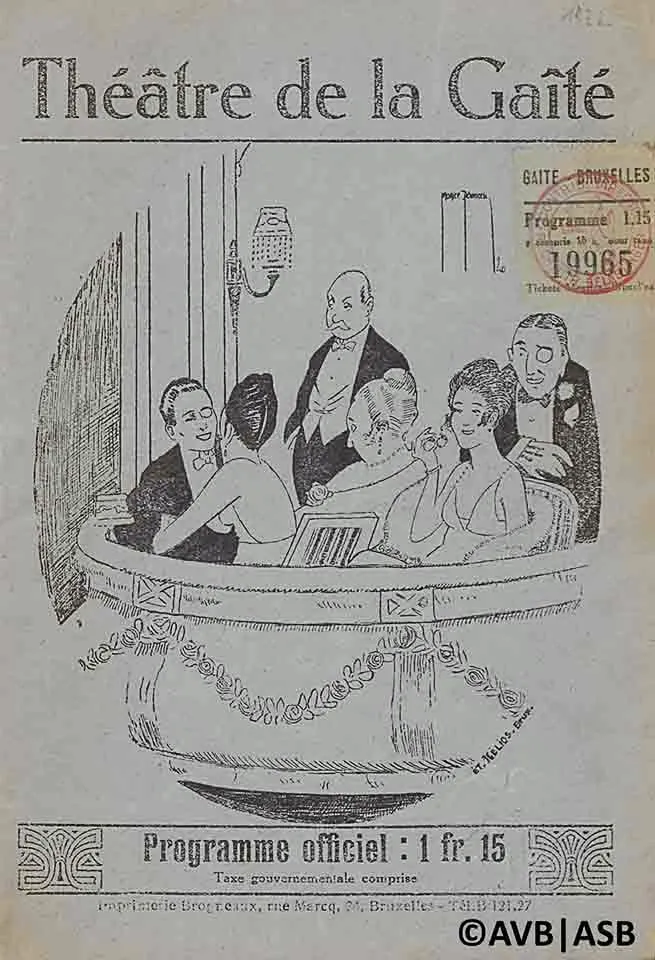
Documents : archiviris.be
Arrival in France (1937)
In April 1937, Hiam Henchis arrived in France and settled at 14, rue de Mazagran, in the 10th arrondissement of Paris. He was stateless at the time and travelled with a Nansen passport — a document the League of Nations gave to refugees who had no nationality. In Paris, he quickly entered the world of entertainment, working for places such as the Cirque d’Hiver and the Olympia.
In March 1939, he sailed to Argentina for a theatre tour with Josephine Baker — his first international engagement, which hinted at the worldwide career he would build after the war. He came back to Europe through Antwerp on 16 August 1939, just weeks before the war began, and kept performing at the Théâtre de la Gaïté in Brussels until 20 February 1940.
THE WAR — SERVICE AND RESISTANCE (1939–1944)
Joining the army in 1940
On 1 March 1940, Hiam Henchis volunteered for the French army in Rouen. The records about his service do not all agree: some say he joined the 12th Foreign Regiment at Sathonay (Rhône) in June 1940 and was discharged on 26 September 1940; others, from the Secretariat of State for the Armed Forces in 1951, say no trace of him could be found in the military registers. He also claimed at one point to have served in the Foreign Legion, though his name does not appear there.
Note: These contradictions about his military service are worth mentioning. The official sources do not let us settle the question for certain, although a document signed by General Lehr states that Hiam appears to have belonged to a resistance group from 1943 onward.
The years in Caussade (1942–1944)
From 1942 to 1944, Hiam was placed in a group of foreign workers and lived in Caussade, in the Tarn-et-Garonne, on cours Didier Rey, where he taught music. At the same time, from 1942 to 1943, he worked for the Société Parisienne de l’Industrie, at 85 boulevard Haussmann in Paris. During the Occupation, he carried a false French identity card — a common way for foreign Jews to try to survive round-ups and deportation.
Resistance with the Morlot network
From 12 July 1943, Hiam Henchis joined the Bir-Hakeim maquis (7th company) in the Tarn-et-Garonne. On 3 May 1944, he was sent to Paris and placed at the service of the Morlot Resistance network. Because he spoke German perfectly, he was given a particularly dangerous and valuable job: he wore a German officer’s uniform to carry out intelligence missions deep inside enemy territory, and he carried forged military papers for the Morlot network.
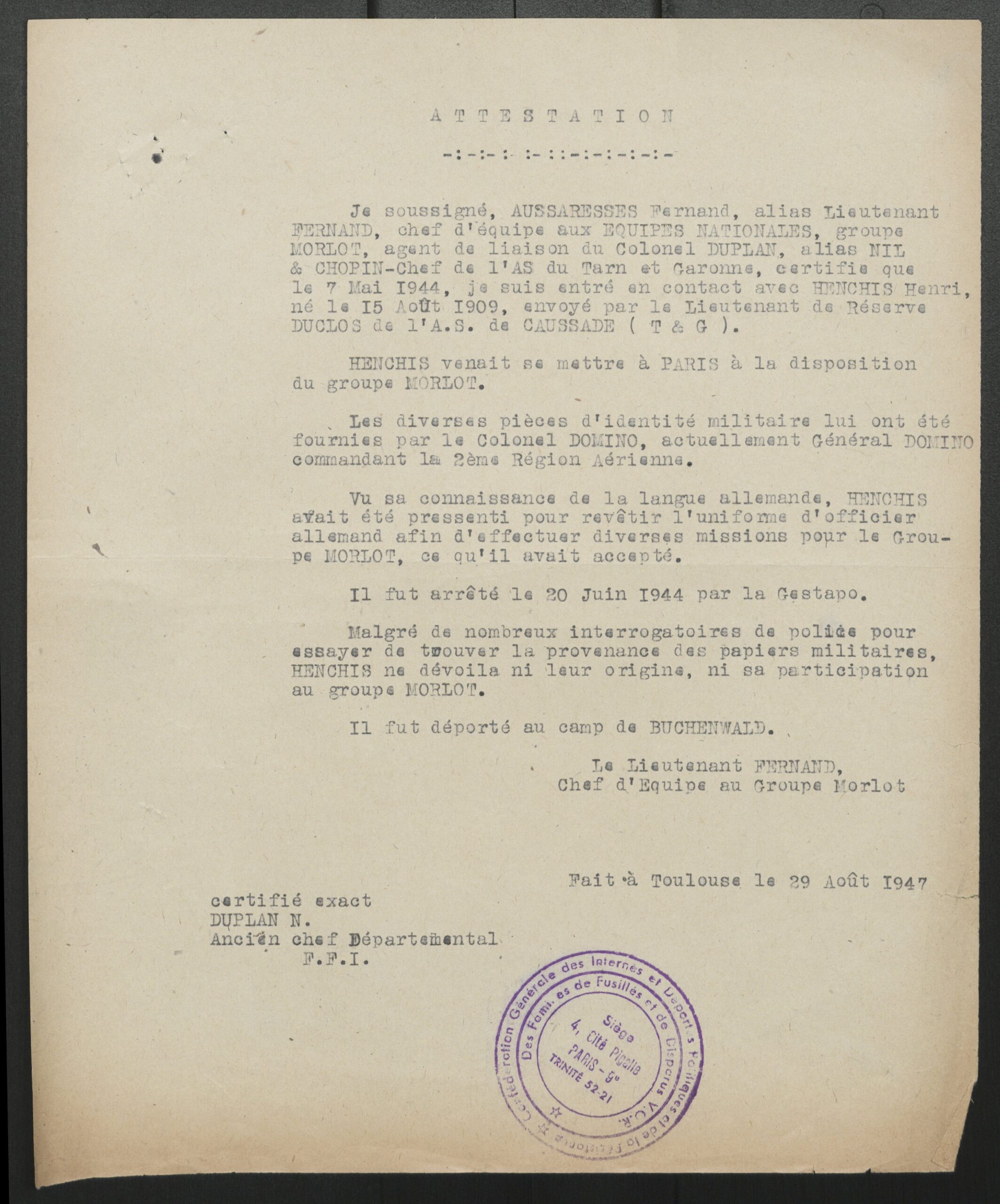
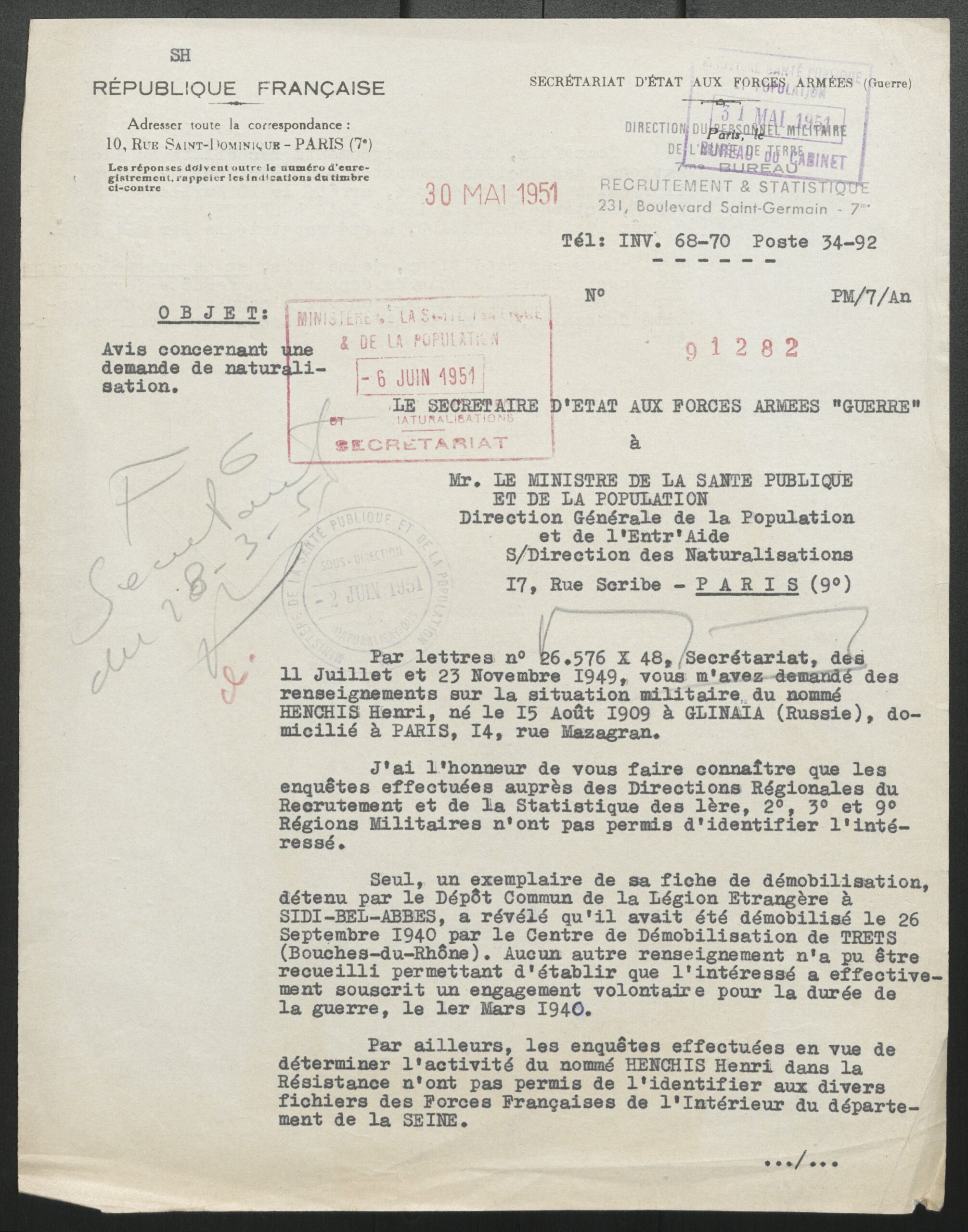
These resistance activities are confirmed by a signed statement from Lieutenant Fernand, team leader of the Morlot network, made in Toulouse on 29 August 1947. Although the truth of these actions was questioned during his naturalisation applications, a document from the SDECE (the French foreign intelligence and counter-espionage service) dated 3 September 1952 concludes that his resistance record appears to be genuine. General Lehr, in a General Staff document, also confirms that Hiam appears to have belonged to a resistance group between 1943 and June 1944.
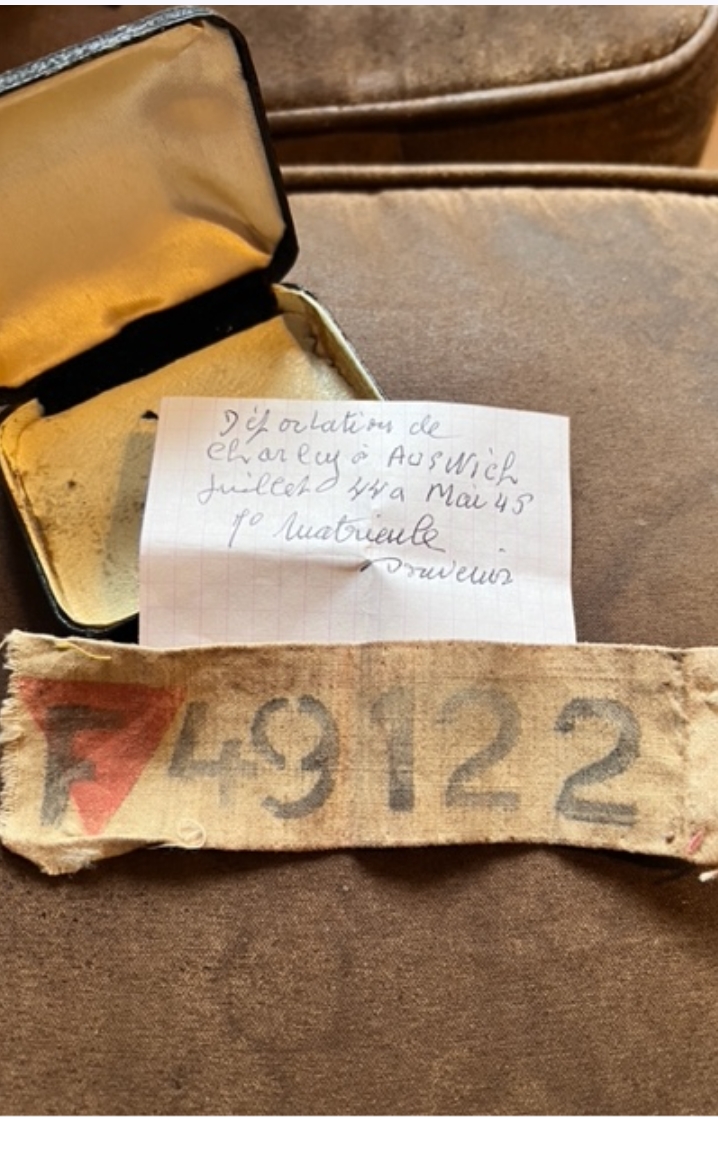
We can also state that the way he was later arrested says a lot on its own: according to people close to him, he was most likely arrested because of his resistance work, possibly after being denounced. A red triangle on the fragment of fabric bearing his deportee number, carefully kept by a close friend, confirms that he was classified as a political deportee — not only as a Jewish prisoner.
ARREST, INTERNMENT, AND DEPORTATION (1944)
Arrested by the Gestapo
Note: The sources do not agree on the date and place of his arrest: 10 July 1944 in Toulouse according to the Convoi 77 Association; 10 July 1944 in Paris according to the Army Personnel Directorate; 20 June 1944 according to a 1950 certificate from the Ministry of War Veterans. This is a real contradiction and worth noting. Hiam Henchis was arrested by the Gestapo in the summer of 1944, during a round-up. His arrest had two causes at once: he was Jewish, and he belonged to the Morlot network, most likely revealed by an informer. According to the testimony of Lucie Marques, his partner, he had already been stopped once before by inspectors who had noticed his false identity card, but they did not arrest him at that time.
Under repeated interrogation and torture, Hiam never revealed where the forged military papers came from, nor the identities of his contacts in the Morlot network. Handwritten notes from fellow prisoners at Drancy, carefully kept by close friends, describe the courage and dignity he showed throughout this ordeal.
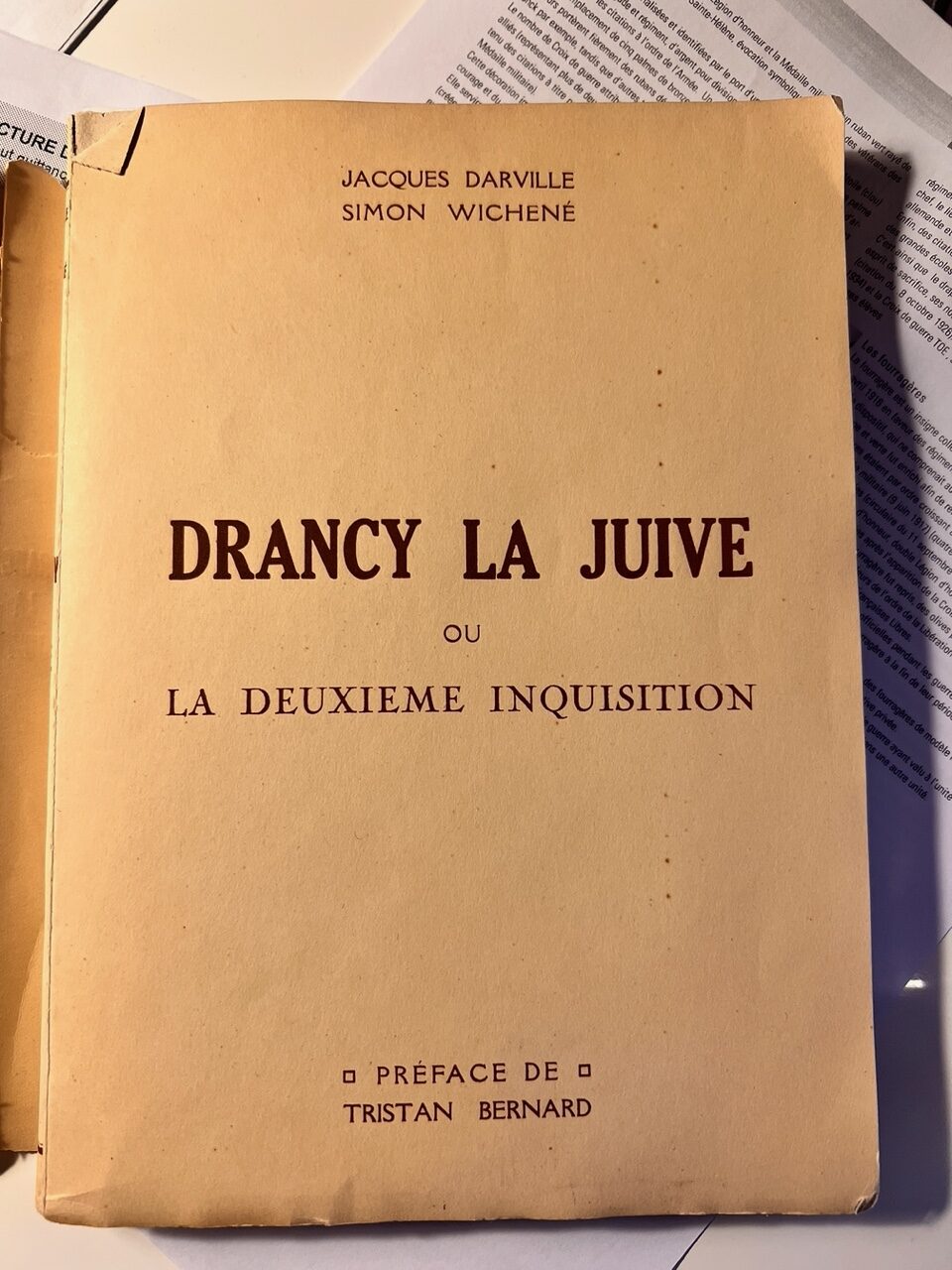
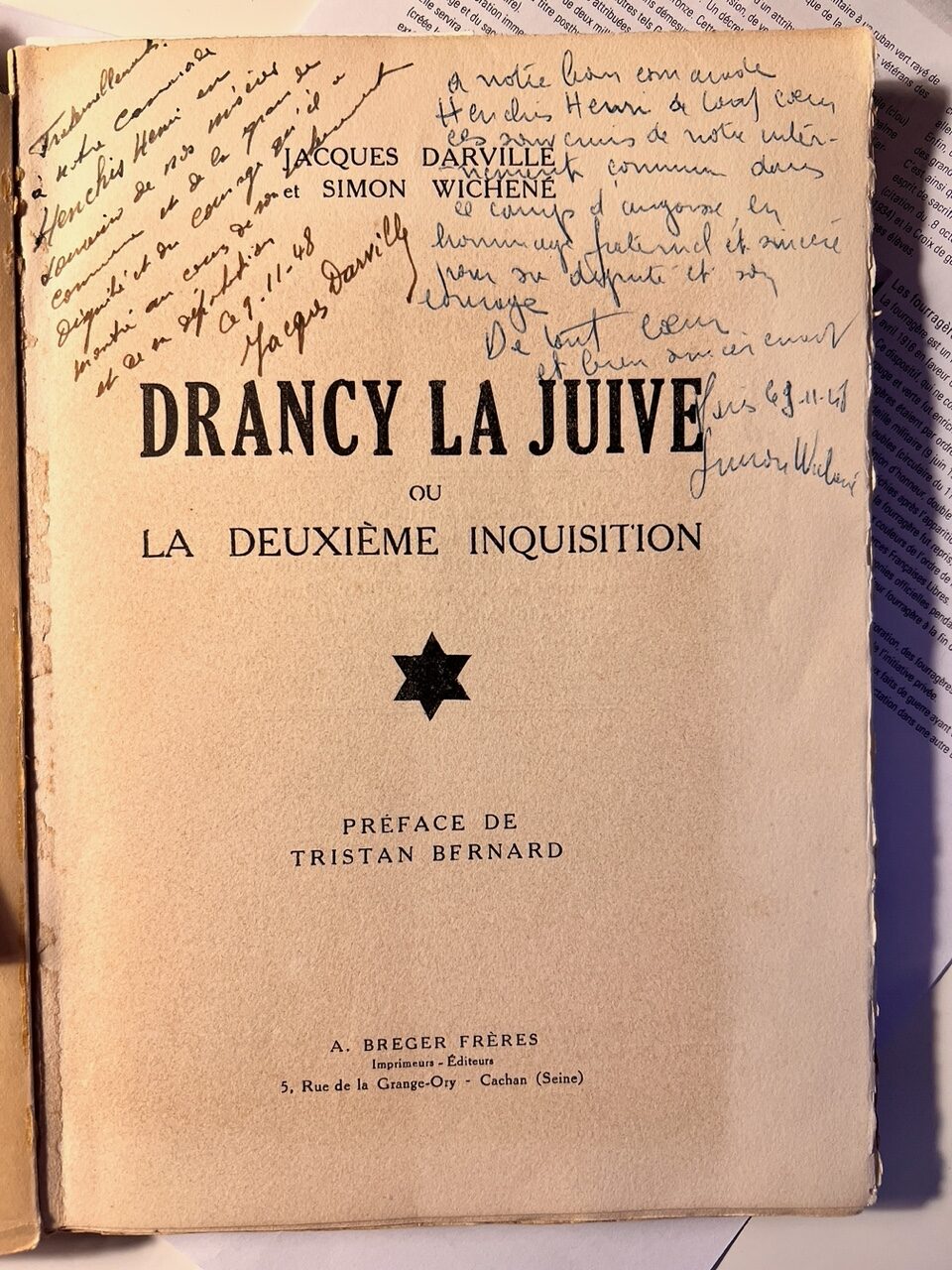
“Brotherly greetings to our comrade Henchis Henri, in memory of the suffering we shared, and of the great dignity and courage he showed during his internment and deportation. 9 November 1948.” — Jacques Darville
“To our good comrade Henchis Henri, with all our hearts, these memories of our time together in this camp of fear, with brotherly and sincere tribute to his dignity and courage. With all our hearts and sincerely. Paris, 9 November 1948.” — Simon Wichené
Internment at the Drancy camp
In July 1944, Hiam was interned at the Drancy camp, in Seine-Saint-Denis. The sources differ slightly on his arrival date: the 13th or the 15th of July, depending on the document, or the 15th according to the records of the Flossenbürg deportees’ association.
In July 1944, Drancy was commanded by Alois Brunner, an SS officer who had been a close member of the Nazi party since 1931 and of the SS since 1938. He ran the Drancy camp from July 1943 to August 1944. Under his command, around 24,000 Jews were deported from Drancy to the death camps — nearly a third of all Jews deported from France.
After the war, Brunner escaped justice and found refuge in Syria, where the regime protected him until his presumed death around 2010.
Even after the Allied landing in Normandy on 6 June 1944, and even as France was gradually being liberated, deportations continued.
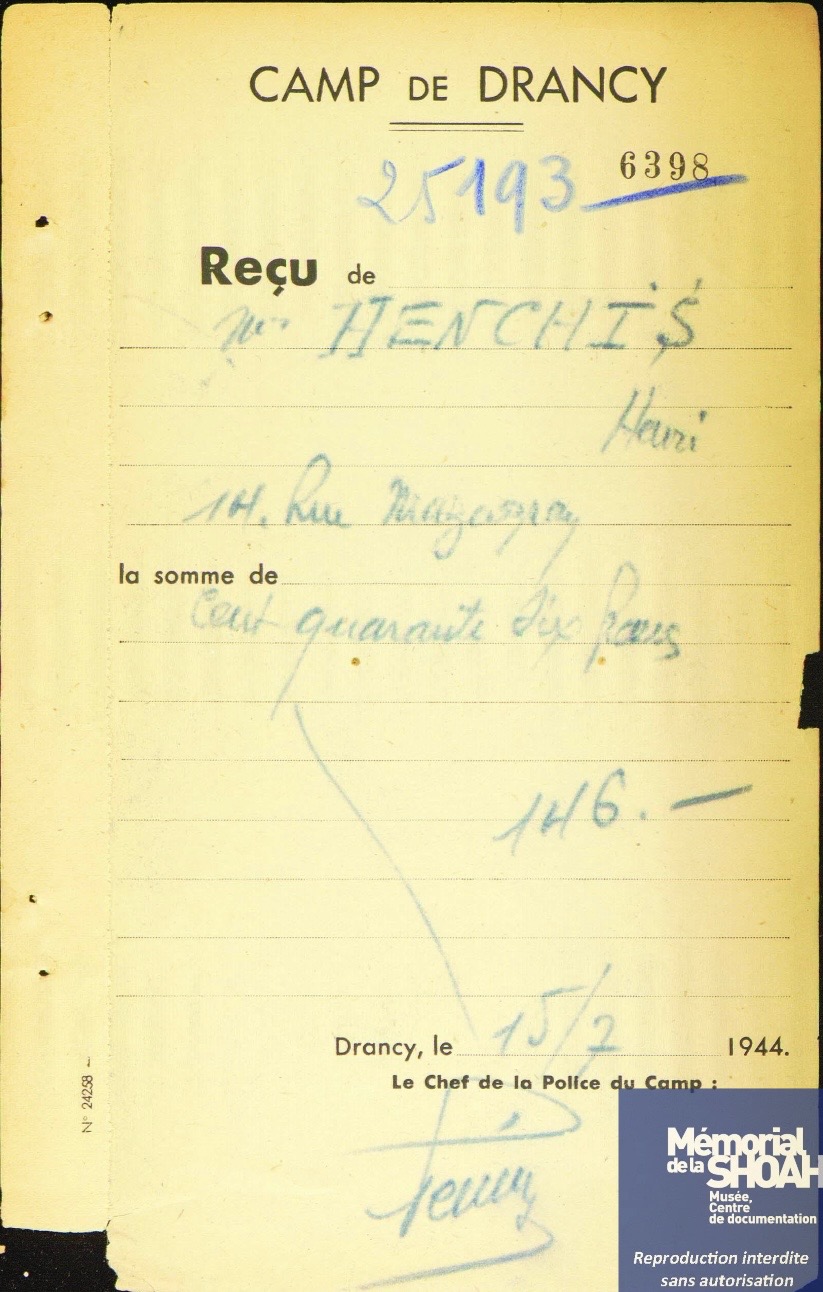 ©Mémorial de la Shoah
Convoi 77 – 31 July 1944
On 31 July 1944, Hiam Henchis was deported on Convoi 77, the last major transport to leave France from Drancy. This convoy carried 1,306 people, including more than 300 children, to Auschwitz-Birkenau, in Poland. Hiam was one of the few survivors. It was one of the last deportation convoys to leave France before Paris was liberated on 25 August 1944.
Through the camps
Hiam arrived at Auschwitz-Birkenau on 4 August 1944, where he was given a prisoner number (sources give a range between B3673 and B3963, depending on the document). He was then moved to the Gross-Rosen camp in the autumn of 1944, when Auschwitz was evacuated as Soviet troops advanced.
On 13 February 1945, he arrived at the Flossenbürg camp, where he was registered under the name Henchis Henryk, prisoner number 49122. On 10 March 1945, he was sent straight to the Ohrdruf sub-camp of Buchenwald, where he was given prisoner number 137357 (listed on 24 March 1945 under the name Henhis Henry).
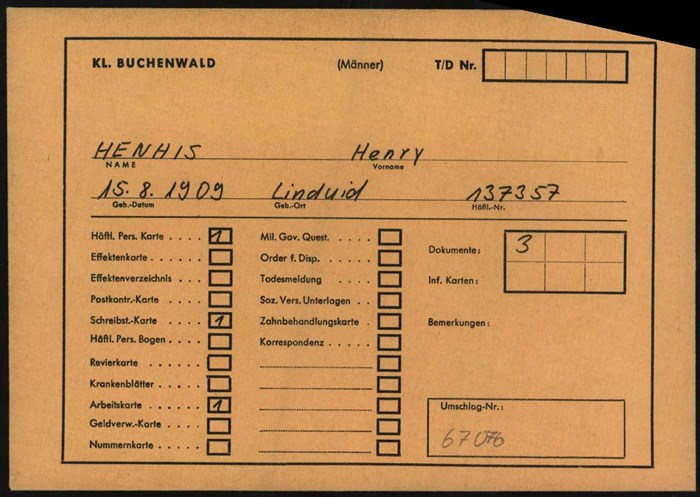
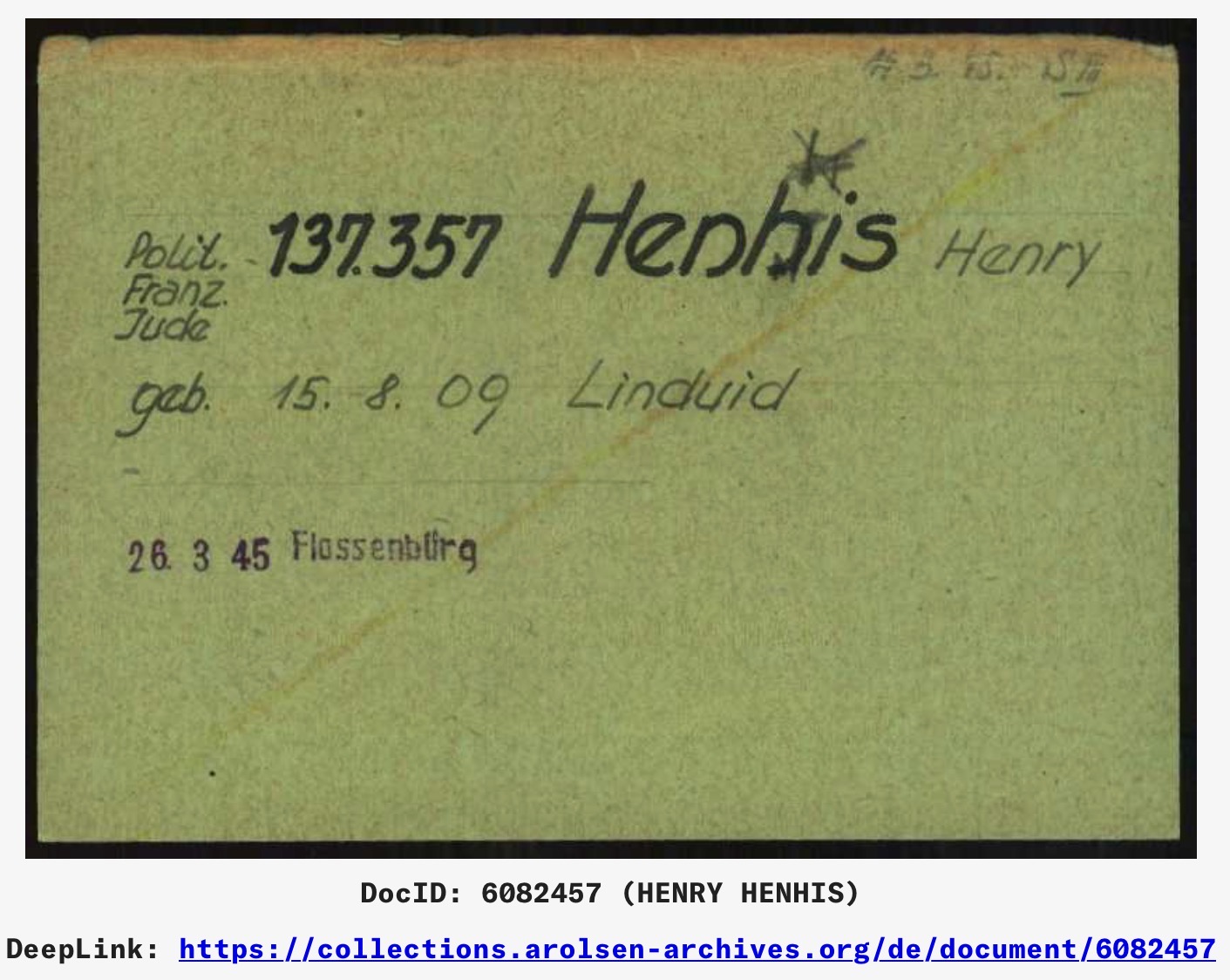
On 4 April 1945, American forces liberated the Ohrdruf camp. Hiam Henchis was alive.
A fragment of fabric bearing his prisoner number, with the red triangle still clearly visible, was carefully kept for decades by a lawyer who was a very close friend of Hiam. After this friend died in 2022, the small piece of cloth was passed on to his family. Today it is one of the few physical traces of Hiam’s time in the Nazi camps — an object with great symbolic weight (even though the family believed for a long time that this prisoner number came from Auschwitz, when it actually came from Flossenbürg).
RETURN TO FRANCE AND REBUILDING A LIFE (1945–1955)
Repatriation
Note: Sources give different repatriation dates: 1 or 2 May 1945 according to the Convoi 77 Association and the certificate from the Ministry of War Veterans; 12 May according to another document; 26 May 1945 according to the records of the Flossenbürg deportees’ association. This uncertainty should be noted.
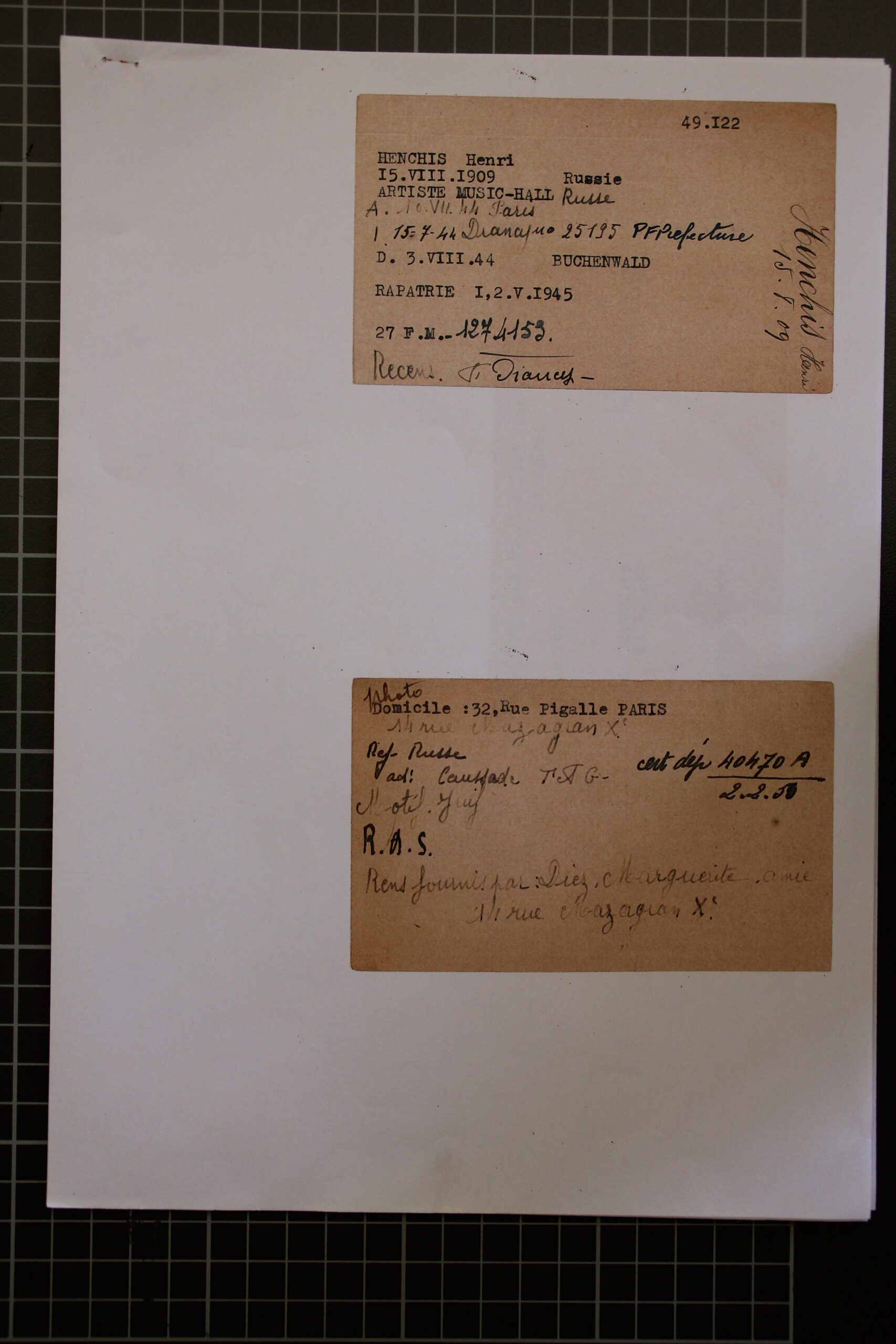
Hiam Henchis returned to France in the first weeks of May 1945, most likely on 26 May, according to the most precise source. The information gathered suggests he passed through the Hôtel Lutetia in Paris, which at the time served as a reception centre for returning deportees — an emotional place where thousands of families searched for survivors among the people coming back from the camps. His repatriation card carried the number 1,274,153.
Life with Lucie Marques
Back in Paris, Hiam returned to his old home at 14, rue de Mazagran (10th arrondissement). From 1 May 1945, he lived as a couple with Lucie Marguerite Marques, born on 16 January 1920 in Cahors, who ran a dry-cleaning business at the same address. Lucie had a daughter, Josette, born on 1 April 1940 in Cahors, from an earlier relationship. Hiam said he intended to marry Lucie as soon as he became a French citizen.
Their life together lasted until Lucie’s death in 1991. Their relationship was not free of legal trouble: in 1946, Hiam was fined 1,000 francs for living together outside of marriage, after Lucie’s former husband requested proof of her adultery. The former husband officially divorced her on 4 July 1947, and Hiam was later pardoned for the offence.
About the war and the camps, Hiam stayed completely silent. This silence was not indifference — it was a sign of pain that could not be put into words. He never spoke about it, not to Lucie, not to his friends. Only a few small, silent gestures sometimes hinted at his past: an arm held out, a tattooed number shown without saying a word.
The first attempt at French citizenship (1948–1954)
In 1948, Hiam filed his first application for French citizenship (file no. 26576X48). He also asked to change the spelling of his name to Henchet — a request that was refused, because officials decided that “Henchis” did not sound foreign enough to be a real obstacle to his integration. His application was finally rejected on 10 February 1954, because he was often away from French territory for his work.
Police reports from that time still recognised that he had always stayed strictly neutral in politics, and that no one had ever criticised his behaviour or his character.
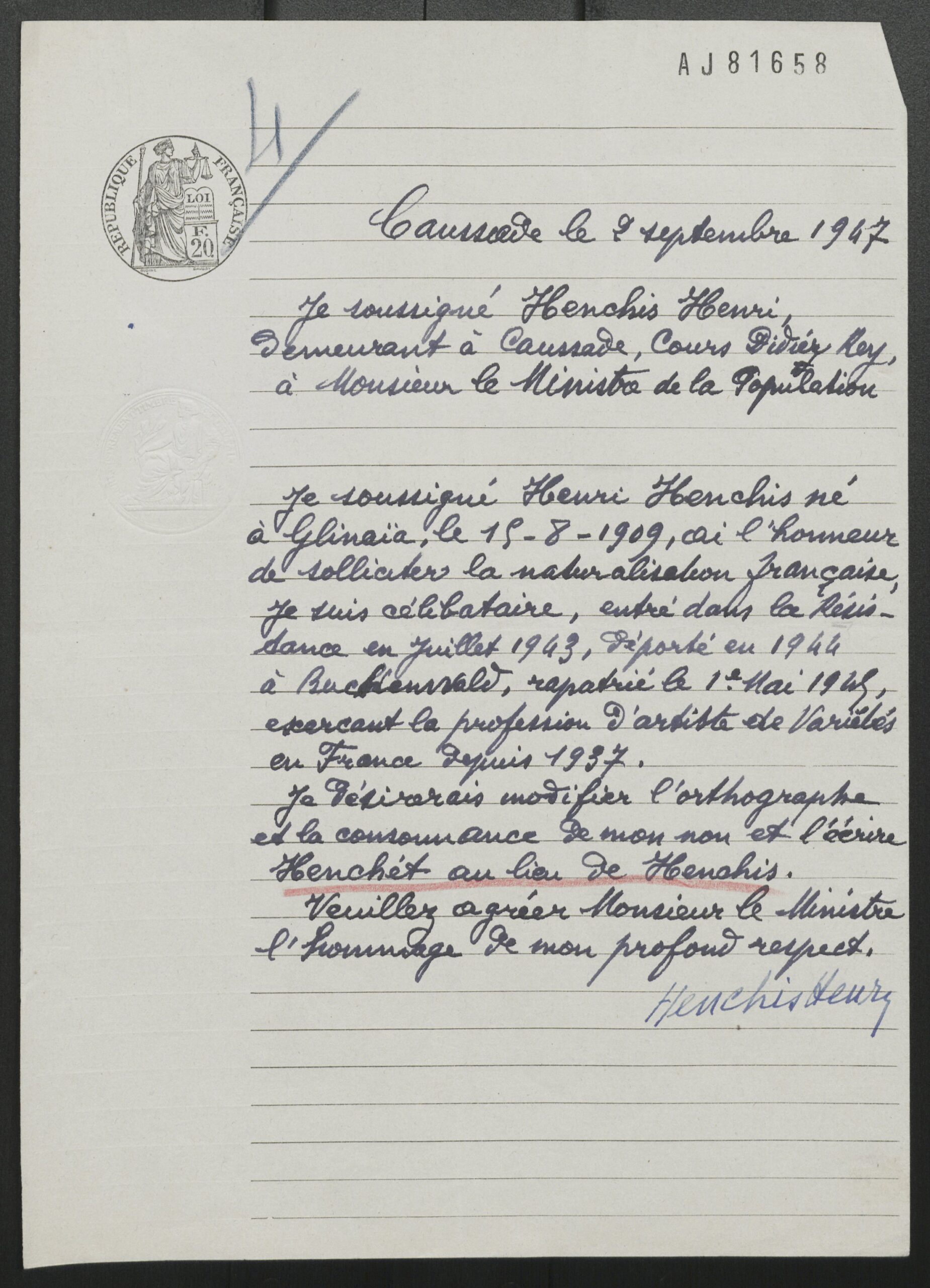
Note: Between 1951 and 1953, Hiam was accused of offering performers poorly paid jobs abroad without official approval from the prefecture. He was fined 500 francs in 1952. These accusations weighed on his citizenship file, although the investigations found that his actions had no purpose other than putting on shows.
AN INTERNATIONAL CAREER (1937–1975)
Training and early career
Hiam Henchis had no formal qualifications, but he trained with private teachers and learned his craft on the stages of Europe. He is described as a choreography teacher and a music instructor. Before the war, he had already worked at the Cirque d’Hiver and the Olympia in Paris, as well as in several Brussels theatres. His 1939 tour in Argentina with Josephine Baker shows that he already had a solid reputation in the entertainment world.
After the war —from teacher to producer
From 1955 to 1971, Hiam taught choreography in a studio on rue du Cardinal Mercier (Paris, 9th arrondissement). At the same time, he started producing shows abroad. Between 1949 and 1952, his productions were staged in Egypt (at the Pyramids), in Italy (the Puccini theatre in Milan and the Rupe Tarpea in Rome), in Lebanon (Casino Lido in Beirut), in Iraq (Casino Abdullah in Baghdad), and in Greece (the Papaioannou theatre in Athens).
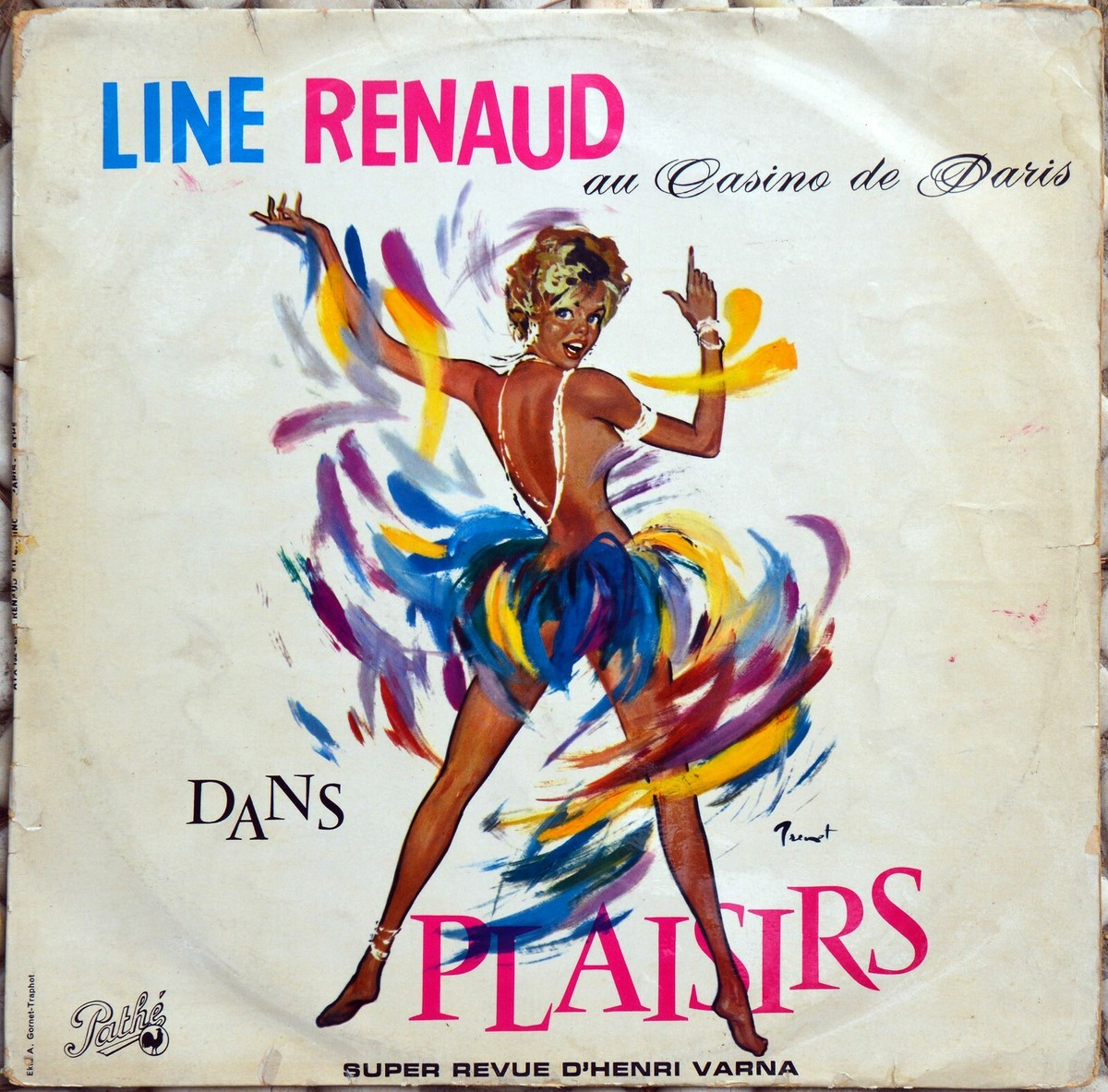
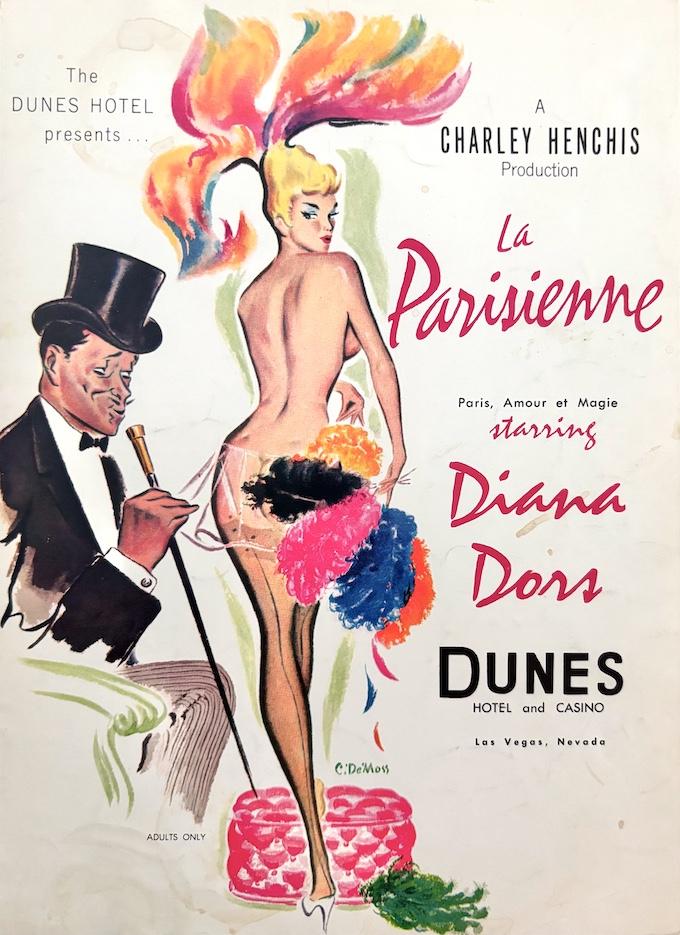
His touring show, called Ballet Revue Charley, was made up of two forty-five-minute parts: Paris 1900 and Paris Cocktail. Starting in December 1959, he took part in the revues of the Casino de Paris under the legendary Henri Varna, contributing to Plaisirs with Line Renaud and Frénésies with Mick Micheyl. He then produced shows at the Moulin Rouge and the Lido, and worked in Las Vegas, including alongside actress Diana Dors.
The Casino du Liban —the high point of his career
The high point of Hiam Henchis’s career was at the Casino du Liban, in Maameltein, near Jounieh, on the Lebanese coast. In the 1960s and 1970s, this was one of the most famous entertainment venues in the world, drawing a demanding international crowd.
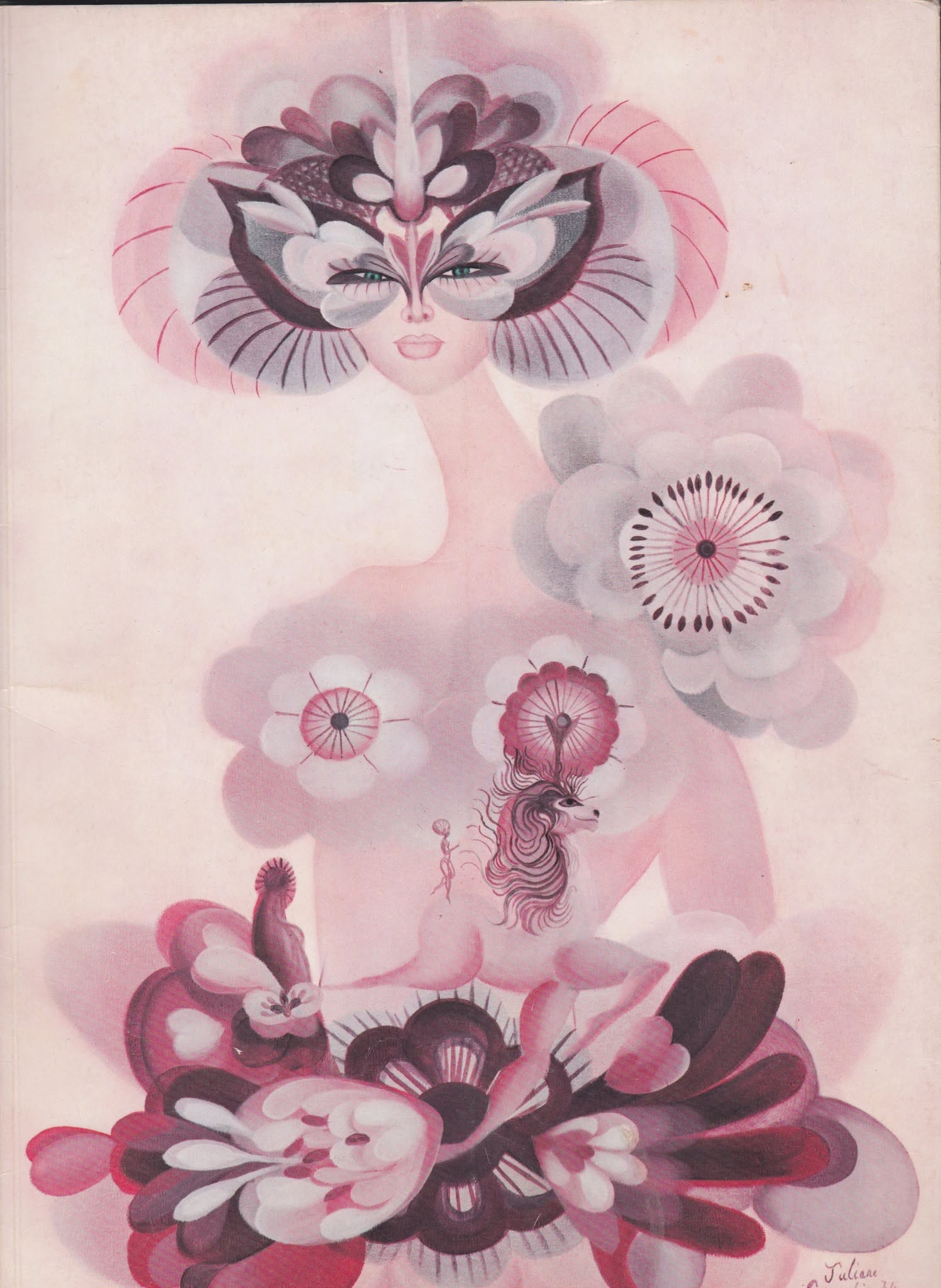
There, Hiam produced three huge shows. The first, Mais Oui, ran for three years and eight months, with 1,158 performances. It was followed by Hello! (1968–1973) and then Flash (from 1973). These productions used extraordinary artistic and technical resources. At the same time, the stage could hold seven horses with French stunt riders, motorcycles inside cages, an artificial ice rink, elephants walking along a runway through the audience, a tiger, astronauts riding in a vehicle, dolphins flown in from Florida, Egyptian dervishes, and Russian Cossacks — ending, as a grand finale, with artificial rain falling over the front of the stage after a volcano erupted and a waterfall appeared. He worked with well-known composers, including Michel Legrand.
The theatre itself was built for these spectacular effects: a runway ran from the stage out into the middle of the room, used by performers on horseback, by astronauts, and by dancers to mix with the audience seated at their tables. Hiam’s creativity seemed to have no limits — the space could transform itself, fill with water, turn to ice, or fill with wild animals. Everyone who worked there agreed: it was the best show in the world.
Peter J. Venison, in his memoir about the international hotel industry, describes the Casino du Liban as elegant, with a cabaret that could rival anything Las Vegas had to offer. Lebanese fashion publications mention Hiam, under the name Charlie Henchis, as one of the great producers who helped make Lebanon “the Paris of the East.” In 1974, he produced La Revue du Liban at the Casino du Liban and was preparing a new show for Las Vegas.
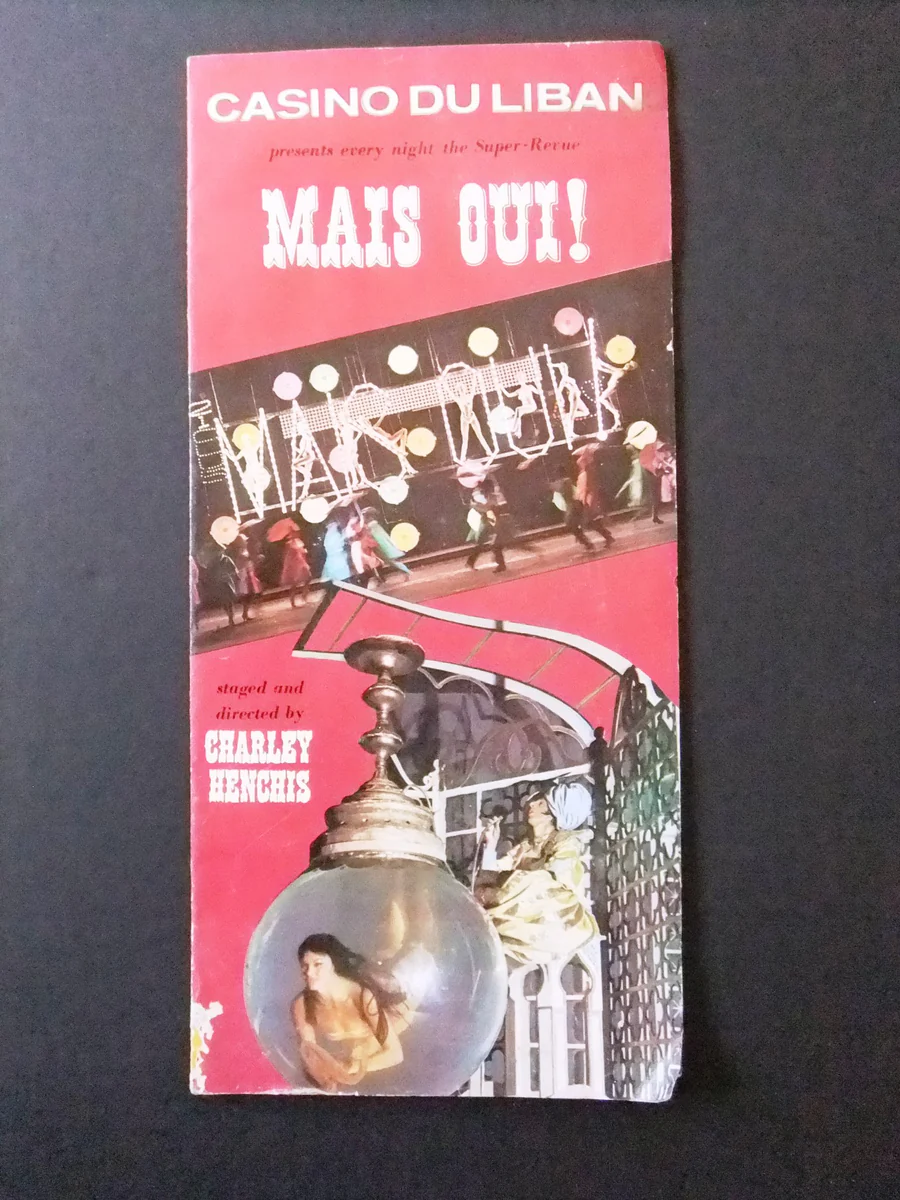
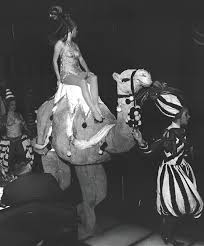
Mais Oui, 1965
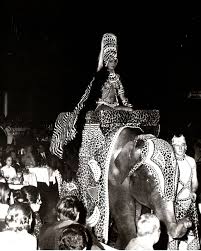
Hello, 1968 / Flash, 1973
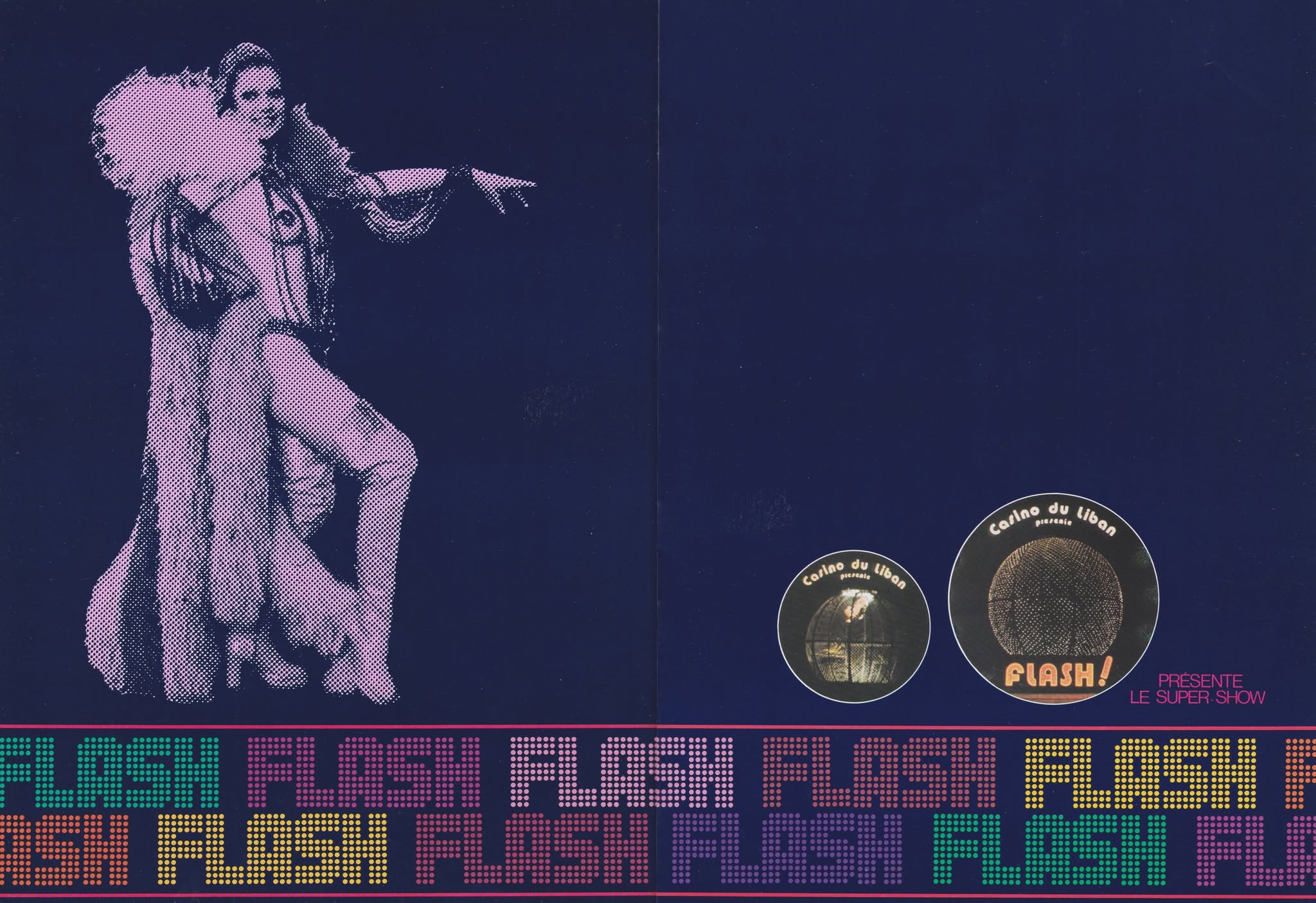
Flash, 1973
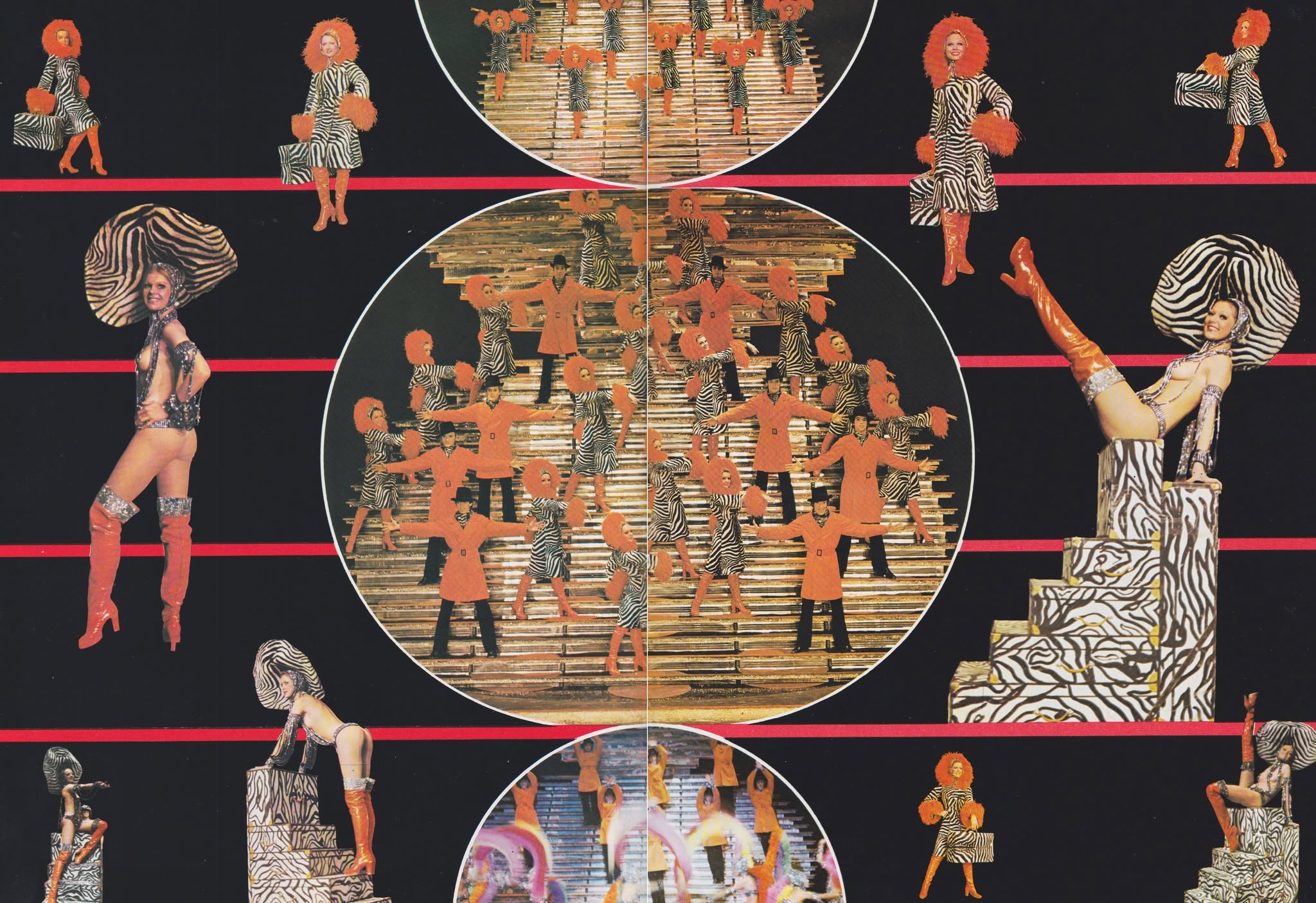
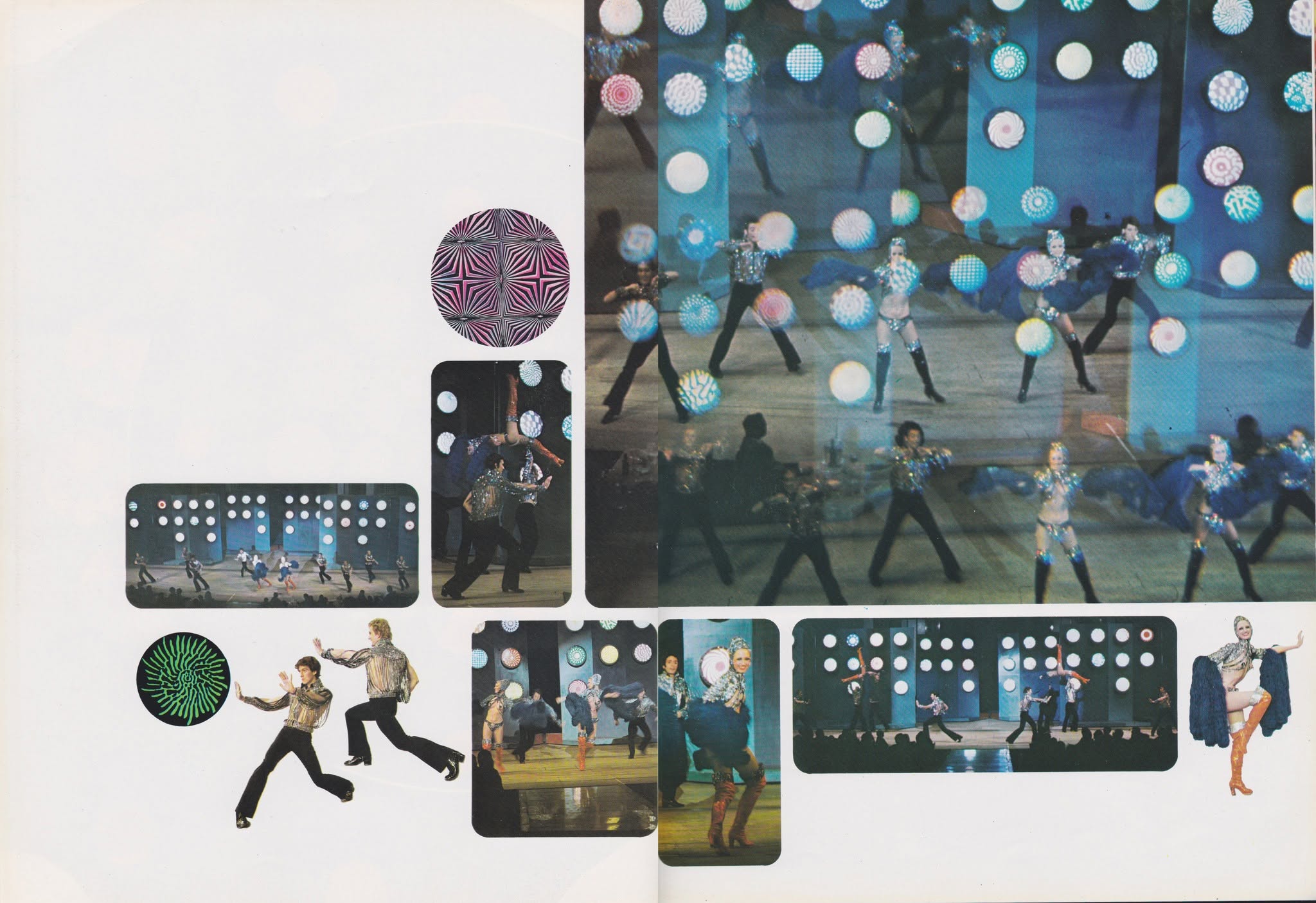
Flash, 1973
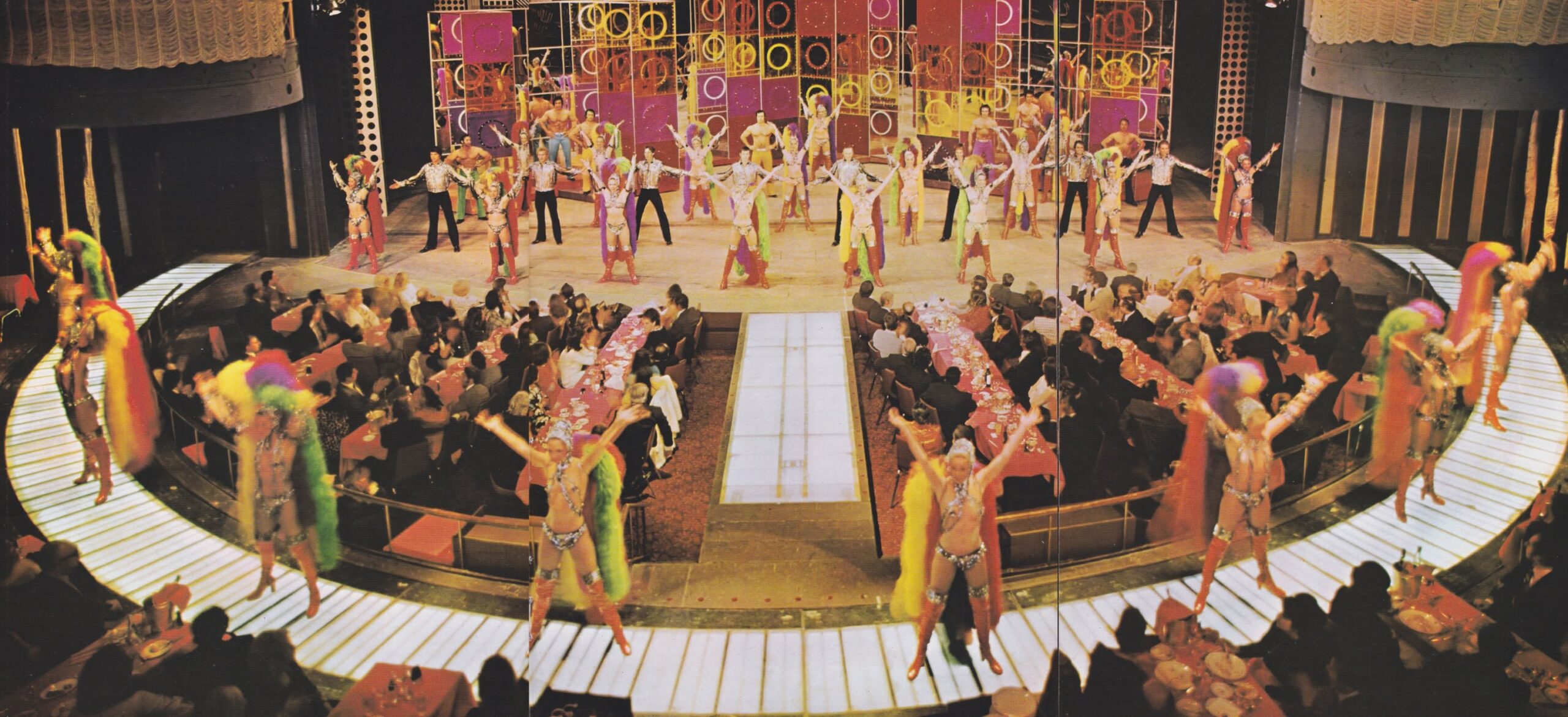
Flash, 1973
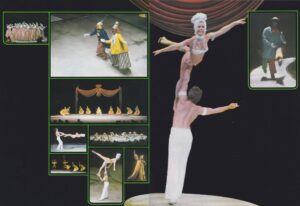
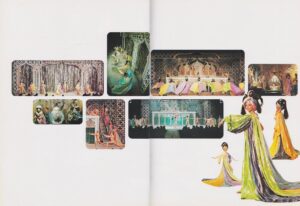
Flash, 1973

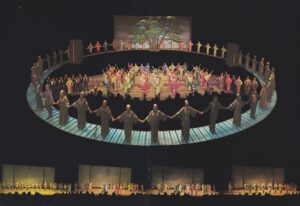
Flash, 1973
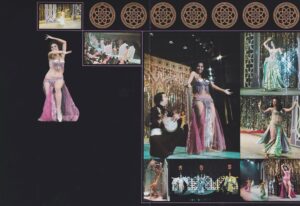

Flash, 1973
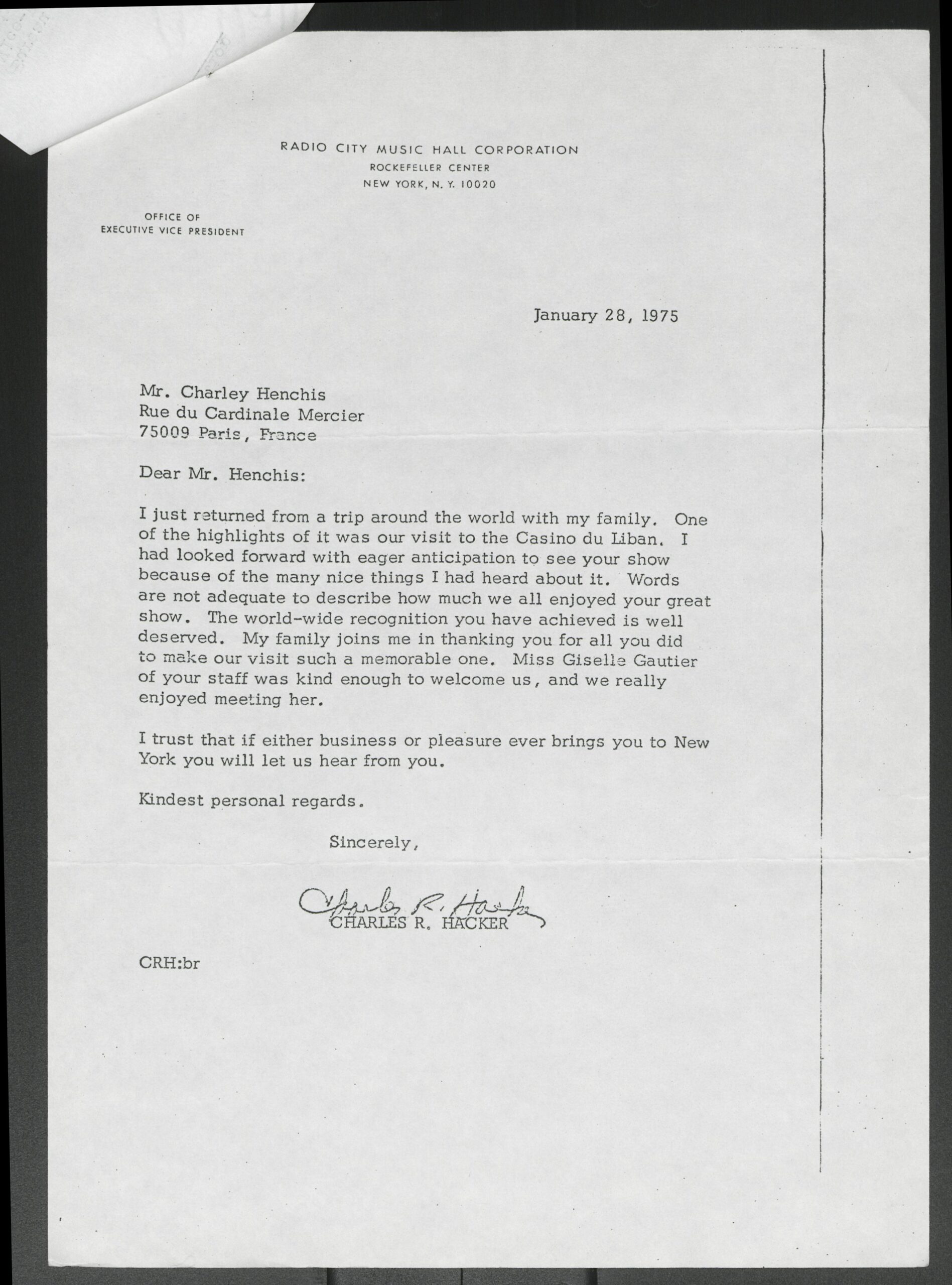
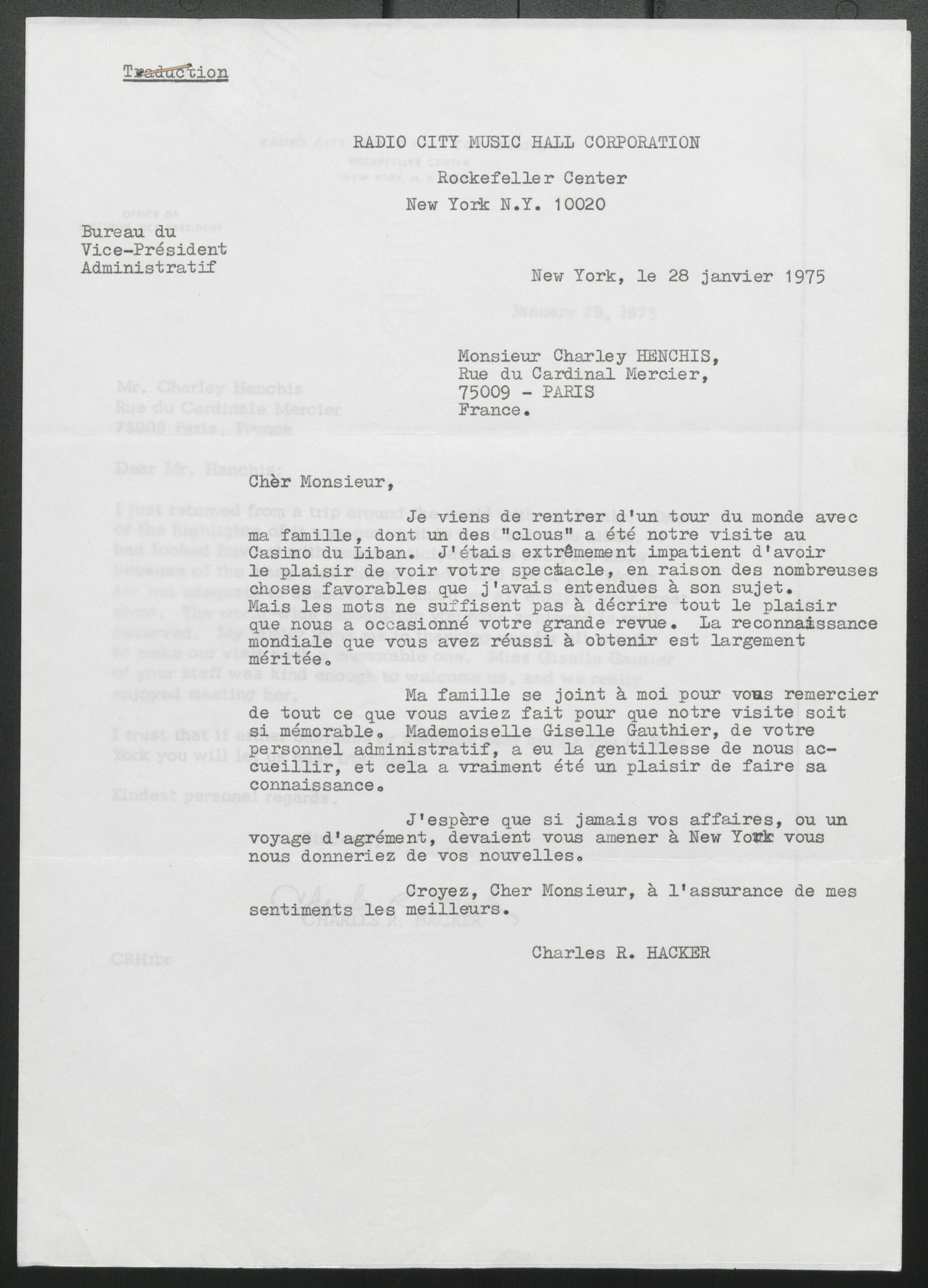
Memories from the performers: portraits of Charlie Henchis
The memory of Charlie Henchis is still alive today through the many performers who worked alongside him over the decades. Their accounts agree on the essentials: he was a man of genius, demanding and private, whose shows were never matched.
Judith Benson, British dancer

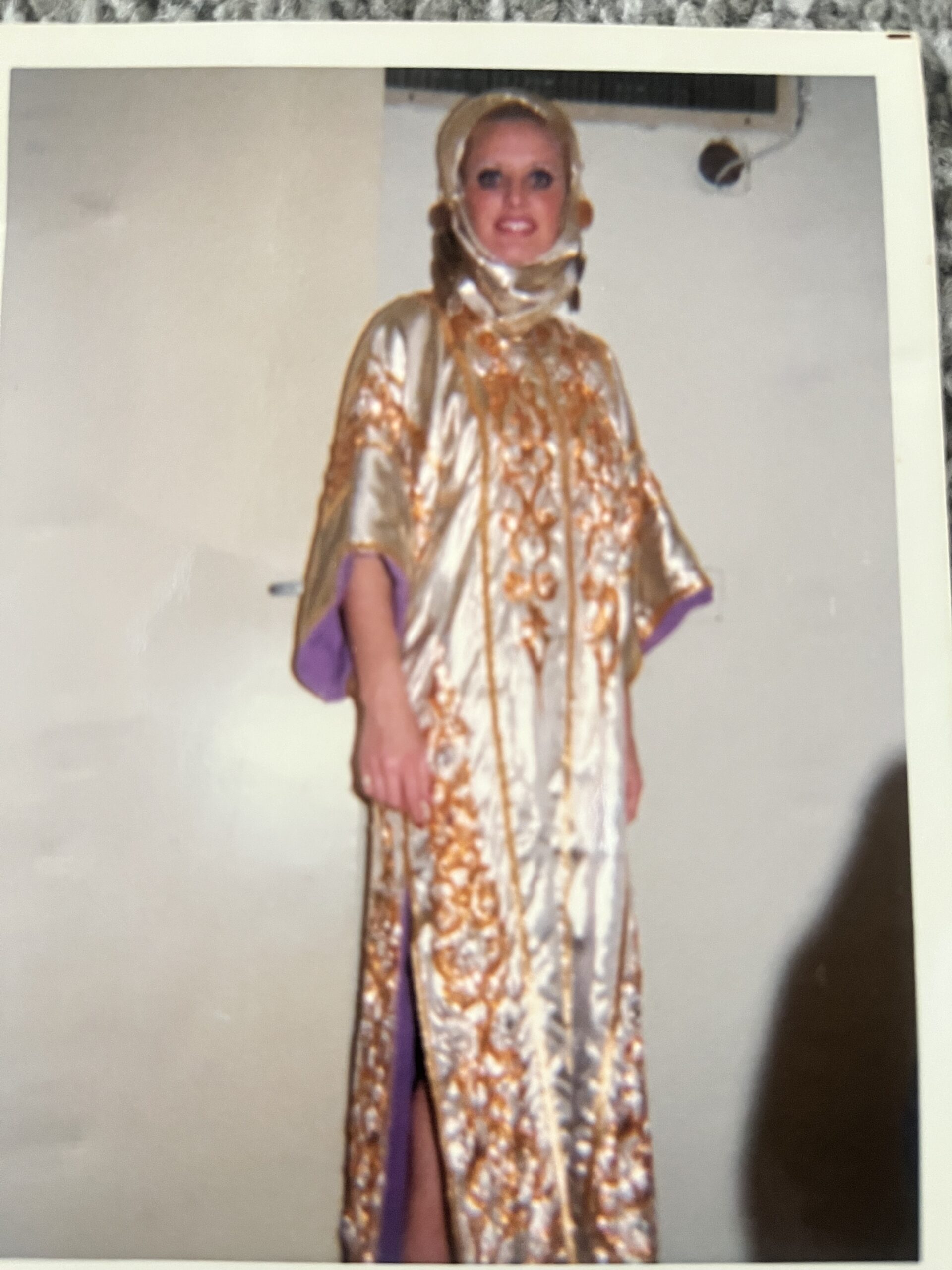
Judith Benson, now 80 years old, spoke with us at length by phone. She worked alongside Charlie Henchis for six years and describes him as intelligent, brilliant, and passionate about his work, but also as a solitary man, reserved and rather shy — except when he was showing off dance steps. He was a demanding boss: the dancers were afraid of him, but he respected those who knew how to stand up for themselves. Even so, he liked company, and sometimes took Judith to the cinema to watch westerns, or out to dinner. One day, without saying a word, he showed her the tattooed number on his forearm.
“I was honoured to have known the man and worked for him.” — Judith Benson
Judith also remembers Charlie with warmth and humour. Once, standing behind her in the dressing room, he asked her, “Why do you open your mouth when you put on your mascara?” — something she has never forgotten. He was romantically interested in Judith early in their time together in Beirut, but she always refused to mix work and personal life. He fired her twice — and hired her back both times, because he needed her.
Sandra Jones Payne, Bluebell Girls dancer
In 1969, Sandra Jones Payne went to Beirut on holiday to visit her friend Lindy Foster, a dancer at the Casino du Liban in the show Hello! Lindy told her that Charlie Henchis was looking for dancers to fill an open spot. Sandra joined the troupe right away.
« Charley himself supervised my rehearsals. He was a delight and reminded me of Einstein in appearance. » — Sandra Jones Payne
She remembers the rehearsals Charlie led himself, and the international atmosphere of the troupe — she even rehearsed in Polish with a dancer who did not speak a word of English, and she still remembers counting in Polish sixty years later. The show had a full orchestra, elephants walking through the audience on the runway, horses with French stunt riders, and motorcycles in cages. She noticed that Charlie seemed to hire a lot of Polish performers, maybe because of his own Eastern European background.
« I have still not seen a show as brilliant as Charley’s. He is a legend. » — Sandra Jones Payne
Sandra would gladly have come back for the next show, but the Lebanese civil war ended her plans in 1975.
Carrie Richardson, Australian figure skater
Carrie Richardson and her partner Joop made up the figure-skating duo at the Casino du Liban. They performed on an artificial ice rink built into the stage, which then turned into a pool of water for the acts that followed. For Carrie, the Casino du Liban was simply the best show in the world — better than the Lido in Paris, better than Las Vegas.
« When Joop and I watched the dress rehearsal before opening night, our mouths fell open in amazement. Truly spectacular. » — Carrie Richardson
She describes in detail the remarkable machinery of the theatre: the runway reaching out to the audience’s tables, used by astronauts in their vehicle and by elephants during the African number, as well as by the dancers; the roof that opened backstage to lower the ice rink into place; the pool that filled with water and carried a boat during the African number; the volcano that erupted, the waterfall, and finally the artificial rain that fell over the stage — building to a remarkable finish.
Carrie still has two programmes from the show. Her view of Charlie’s personality is more mixed: when their one-year contract ended and they wanted to go back to Holland, where Joop’s mother was ill, Charlie refused to give them an exit visa. He wanted to keep them until he found another skating act. Things got so tense that they had to hire a lawyer to win back their freedom.
« Above all Charlie was a genius. To conceive and produce a show such as at the Casino, how unique and brilliant. » — Carrie Richardson
An Australian dancer and friend of Carrie’s, who also worked at the Casino, gave a very different picture: Charlie was always pleasant during rehearsals, had real conversations with him, and even visited him in hospital during a short stay. Hiam Henchis, it seems, had more than one side to him — demanding and sometimes unbending with those closest to him, but caring toward those who showed him loyalty.
Betty Herbert, dancer
Betty Herbert was one of the dancers who worked for Charlie Henchis and helped build the international reputation of his shows. Her account fits this shared portrait of a man who inspired both admiration and a certain amount of fear, but whose creative genius everyone recognised, without exception.
IDENTITY, MANY NAMES, AND CITIZENSHIP
A question of names
Throughout his life, Hiam Henchis used several different first names, reflecting his many identities and how he adapted to different countries and situations. Hiam, or Haïm, is his original Hebrew first name. Henri is the name he used in French official documents. Henryk appears in the concentration camp records. Charley, Charlie, or Charles is the name he used for his artistic career. The first name Euthime also appears on a certificate from the Russian Orthodox Church. In 1974, he officially asked for the words “known as Charley Henchis” to appear on his civil status papers — a request that was always turned down.
This multitude of names was not just an administrative detail: it reflects, in a deep way, his path as a stateless refugee from Russia, forced to adapt to every country, every language, every situation he found himself in. It shows both a talent for survival and a personality that could change like a chameleon’s.
French citizenship (1975)
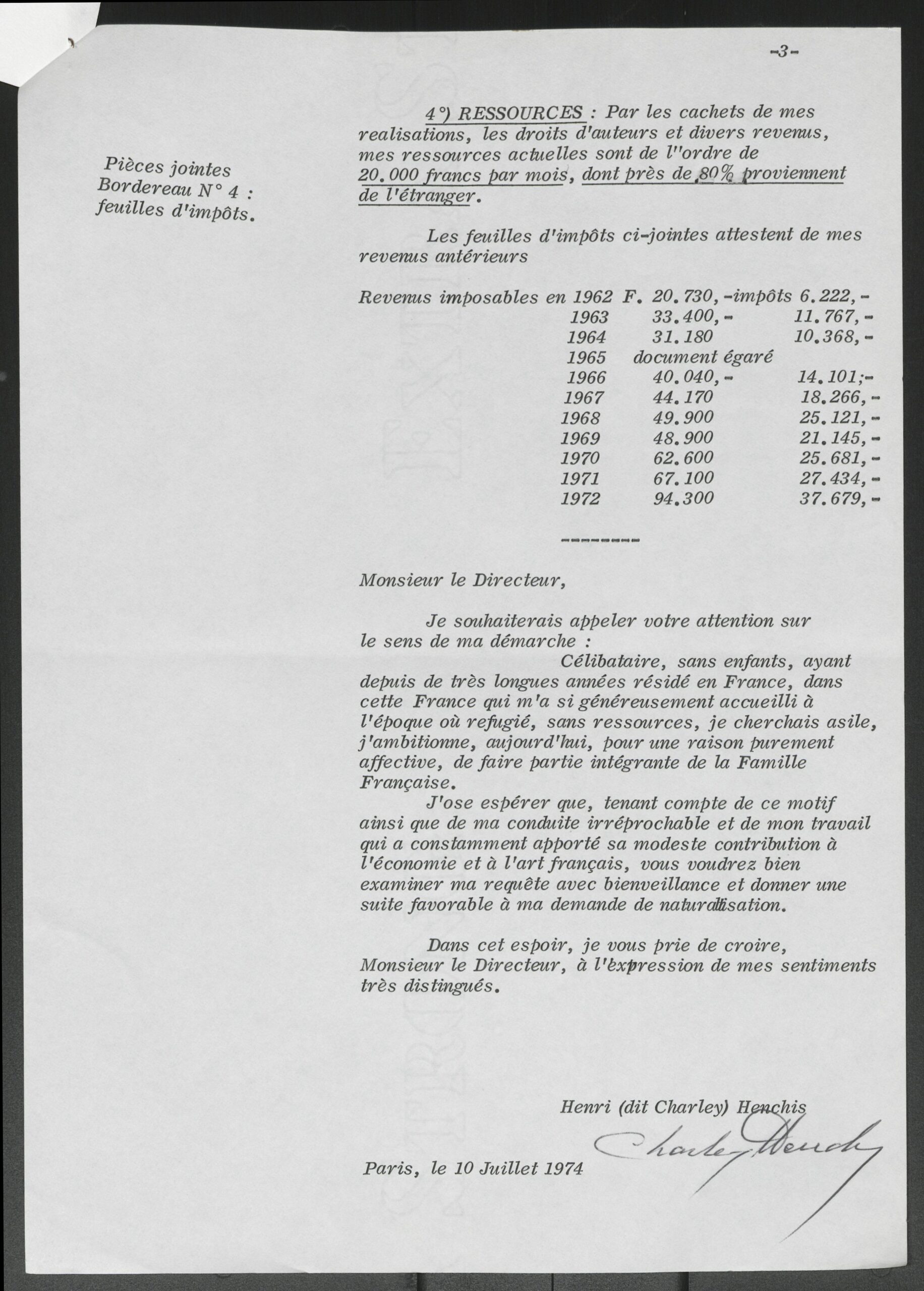
After his first application was rejected in 1954, Hiam filed a second request for French citizenship in 1974 (file no. 2989X75). At the time, he was living at 11, rue du Cardinal Mercier (Paris, 9th arrondissement), before moving in March 1975 to 12, avenue Montaigne (Paris, 8th arrondissement). He held an OFPRA card (the French office for the protection of refugees and stateless people), numbered 124,644-01/1710.
In June 1975, after more than thirty-five years in France, Hiam Henchis finally became a French citizen, under the name Henri Henchis. In his application, he spoke with real feeling about how attached he was to his adopted country: he hoped, for purely personal reasons, to become “an integral part of the French family.”
Personal life and the question of children
On his official papers, Hiam is listed as single, with no children. Yet he shared his life for many years with Lucie Marguerite Marques, who died in 1991 and was buried in Pradines, in the Lot. He also had relationships with several other women over the years — an Australian, a British woman, a Polish woman — some of whom were from his troupes.
Note: A German dancer, Sharon Fischer, says she had a daughter with Hiam Henchis. According to the accounts gathered, Hiam is said to have refused at first to recognise the child, until DNA tests proved he was the father. He is said to have always wanted a son, and to have only recognised the child because he was pressured into it. Sharon Fischer and her daughter, now in her fifties, are said to live in Titisee-Neustadt, in the Black Forest (Germany). This information still needs to be confirmed through further research, since every attempt to find them has failed so far.
THE FINAL YEARS AND THE MYSTERY OF HIS GRAVE
The final years
After becoming a citizen in 1975, Hiam lived at 12, avenue Montaigne, and then on rue Marbeuf, in the 8th arrondissement of Paris — one of the most elegant parts of the city, just steps from the Champs-Élysées. This choice of home, at the end of his life, says a lot about the journey he had made: from a stateless refugee from a remote corner of Bessarabia, Hiam Henchis had become a wealthy and respected man, known throughout the world of international entertainment.
Hiam Henchis died on 12 July 1994 in Paris, in the 8th arrondissement, according to INSEE records. He was 84 years old. His funeral was held at Saint-Alexander-Nevsky Cathedral, the Russian Orthodox cathedral at 12, rue Daru (Paris, 8th arrondissement) — confirming that he belonged to the Orthodox Church.
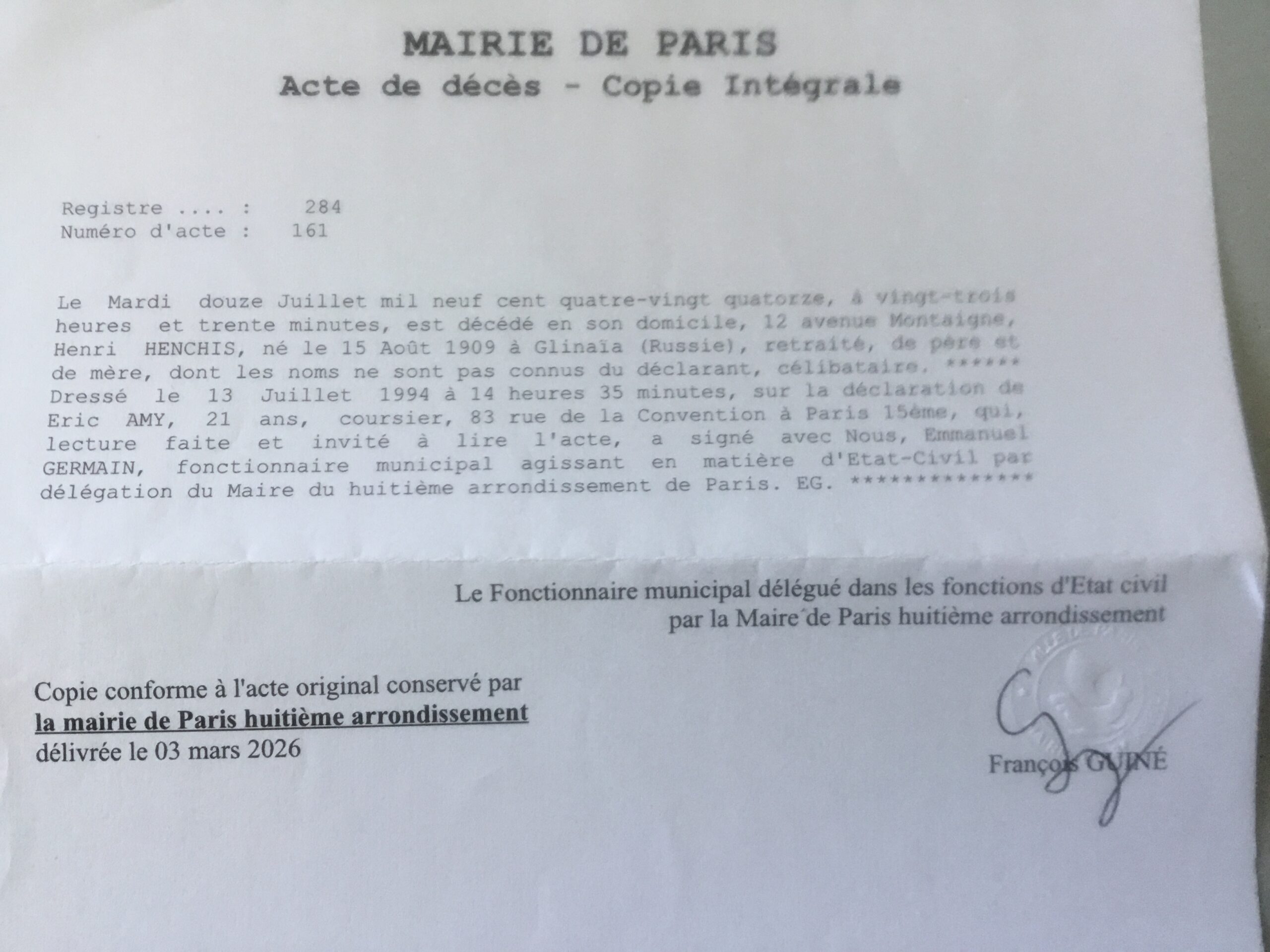
The mystery of where he is buried
Note: Two different stories exist about where Hiam is buried. According to close friends, and in keeping with his wishes, his body was supposedly moved to Pradines (Lot), to rest beside Lucie Marques. The town hall of Pradines confirms there is a grave under the name Marques-Henchis in the communal cemetery, but its records only show Mrs Marques’s name. Judith Benson, on the other hand, says with certainty that he is buried in the Montmartre cemetery in Paris — where she says she went to visit his grave twice, finding only a wooden board and a plaque mentioning his resistance record, before it was later renovated.
This mystery about his grave may not be a small detail. It seems to carry on a lifelong pattern of secrecy, multiple identities, and a refusal to be defined by just one place or one story. Hiam Henchis crossed Europe in secret as a child, fought as a resistant while wearing an enemy uniform, and survived Auschwitz without ever talking about it. Today, he rests in a place that is still not entirely certain — as if, even in death, he wanted to keep part of himself hidden.

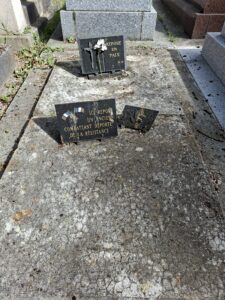
Grave Pradines / Grave Montmartre
A LIFE RECLAIMED
The life of Hiam Henchis touches on the great tragedies and the great changes of twentieth-century Europe: antisemitism and pogroms, exile, war, the Resistance, deportation, and finally rebirth. It is a story of extraordinary resilience: after surviving the Nazi death camps, Hiam rebuilt not just a life, but a dazzling international career, carrying French-style entertainment all the way to the stages of the Middle East and Las Vegas.
The performers who worked with him all agree: Charlie Henchis was a genius. His shows at the Casino du Liban, with their elephants, waterfalls, artificial rain, and full orchestras, were never matched. He was a man bursting with ideas, as shown by his unrealised dream of buying the Windmill Theatre in London’s West End after the war. He was a visionary who knew how to turn a theatre into an entire world.
A man with many faces — Hiam, Henri, Henryk, Charlie, Charley — he knew how to adapt to every era, every country, every situation, all while jealously guarding a private part of himself. He almost never spoke about the war or the camps. But the red triangle sewn onto a fragment of fabric, kept for decades by his lawyer friend, says everything he chose not to say.
His is the story of a man who lived several lives in one, and who deserves to be remembered.
SOURCES AND REFERENCES
Official and administrative sources
- Citizenship files no. 26576X48 (1948, rejected in 1954) and no. 2989X75 (1974, citizenship granted in 1975), National Archives, accessed with special permission.
- Certificate from the Ministry of War Veterans, 2 February 1950.
- Documents from the Paris Police Prefecture (1948–1975).
- SDECE document, 3 September 1952.
- General Staff document, signed by General Lehr.
- Notarial statement of acknowledgement (acte de notoriété), Caussade, 29 August 1947.
- INSEE records: death on 12 July 1994, Paris, 8th arrondissement.
Sources on the concentration camps
- Buchenwald camp list, 24 March 1945 (prisoner number 137357).
- Flossenbürg camp list (prisoner number 49122, arrival 13 February 1945, departure 10 March 1945).
- Bad Arolsen Archives (International Tracing Service, ITS).
- CDJC records (Centre de Documentation Juive Contemporaine).
- Records from the Association of Deportees and Families of the Missing of the Flossenbürg concentration camp and its sub-camps (M. Pequeriau).
Sources on the Resistance
- Statement by Lieutenant Fernand, Morlot network, Toulouse, 29 August 1947.
- Repatriation document no. 1,274,153.
- Handwritten notes from fellow prisoners at Drancy, kept by the family of a close friend.
Sources on his artistic career
- Letter from Charles R. Hacker, Radio City Music Hall Corporation, New York.
- Lebanese Fashion History publications / Casino du Liban.
- Venison, Peter J., Shadow of the Sun: Travels and Adventures in the World of Hotels.
Testimonies
- Testimony of the family of a lawyer friend close to Hiam (interview conducted as part of the project; the family asked not to be named in the biography).
- Testimony of Judith Benson, British dancer (phone interviews and email exchanges).
- Testimony of Sandra Jones Payne, dancer (written exchanges).
- Testimony of Carrie Richardson, Australian figure skater (written exchanges, Casino du Liban programmes).
- Testimony of Betty Herbert, dancer (phone interviews).
- Information from M. Pequeriau, Association of Deportees and Families of the Missing of the Flossenbürg camp.
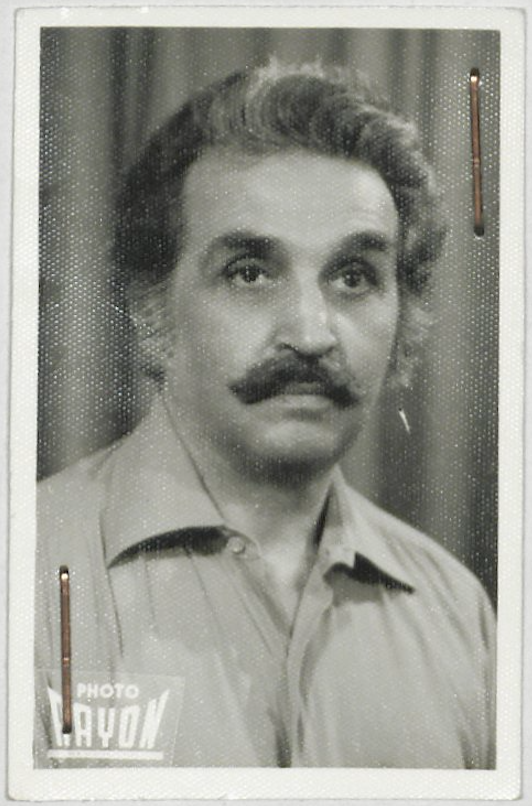
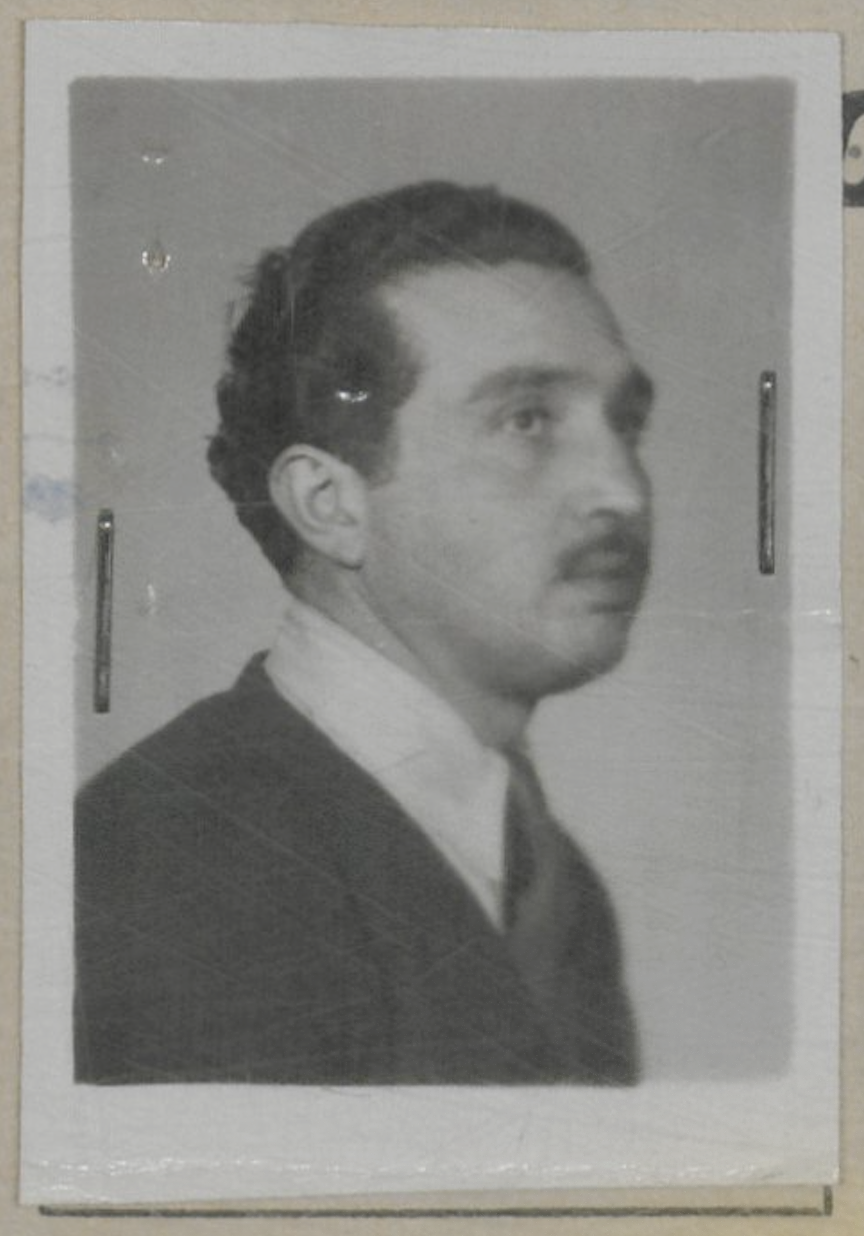






Hello. My name is Sacha Houcke and I was one of the riders in the show Flash And ex husband of Judith Benson. I always had difficulties with Charly because he was jealous of my relationship with Judith.