Français
 Polski
Eighty years after the fall of the Third Reich, and despite countless historical studies on the subject, Holocaust denial has not disappeared. On the contrary, it is thriving and gaining momentum, fueled both by the rise of far-right ideologies and the proliferation of channels for disinformation. Yet, the denial of the genocide committed by the Nazis poisons our societies—just as antisemitism, which feeds it, does. But how can we fight against this?
“Fighting deniers online is extremely difficult work,” acknowledges historian Igor Bartosik, “because those who deny the Holocaust ignore all available facts and endlessly repeat the same lies. Their goal is not the search for truth, but the desecration of the memory of the victims”.
Countering lies with facts
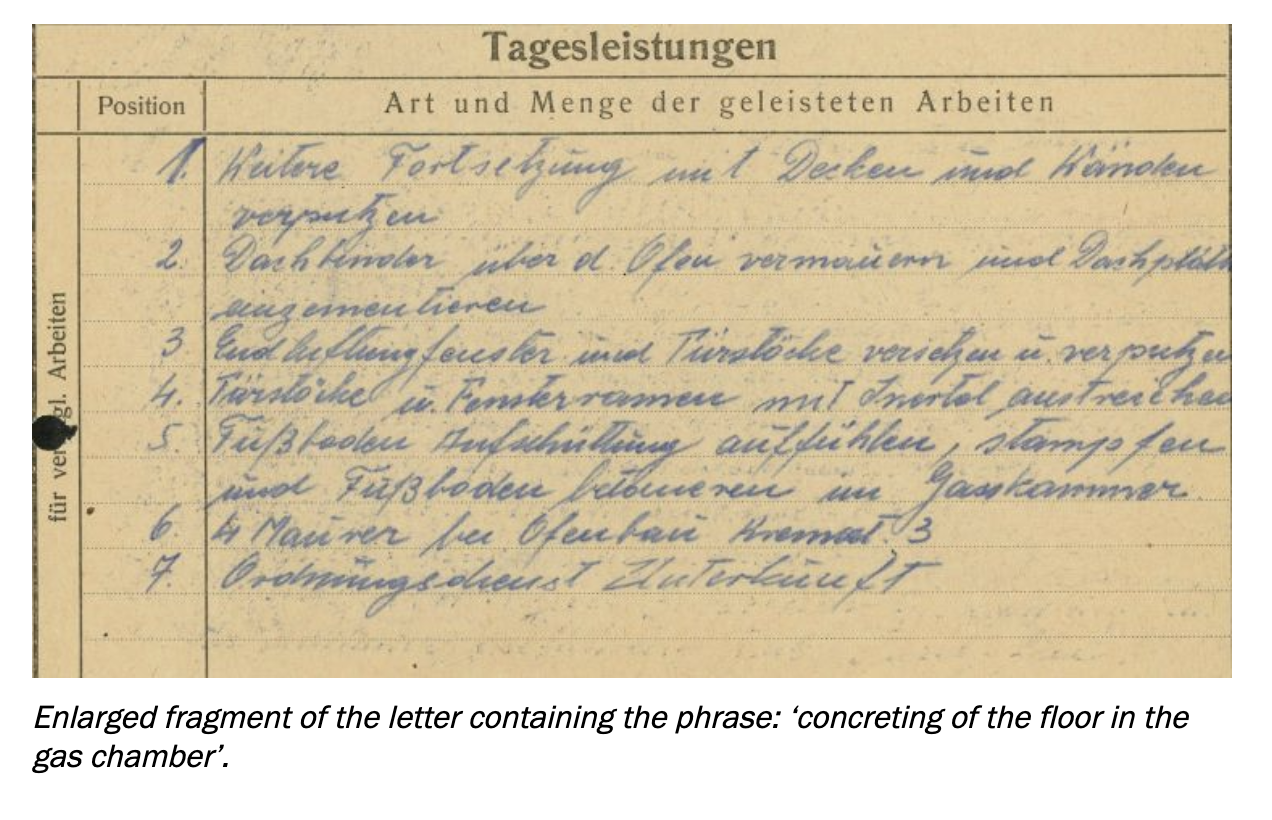
Based on the work of Dr. Bartosik, the Auschwitz Memorial Museum has launched an online platform designed to help combat Holocaust deniers. Named “stop denial”, it contains point-by-point answers to each of the most widespread false claims in denialist discourse.
These include:
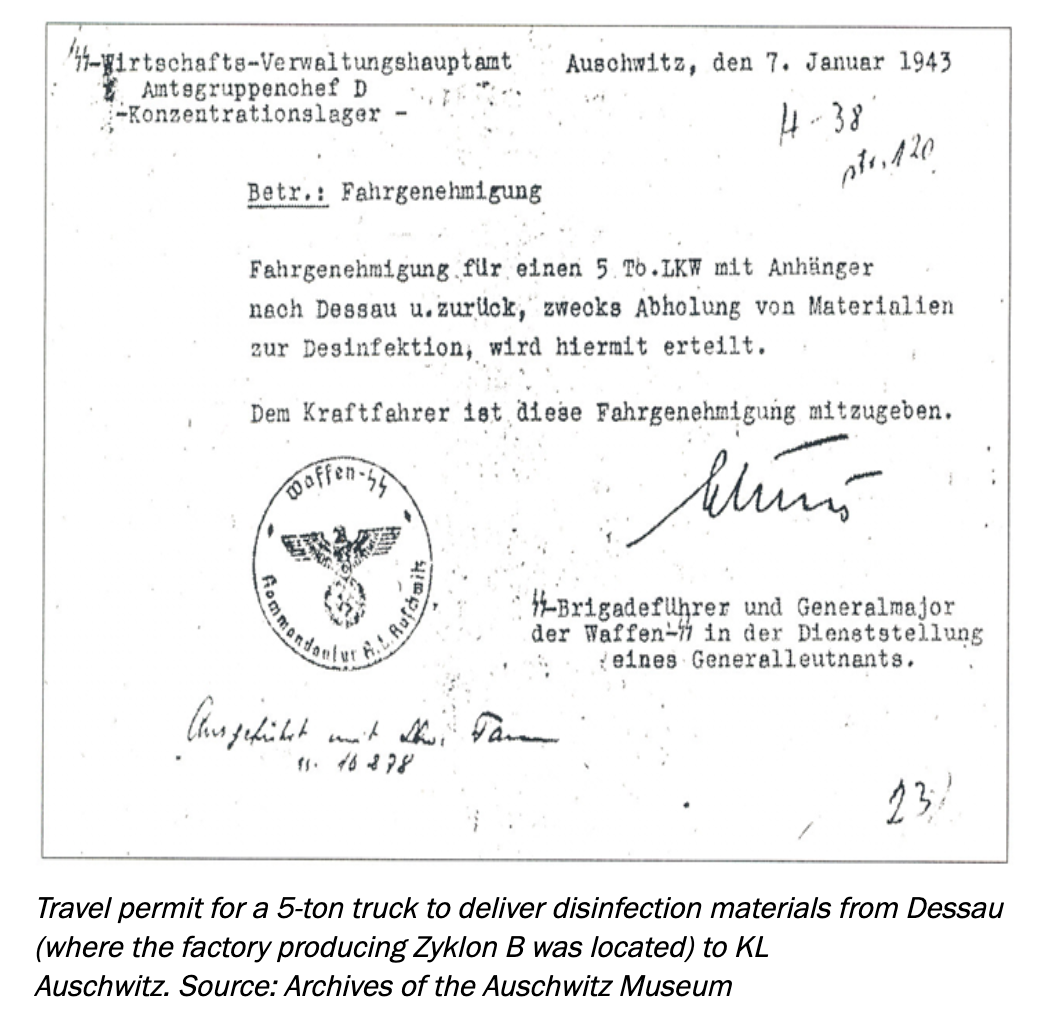
- “Zyklon B was used exclusively for disinfection”
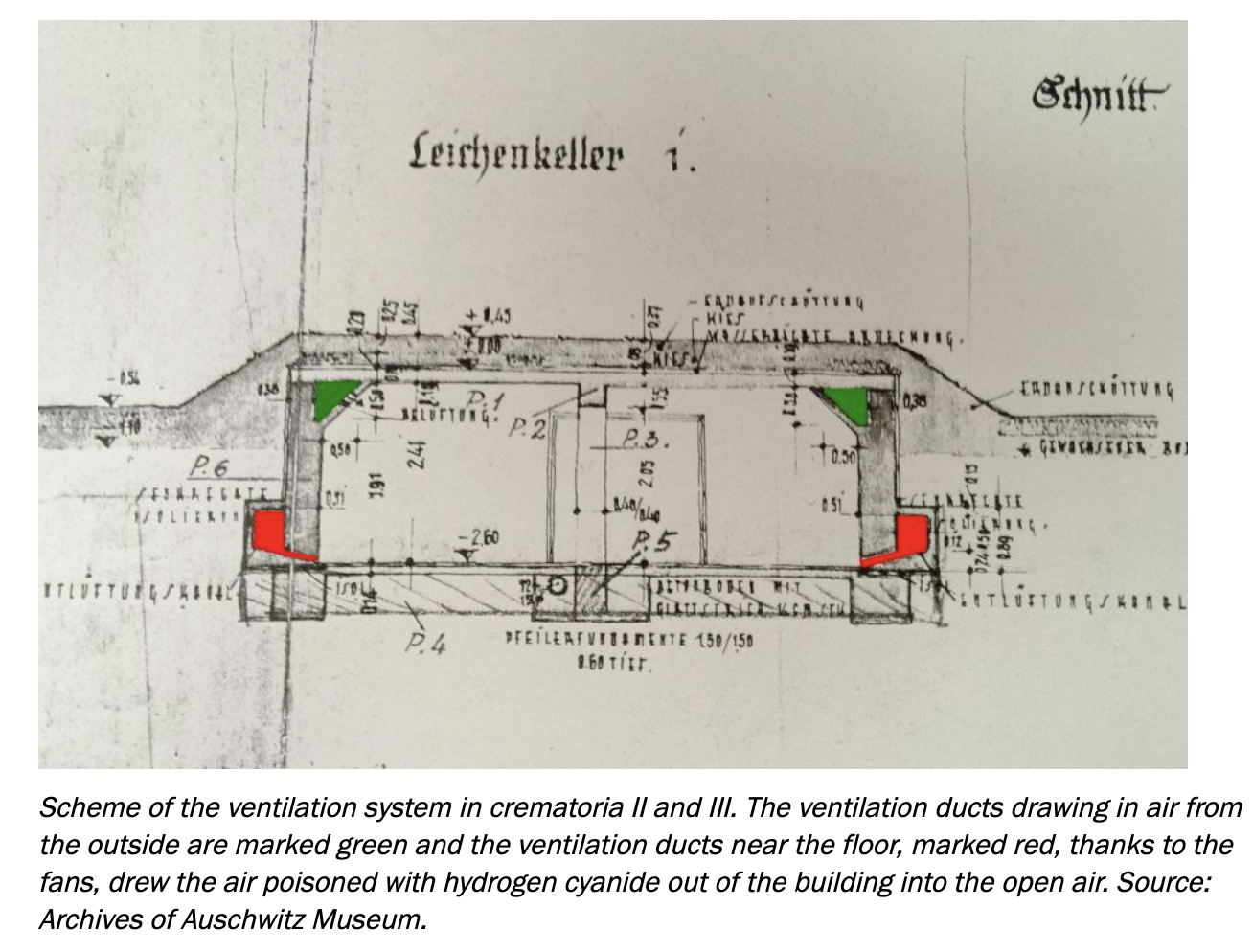
- “The crematoria did not have the capacity to burn such a large number of corpses”
- “The chimney at Crematorium I could not operate because it was not connected to the building”
- “Why did the change in the number of Auschwitz victims not affect the number of Holocaust victims?”
Their website even provides archives from the camp as evidence. For instance, one can consult the original blueprints for the camp’s crematoria, as well as correspondence and reports from the SS officers who oversaw the camp. Furthermore, the site contains transcripts of testimonies from former prisoners—all of which corroborate the reality of the Nazi extermination enterprise.
The “Stop Denial” website is currently available only in English and Polish.
Discredit the deniers
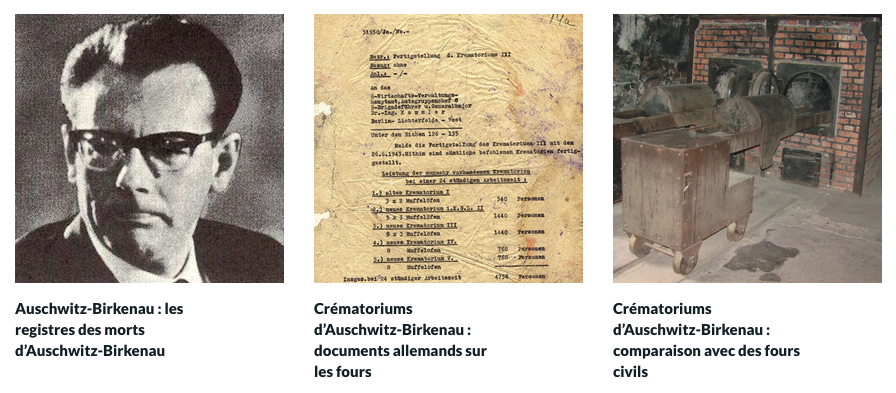
A similar platform (in six languages, including French) was developed by the American researcher Deborah E. Lipstadt. On her website, she also offers refutations of the main arguments that deny the Nazi genocidal project and its implementation.
Some of the denialist arguments to which the site responds:
- “Were there holes for Zyklon-B in the gas chamber roofs at Auschwitz-Birkenau?”
- “How do we know that the Nazis sometimes used open-air burning pits to cremate victims at Auschwitz-Birkenau?”
- “Have we found the mass graves of Jews murdered in Eastern Europe?”
- “How do we know a diesel engine can produce enough carbon monoxide in its exhaust to kill people?”
Educating the public
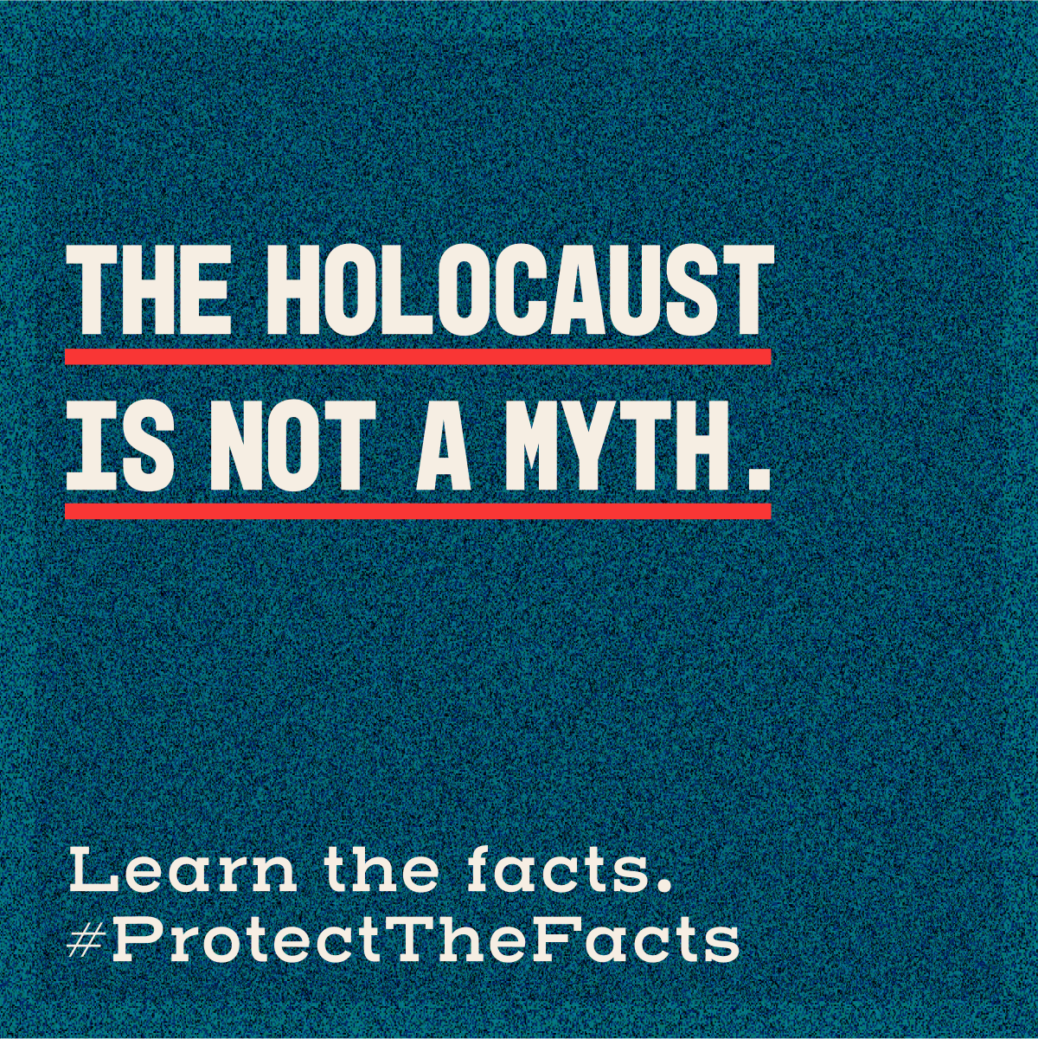
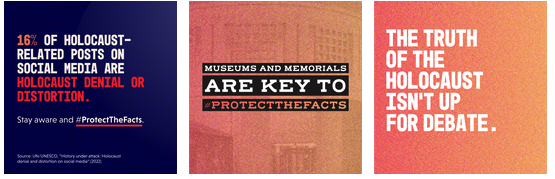
Another proposal along the same lines is the “Protect the Facts” campaign, launched jointly by the European Commission and the International Holocaust Remembrance Alliance (IHRA). The IHRA provides several tools, including:
- Visuals and texts to counter online disinformation
- Resources for self-study on the methods used by denialists, which can then be used to train others
- Advice on how to alert lawmakers and assist them in protecting historical facts
These three initiatives were designed to provide an immediate response to Holocaust-denial rhetoric—for instance, following an online conversation.