

 Français
 Polski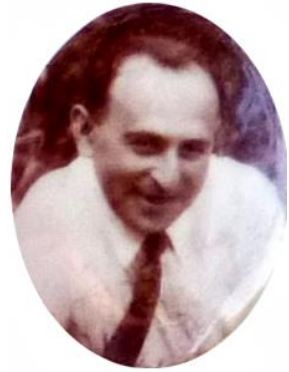
Menachem KROTENBERG
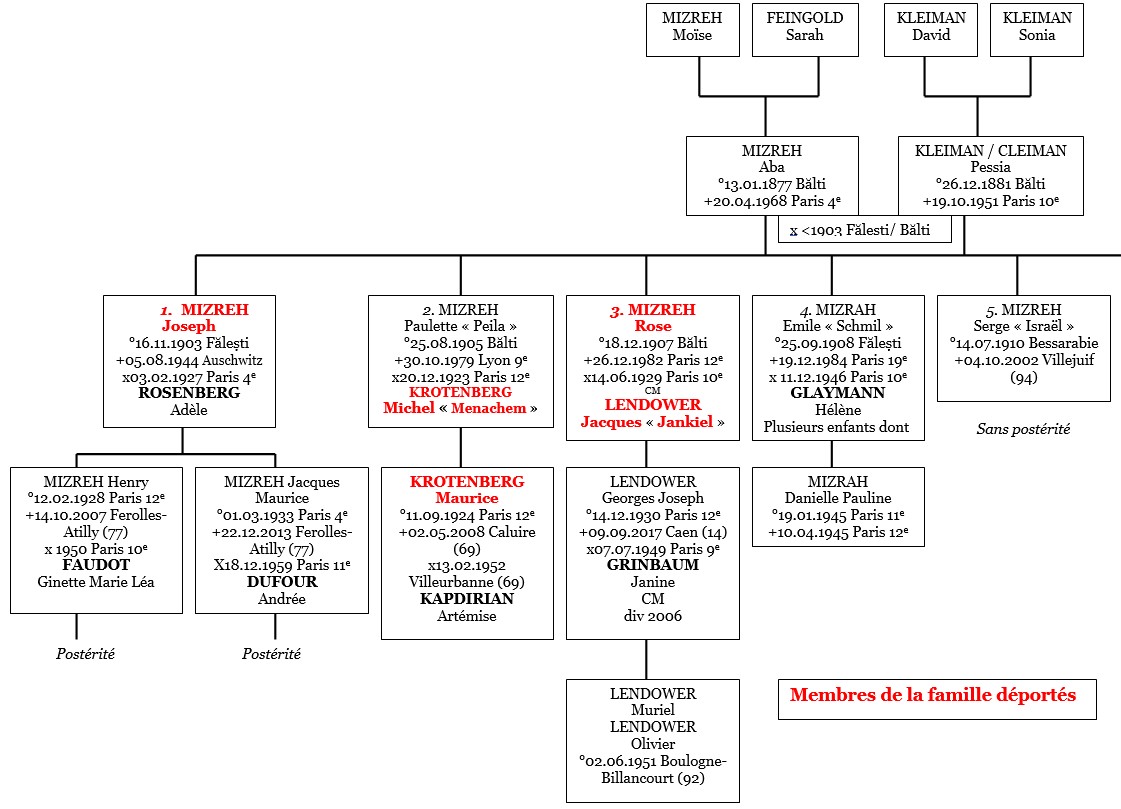
When we first started working with the “Convoy 77” project, we were asked to research the life story of Rose Mizreh-Lendower. When we finished building her family tree, I realized that six other members of her family were also deported between 1942 and 1944, including three on Convoy 77: I therefore decided to take on the entire family, allowing us to better understand, by writing a biography of the whole family, the horrific chain of events surrounding their deportation. Seventeen students from my 12th grade class were assigned to work on this family in particular.
As part of a year-long Civics and Moral Education project that would count toward their finals for the French baccalaureate, the entire class worked on compiling biographies of three families of deportees, including the Mizreh family.
We were very fortunate in that we did not have to start from scratch: Muriel Lendower, Rose’s granddaughter, had carried out detailed research into the various branches of her family tree in 2014 and 2015. We built on her research, with the help of various records provided by the Convoy 77 team, and added some other records that had previously been overlooked (census records and burial records, among others).
We made contact with Muriel, who, along with her brother Olivier, came to spend two very enjoyable hours with the class. They got to know the students who were working on the project about their family, and were able to answer some of their questions. We would like to take this opportunity to thank them for their help.
I. THE MIZREH FAMILY: FROM THEIR ROOTS TO THE SECOND WORLD WAR
The Jews of Bessarabia (19th century): Geographical location and historical context
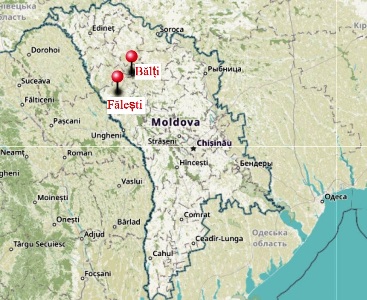
Map made on framacarte.org
The family’s roots can be traced back to present-day Moldova, more specifically to the towns of Bălți and Fălești, which are in the center of the country and less than twenty miles apart.
Under the Treaty of Bucharest in 1812, which brought an end to the conflict between Russia and Constantinople, in the Ottoman Empire, Russia annexed the eastern section of the Principality of Moldavia and changed its name to Bessarabia. It thus became part of the Russian Empire and as such, was not included in the 1859 union of the principalities of Wallachia and Moldavia that led to the creation of present-day Romania. In 1917, during the collapse of the Russian Empire and the Soviet Revolution, Bucharest laid claim to the Romanian-speaking provinces of Bukovina and Bessarabia, and they became part of Greater Romania in 1918.
While the earliest traces of Jews in the region date back to the time when the Roman Empire defeated Dacia, the Jewish community there grew mainly in the 15th and 16th centuries, when it became a crossroads between Constantinople and Poland. Jewish merchants from the Ottoman Empire began to move in, thus founding the first Jewish communities in the region. The government in Saint Petersburg adopted a policy aimed at encouraging people from elsewhere in the Russian Empire to move to Bessarabia, in order to facilitate its integration into the empire and boost its economy. Various incentives were introduced: exemption from taxes, duties, and military service for newcomers, no serfdom, and help in setting up farming communities. In addition, Bessarabia, which was on the edge of the Russian Empire, remained relatively unscathed by the waves of anti-Semitism that were already sweeping through the Tsarist Empire in the 19th century.
As part of a wider migration of Jews from northern Russia (Lithuania, Ukraine and White Russia, now Belarus) to the recently conquered southern region (including Bessarabia), the Jewish population in Bessarabia grew from 80,000 in the 1850s to over 230,000 by the beginning of the 20th century, by which time Jews made up more than 15% of the total population. Jewish communities in Bessarabia lived mainly in rural areas: by the mid-19th century, there were twenty or so Jewish agricultural settlements in the region. An imperial decree passed in 1882, which prohibited Jews throughout the Empire from engaging in agricultural work, triggered a mass migration of Bessarabian Jews from the countryside to towns and cities. The Jews’ circumstances continued to decline throughout the 1880s due to them being expelled from villages, coupled with an agricultural downturn that prompted many to leave out of necessity. Having previously lived in harmony with other ethnic groups, the Jewish community expericenced the first pogrom in April 1903. The pogrom in Chisinau, a city where Jews made up 50% of the population, was sparked by the discovery of the body of a young Russian boy who, according to anti-Semitic allegations of ritual murder, had been “murdered by Jews seeking to collect his blood to make matzot[1]”. Fifty or so people were killed and several hundred injured. The impact of this pogrom was felt all over Europe[2]. It also played a decisive role in the emergence of certain factions within the Zionist movement and, starting in 1904, prompted a mass exodus from the country. When Bessarabia was made part of Greater Romania in 1918, the Jews, in common with everyone else in the region, became Romanian citizens, but the authorities in Bucharest viewed them with suspicion. It was in this context that the Mizreh family decided to leave.
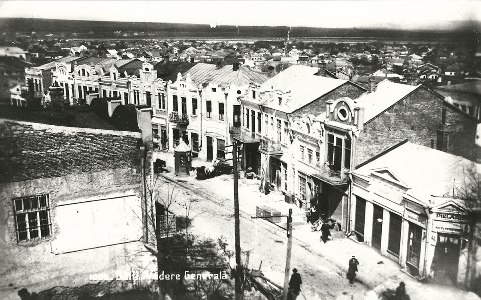
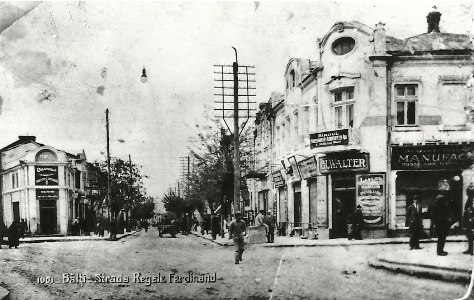
The town of Bălți in the early 20th century – Source: wwv.yadvashem.org
The second largest city in Moldova in terms of population is Bălți. Jews were first documented there in the 10th century, and the local Jewish community was the second largest in the country. To the west of the city, the old Jewish cemetery still bears witness to their presence in Moldova in the 19th and early 20th centuries. There are close to 25,000 graves there, most of which date back to the 19th century. It is the second largest Jewish cemetery in the country, after that of Chisinau. This run-down cemetery gives a glimpse of the important role that the Jewish community played in the city’s cultural, commercial, and industrial life, as it became one of the main centers of Yiddish culture and language in Eastern Europe. As for Fălești, the Jewish community made up 68% of the total population in 1900[3].
This is where our biography of the Mizreh family begins.
Aba and Peissa
Aba Mizreh was born in Bălți on April 13, 1877. His parents were Moïse Mizreh and Sarah Feingold. We do not know if he had any brothers or systems, but chances are he did. According to family lore, he worked in an oil factory.
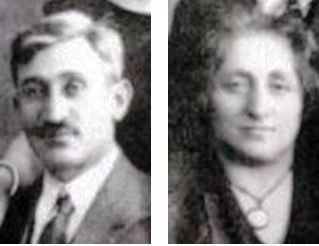
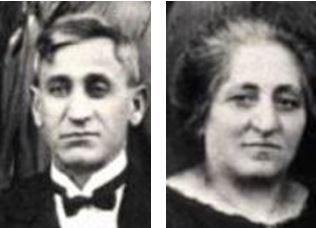
Moïse and Sarah in 1922 and in 1928 – family photos
We have no information about Aba’s father, but his mother, Sarah, later moved to Paris to be with her family. We have two photos of her[4].
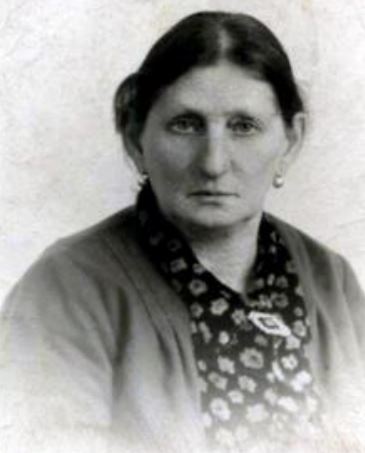
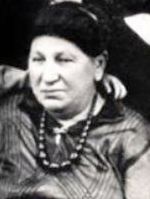
Sarah – family photos
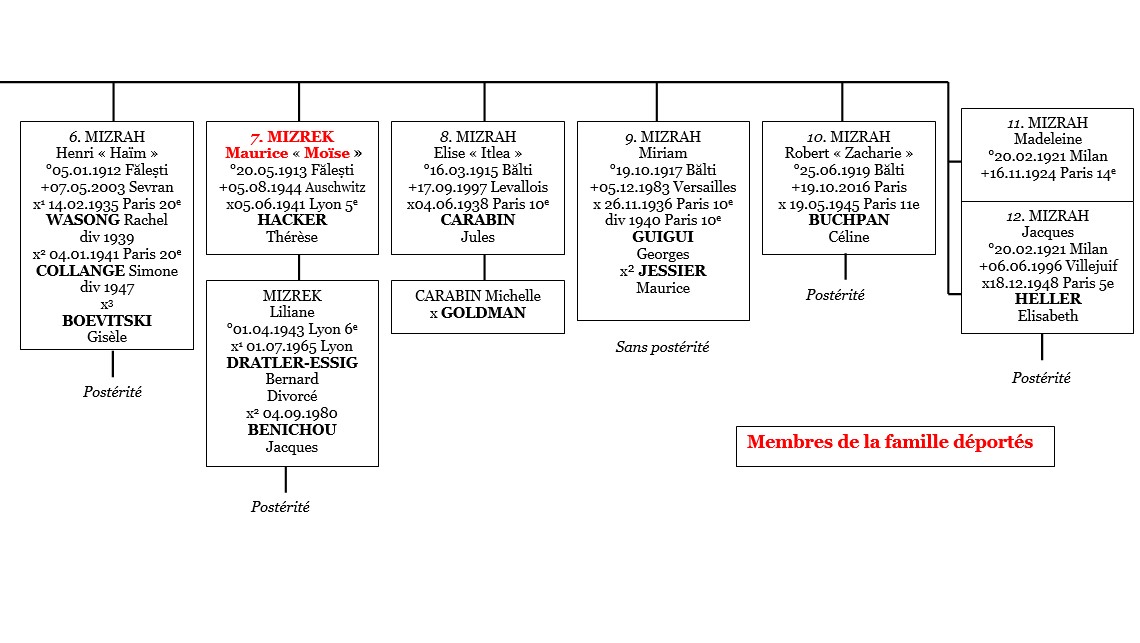
Aba married Peissa[5] Kleiman[6], who was born in Bălți on December 26, 1881, most likely in Bălți. Her parents were listed as “David and Sonia Cleiman[7]”. Between 1903 and 1919, while they were still living in Moldova, Aba and Peissa had ten children one after another: Joseph (1903), Peila/Paulette (1905), Rose (1907), Emile/Schmil (1908), Serge/Israël (1910), Henri/Haïm (1912), Maurice/Moïse (1913), Elise/Itlea (1915), Miriam (1917), and Robert/Zacharie (1919). In 1921, they had twins, Madeleine et Jacques, but they were born in Milan, in Italy. The spelling of the children’s surname varies: four of them were registered as Mizreh, Maurice as Mizrek and seven of them, including the last five, as Mizrah.
The family moved to Paris in 1921, although we do not know exactly when. Milan, in Italy, where the twins were born, was presumably one of the places the they stayed along the way as they made the long journey from Bessarabia to France.
We have a family photo taken in 1922, shortly after they arrived in France, which includes all of the siblings at that time, including little Madeleine, who died shortly afterwards, and another taken in 1928.
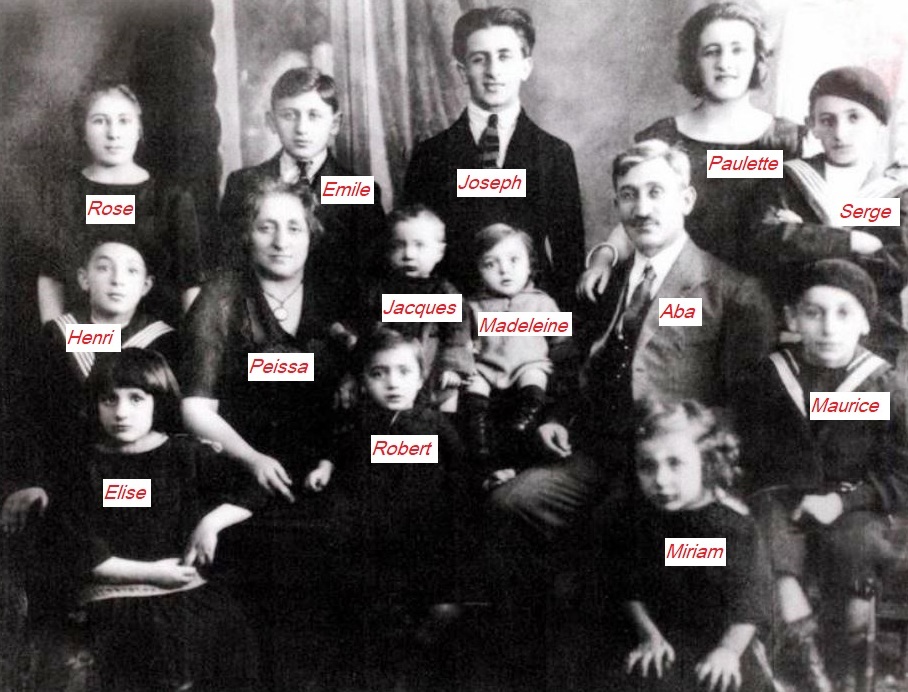
1922 – family photo
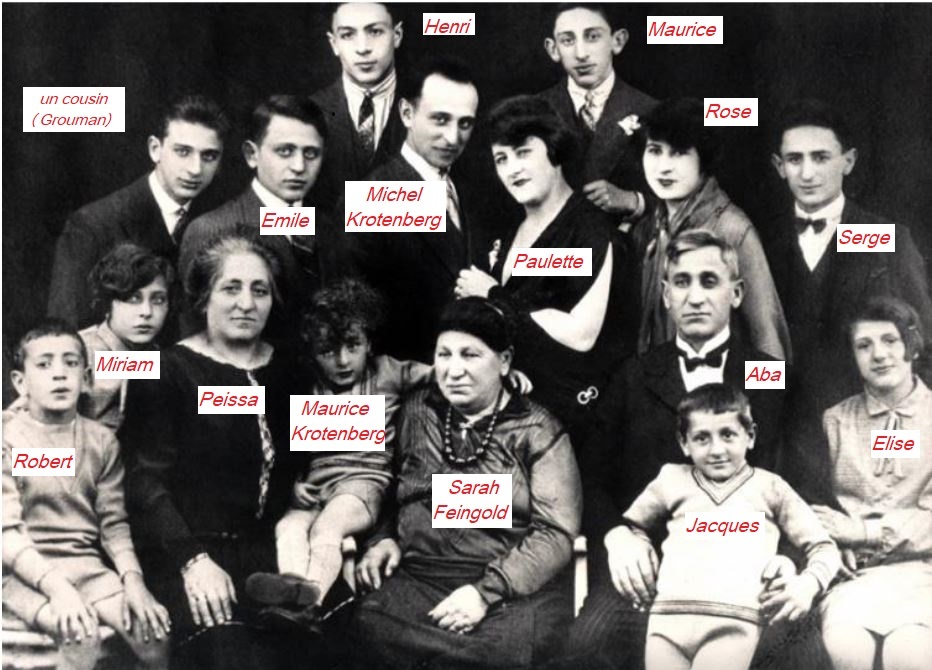
1928 – family photo
It is unclear whether Aba travelled to Paris alone initially, set up home and then arranged for the rest of the family to join him[8]. We know that he lived at several addresses: Rue Maître Albert (in the 5th district of Paris) and Rue du Petit-Musc (in the 4th district), and then at 14 Rue Villiot (in the 12th district)[9] where he is listed as living from 1923 to 1927. The 1926 census records[10] reveal that the whole Mizreh family living there by then, along with Michel Krotenberg, his wife Peila, and their son Maurice.
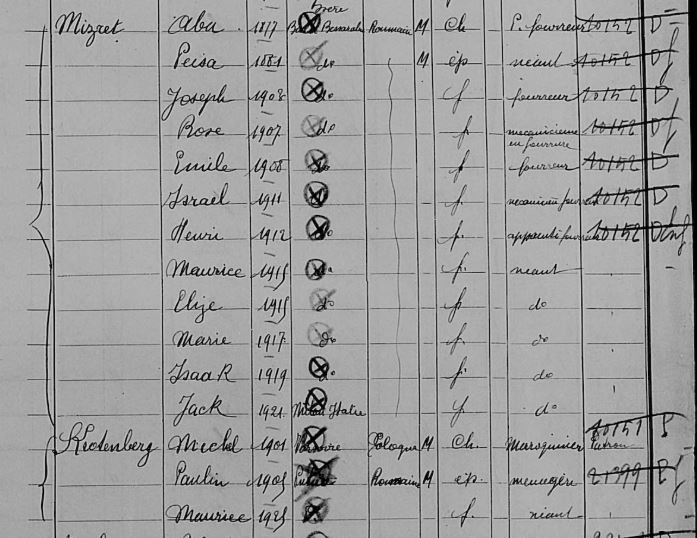
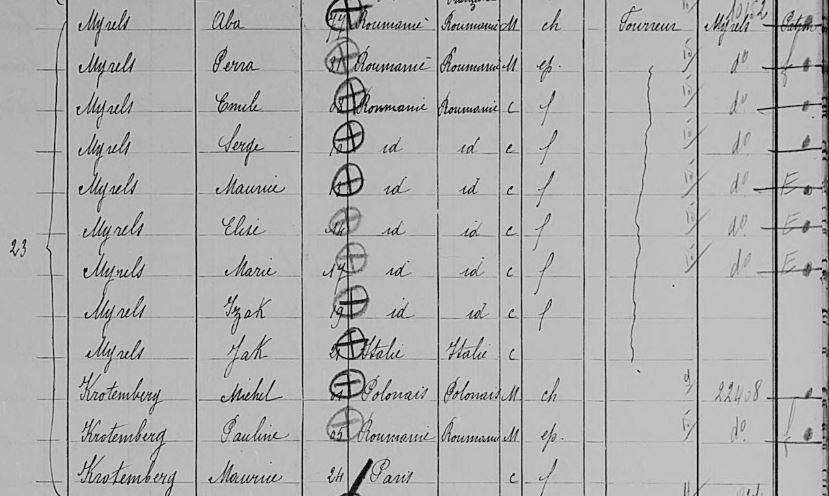
The 1926 census listing for 14, rue Villiot – Paris city archives
The 1931 census listing for 17, rue du Faubourg du Temple – Paris city archives
As of 1929[11] (according to the 1931 census[12]), the Mizrehs, along with the Krotenbergs, lived at 17 Rue du Faubourg du Temple in the 10th district of Paris. Aba had started a fur business there, in which the entire family worked. He also had another workshop nearby, at 57 Rue des Petites Ecuries, also in the 10th district. It seems, however, that things were not going well for him: an article in L’Action française on July 13, 1931, reported that his workshop on Rue des Petites Ecuries had been burglarized. In January 1932, two short announcements in Le Petit Parisien and Le Temps said that both firms had gone bankrupt !
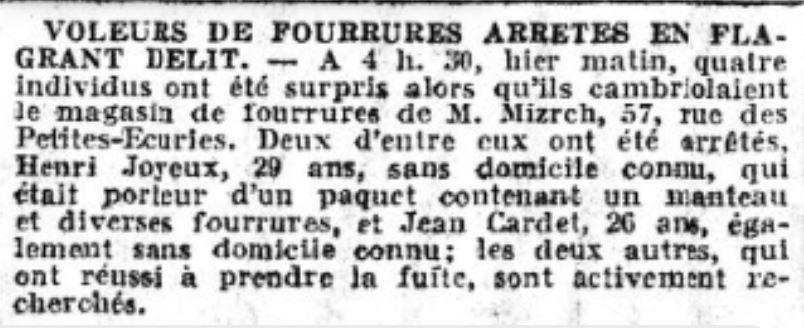
The article about the burglary, published in L’Action française – July 13, 1931
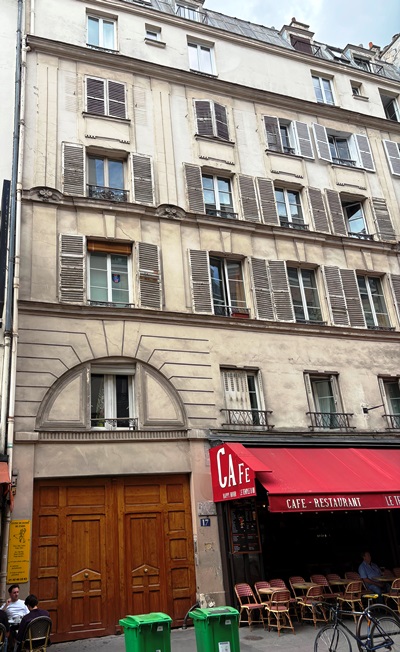
57, rue des Petites-Ecuries – our own photo
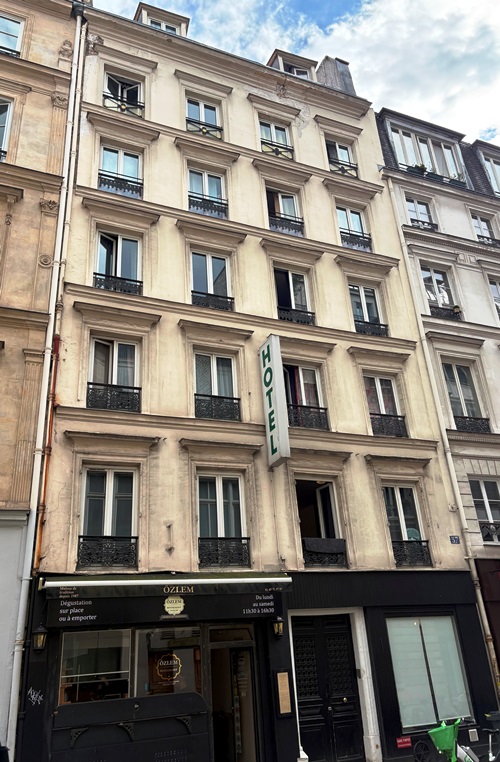
17, rue du Faubourg du Temple – our own photo
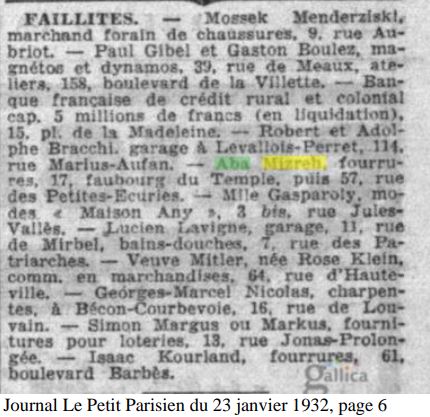
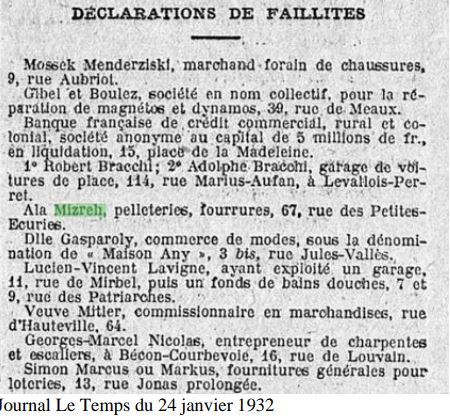
At some point, probably not long after that, the family moved to 151 Boulevard Magenta in the 10th district, where they rented a six-room apartment with a kitchen. One room was used as a workshop, and the rent was 8,500 francs[13].
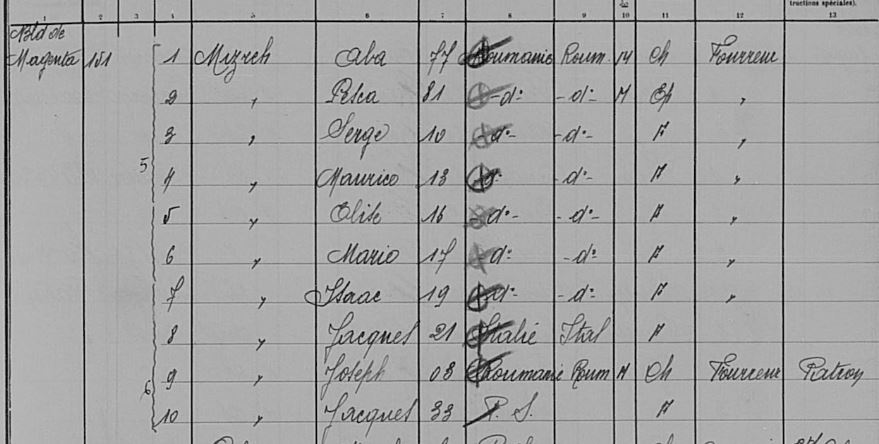
The 1931 census listing for 151, Boulevard Magenta – Paris city archives
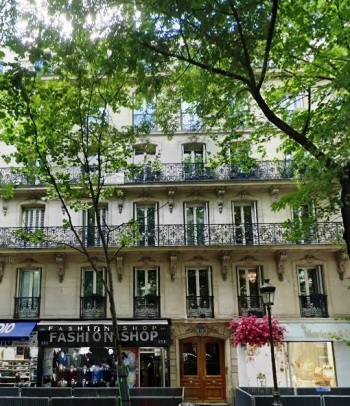
151, Boulevard Magenta – Google Maps
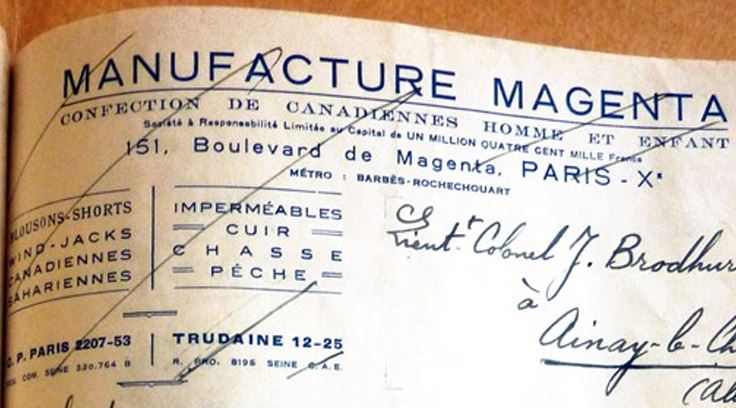
There, La Manufacture Magenta made leather jackets, parkas, and raincoats. In 1931, Aba’s firm became a “master workshop” for La Samaritaine. Fur manufacturing was very much a seasonal activity, and master workshops, or contract manufacturers, worked for the big brands of the day: the client specified the design and supplied the materials, while the workshops produced the garments. This system enabled firms such as La Samaritaine to keep labor costs lower than they would have been in an in-house workshop, in that they did not have to pay payroll taxes. In the family workshop, Aba cut out the furs, while his daughter Rose sewed the pieces into garments.
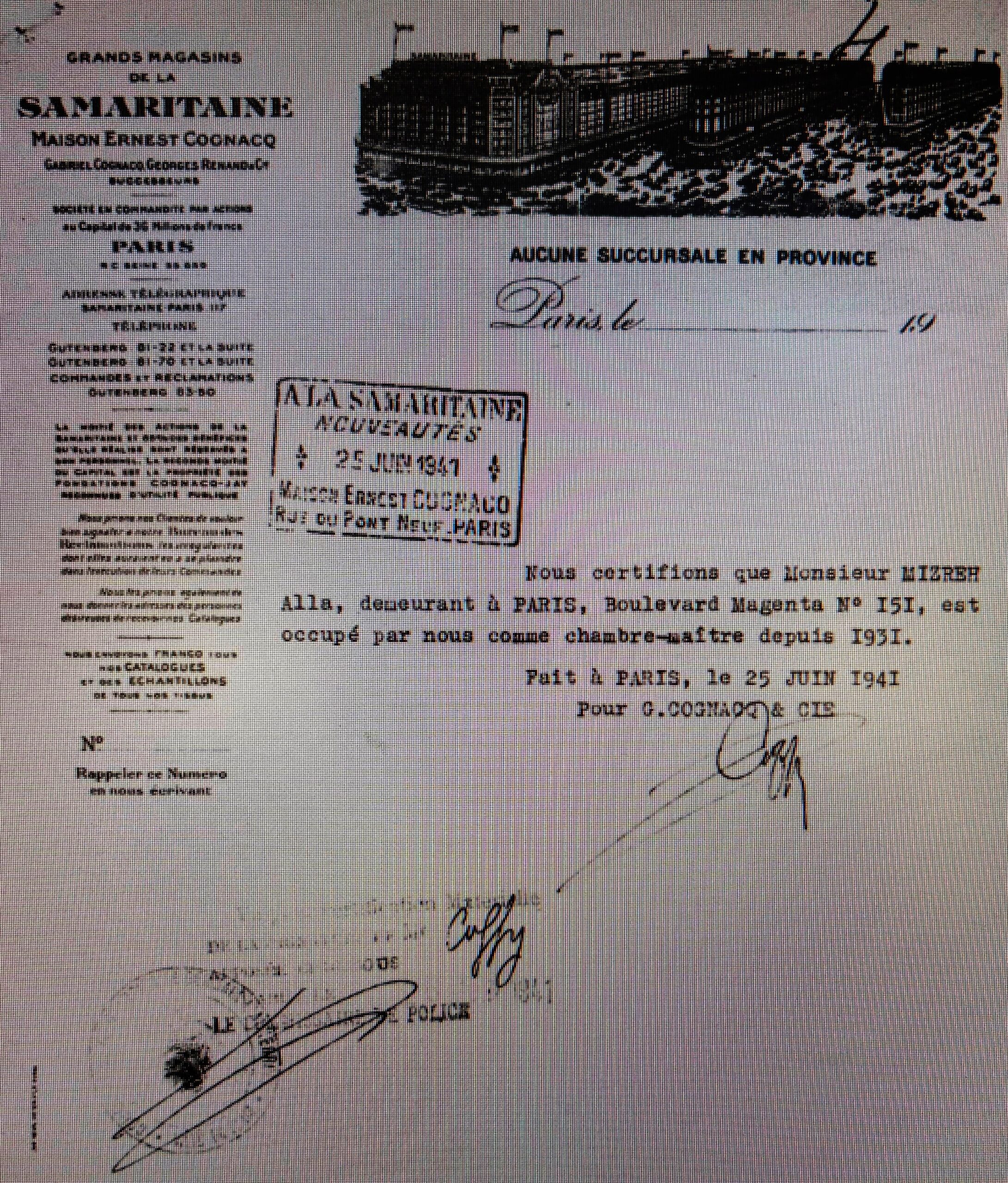
Employment Certificate from La Samaritaine – from the Aryanization file for 151, Bd Magenta
Shoah Memorial, Drancy – ref. AJ38/1 628 dossier no. 11,482.
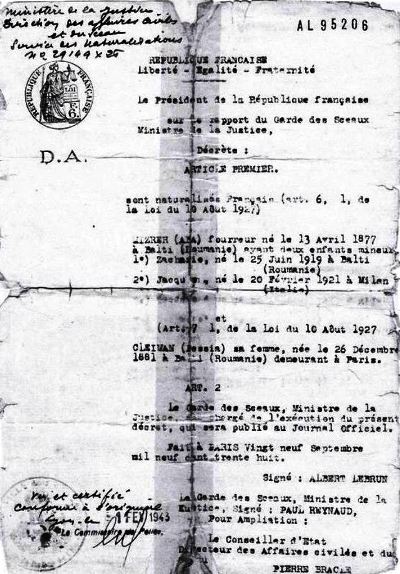
The Mizreh family was still living at this address when the Second World War broke out. The previous year, on September 29, 1938, Aba, his wife Peissa, and their two younger sons, Robert and Jacques, had become French citizens.
1. Joseph Mizreh and Adèle Rosenberg
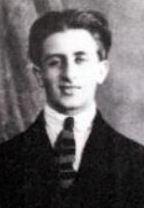
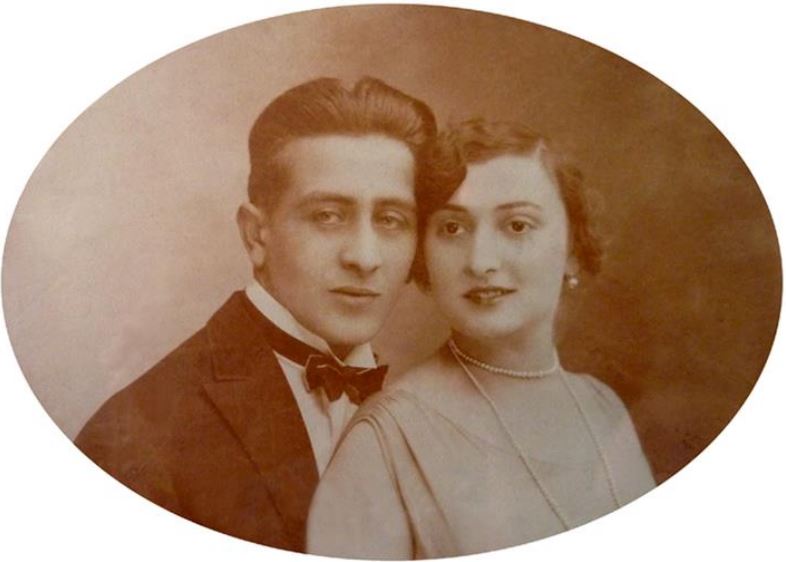
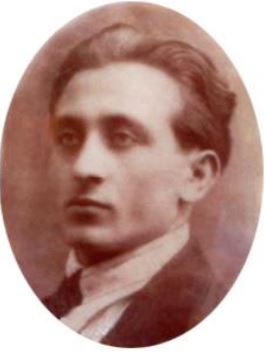
Joseph, the eldest of the siblings, was born on November 16, 1903, in Fălești. We found his marriage record, dated February 13, 1927, in the 4th district of Paris. He was a furrier at the time and was living at 3 Rue des Lions in the Saint-Paul neighborhood, also in the 4th district[14]. The building was an old private townhouse called “des Parlementaires” which was no doubt subdivided into apartments, as it is now.
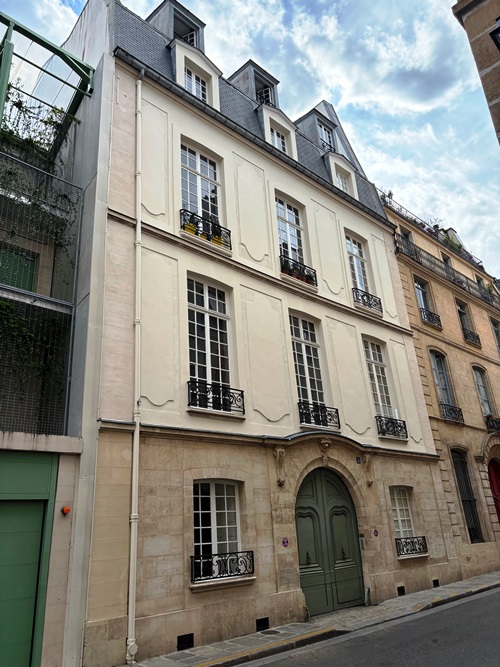
3, rue des Lions in the Saint-Paul neighborhood in the 4th district of Paris – our own photo
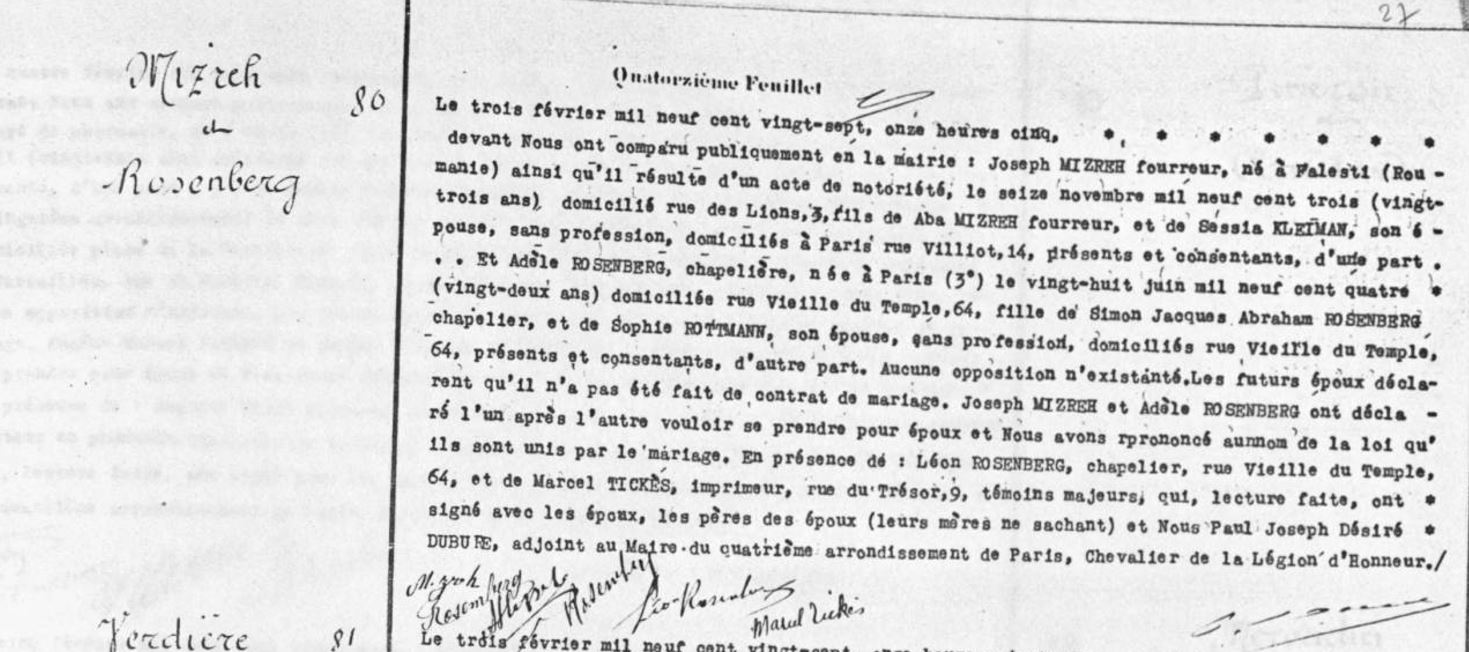
Joseph Mizreh and Adèle Rosenberg’s marriage certificate, dated 1927 – 4th district of Paris civil registry
His wife, Adèle Rosenberg, was born in the 3rd district of Paris on June 28, 1904. Her parents were Simon and Sophie Rottmann. While the Mizrehs all worked in the fur trade, the Rosenbergs[15] were all milliners. At the time, they were living at 64, rue Vieille du Temple in the 4th district. Adèle’s brother, Léon, was a witness at the wedding. Simon Rozenberg’s death certificate, issued in the 3rd district of Paris in 1933 reveals that he was born in Buzău, in Romania.
Two years later, there were newspaper reports that the family business, “Etablissements Simons” hatmakers at 7bis Rue du Perche in the 3rd district, had gone into liquidation; Sophie Rottmann, by then a widow, had been running it since her husband died. Simon and Sophie Rottmann were both buried in the Bagneux Cemetery in Paris[16].
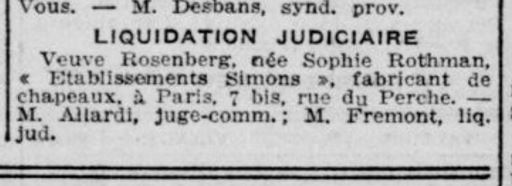
Notice stating that “Etablissements Simons” had gone into liquidation – L’Ami du peuple, July 23, 1935
Almost exactly a year after Joseph and Adèle were married, their first child, Henry, was born on February 12, 1928 in the 12th district of Paris. Five years later, on March 1,1933, they had their second child, Jacques Maurice, born in the 4th district of Paris[17].
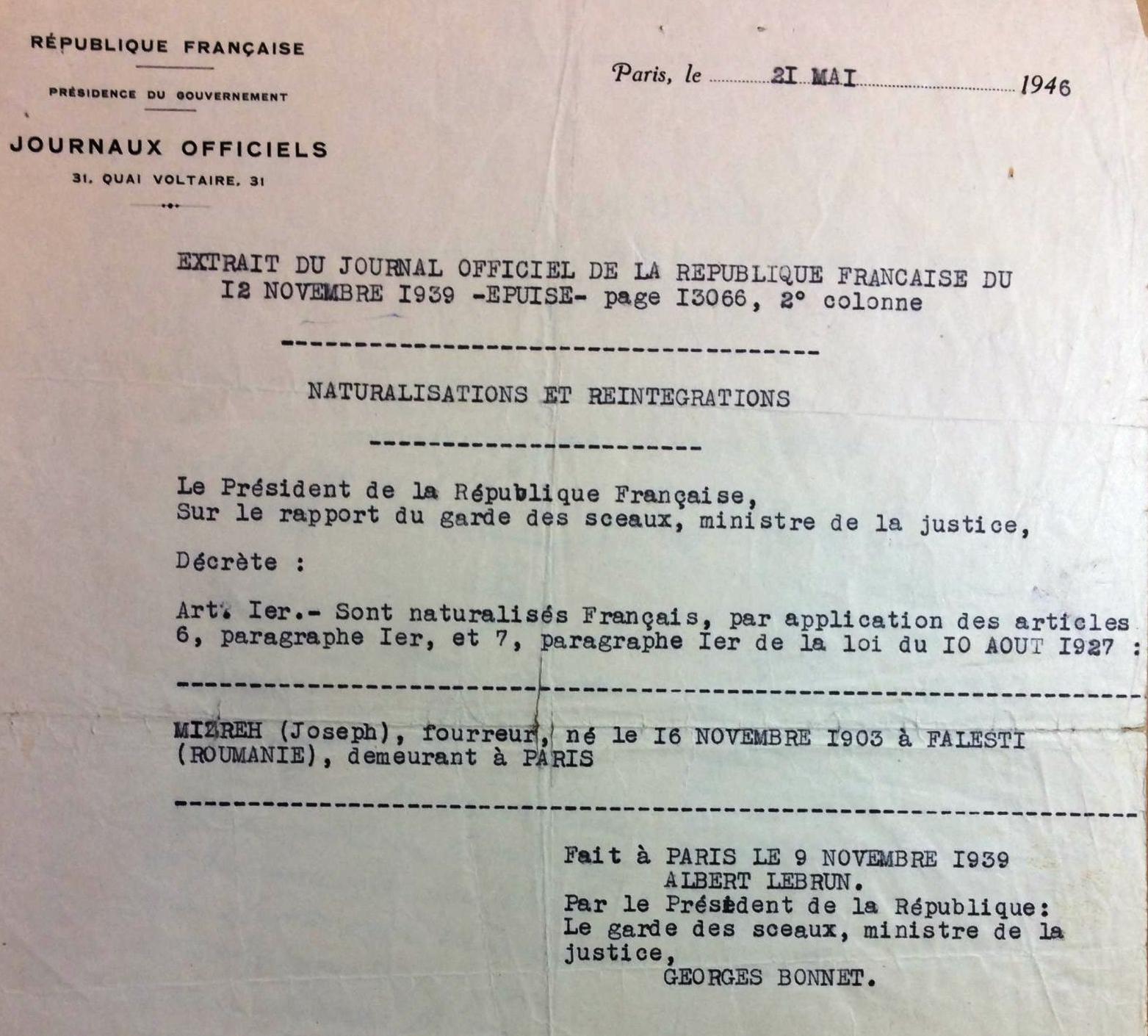
On November 9, 1939, at the age of 26, Joseph Mizreh was naturalized as a French citizen[18].
2. Paulette “Peila”[19] Mizreh and Michel “Menachem” Krotenberg
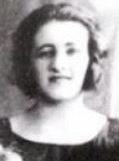 Peila Mizreh was born in Bălți on August 25, 1905. On December 20, 1923, she married Menachem Krotenberg in the town hall of the 12th district of Paris. She was still living with her family at the time, at 14, rue Villiot, and was working as a fur trimmer. According to a report L’Univers israélite they also had a religious wedding ceremony at the synagogue at 15, rue Notre-Dame de Nazareth, in the 3rd district, which is the oldest “great” synagogue in Paris.
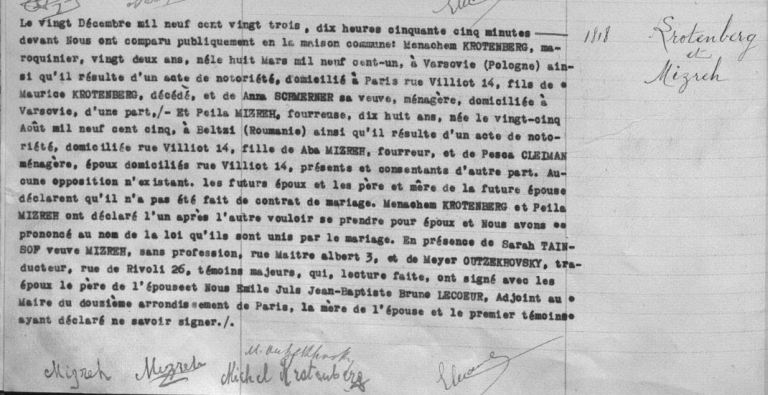
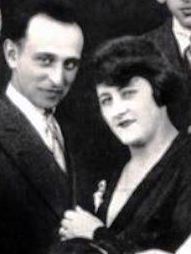
Menachem Krotenberg and Peila Mizreh’s marriage certificate, dated 1923 – Civil register of the 12th district of Paris
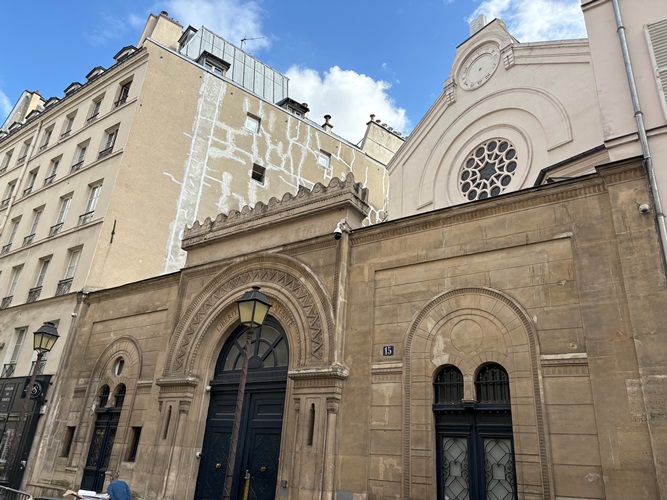
The synagogue in which Peila and Michel Krotenberg were married – our own photo
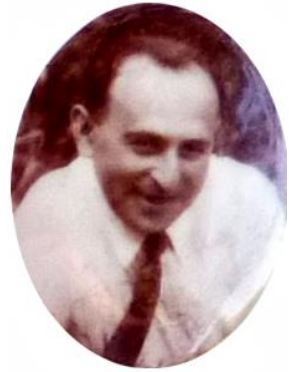 Michel Krotenberg was born on March 8, 1901 in Warsaw, in Poland. His parents were Maurice (Moïse) Krotenberg (who had died before Michel got married) Anne Schmerner (who was still alive and living in Warsaw). In 1923, he was working in the leather goods trade. The family story goes that he came from a very poor family and arrived in France in 1914, at the age of 13, at the end of a year-long trek on foot(!). We found very little information about Michel, but we do know that he had an older sister, Fela, who was born on June 6, 1899, in Warsaw. Fela was a seamstress and married Joseph Fichelson on February 26, 1921, in the 4th district of Paris. According to census records, they too lived at 14, rue Villiot when they first got married. They then moved to 8 Rue des Archives, had a family, and later emigrated to the United States: they are listed in the 1930 New York immigration records.
The Shoah Memorial holds files on several other people by the name of Krotenberg, who were also born in Warsaw, but we were unable to find any connection between them.
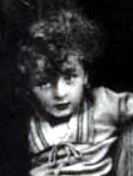 The following year, on September 11, 1924, they had their first and only child, Maurice, who was born in the Saint-Antoine hospital. He was Aba and Peissa’s first grandchild, and is in the family photo taken in 1928.
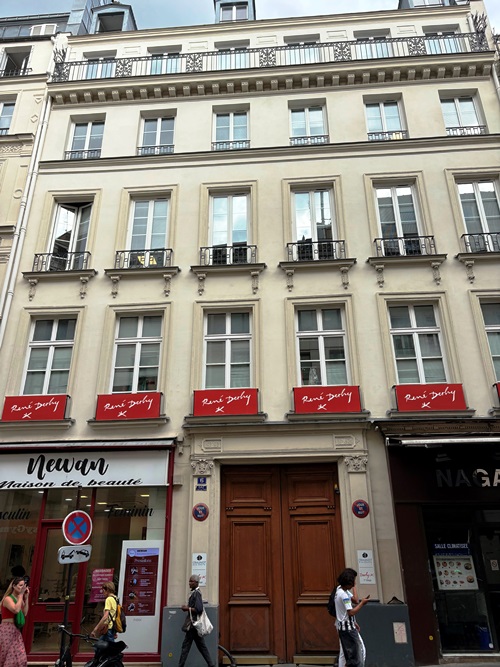
The Paris Trade Register contains an entry dated 0ctober 30, 1934, stating at that Michel Krotenberg set up his own fur business. It was initially based at 28 rue du Petit-Musc in the 4th district, and later moved to 6 rue du Faubourg Poissonnière in the 10th district[20].
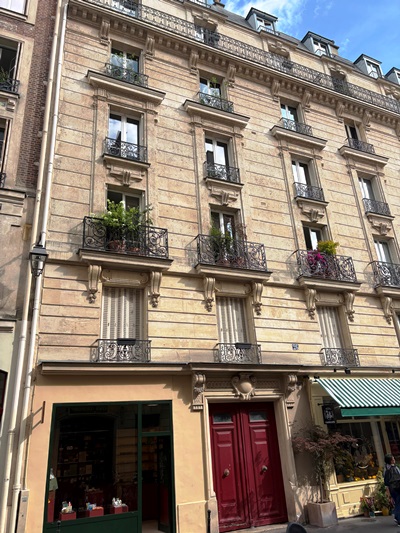
28, rue du Petit-Musc (4th district)
6, rue du Faubourg Poissonnière (10th district)
Our own photos
The 1942 Aryanization file[21] includes more details: Michel’s small artisanal business was based on the 4th floor of the building and included a workshop, a bedroom, and a kitchen, with a rental value of 2,800 francs. His annual turnover, meanwhile, was estimated to be 17,500 francs. Michel worked alone and was registered as a Polish national when the business was “Aryanized”.
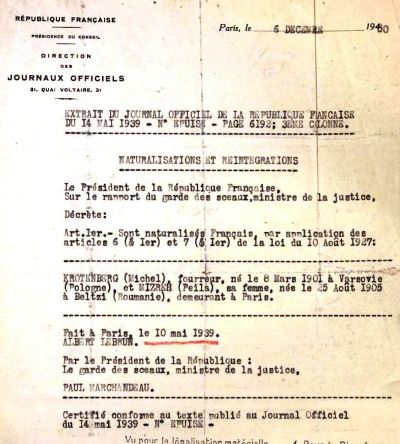
However, an announcement in the French Official Gazette dated May 14, 1939, stated that Michel and Peila Krotenberg had been naturalized as French citizens.
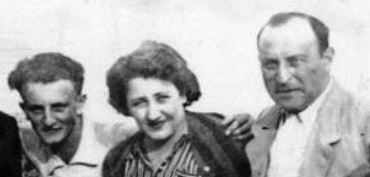
Maurice, Peila and Michel Krotenberg – photo taken in around 1940 – Family photo
3. Rose Mizreh and Jacques (Jankiel) Lendower
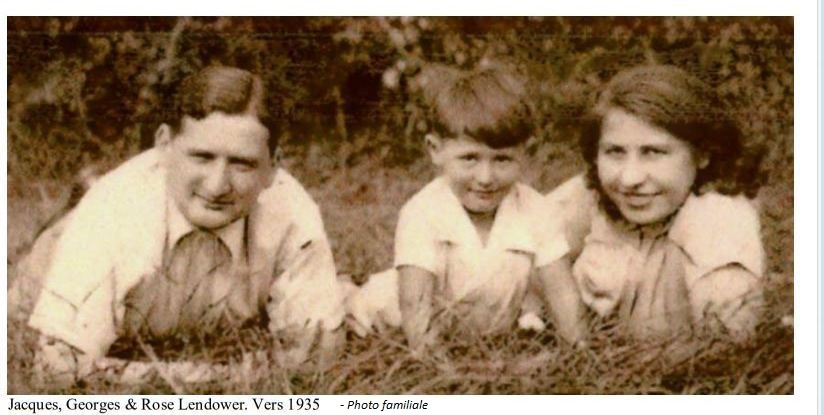
Rose was born in Bălți on December 18, 1907. On June 17, 1929, she married Jacques (Jankiel) Lendower in the town hall of the 10th district of Paris. Rose’s brother-in-law, Michel Krotenberg, was a witness at the wedding. Unlike her brothers and sisters, Rose had a marriage contract, drawn up by a notary by the name Fontaine the day before she was married.
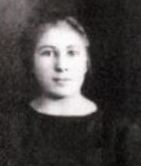
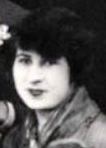
Rose in 1922 and 1928
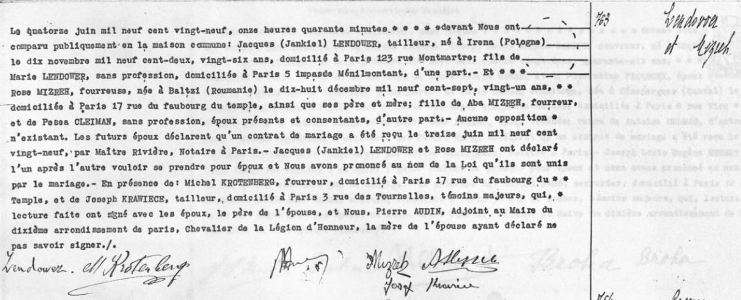
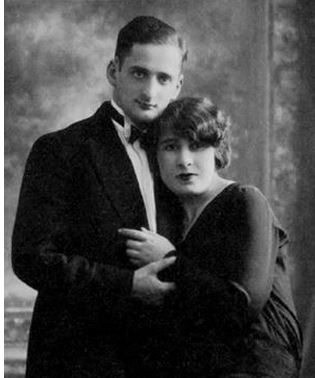
Jacques Lendower and Rose Mizreh’s marriage certificate, dated 1929 – Civil register of the 10th district of Paris.
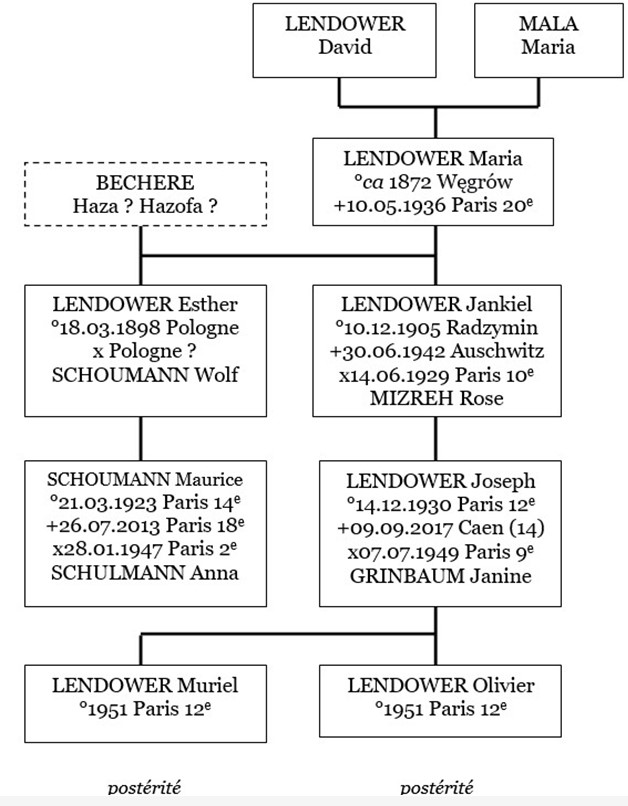
Jankiel Lendower was born on December 10, 1905[22] in Radzymin[23], in Poland. His detention record from the Pithiviers camp reveals that he arrived in France in May 1922. When he got married, he gave his mother’s name as Maria Lendower. At that time, he was living at 123 Rue Montmartre in the 2nd district of Paris, while she lived at 5 Impasse de Ménilmontant in the 11th district[24]. Muriel Lendower gave us some further information: “Marie Lendower got married in Poland. Her husband, Haza Bechere[25] set off for France first, intending to bring his family to join him later on, but ended up marrying someone else (!). Marie did eventually make it to Paris anyway, but the Polish marriage was not legally recognized in France. She was therefore forced to register under her maiden name.”
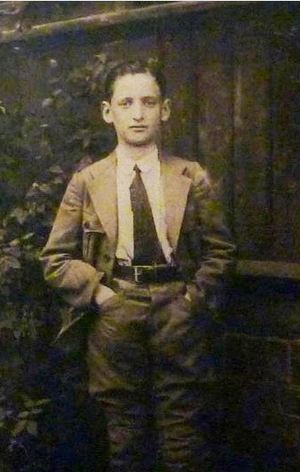
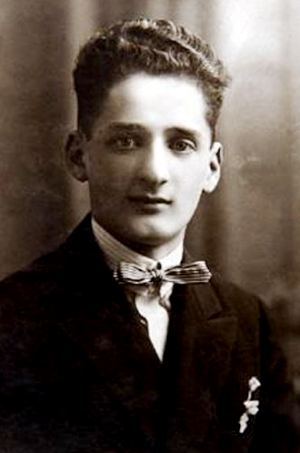
Jankiel Lendower – Family photos
We know very little about him, other than that he had an older sister, Esther, who was born on March 18, 1898, in Poland[26]. She married, almost certainly also in Poland[27], Wolf Schoumann, a Polish textile cutter. An announcement in the French Official Gazette dated May 13, 1928 stated that Wolf and Esther had been naturalized as French citizens.
They are listed in the 1936 census as living at 6 Boulevard Saint-Denis in the 10th district of Paris. At the time, Marie Lendower, Esther’s mother, was living at the same address[28]. By this time, they also had a son living with them: Maurice David.
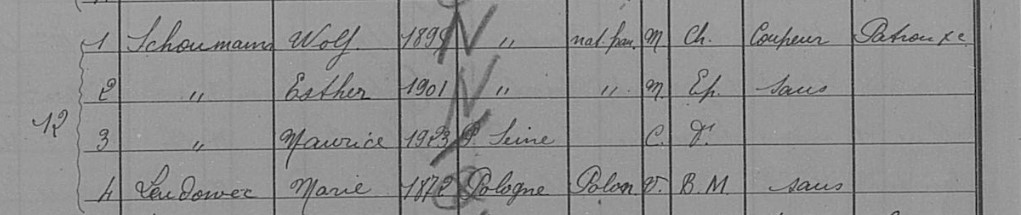
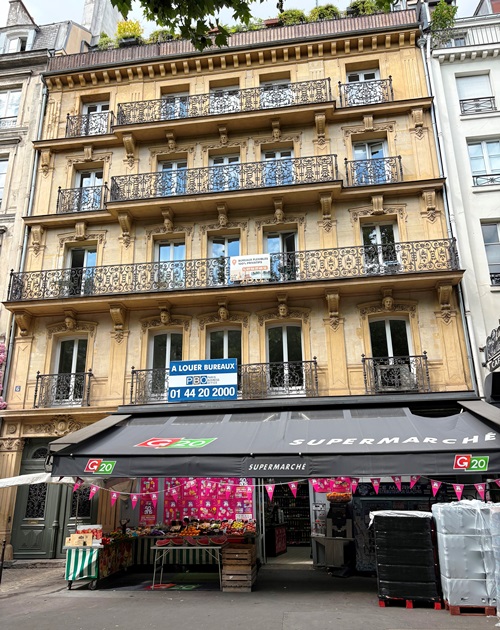
The 1936 census listing for 6, Boulevard Saint-Denis – Paris city archives
5, Boulevard Saint-Denis today – our own photo
6, boulevard Saint-Denis, Paris
This building has a particularly interesting history, which deserves to be shared[29]: In 1896, a few months after the Lumière brothers’ first public cinematograph screenings at the Grand Café, they bought the first floor of the building and converted it into the “Premier Cinématographe Lumière”.
It therefore became the first movie theater in Paris, in France, and indeed the world!
It was later renamed “Cinéma Saint-Denis” until 1912, when Charles Pathé, the new owner, renovated the premises and renamed it the “Pathé-Journal”: it was a small space measuring just 65’ x 16’ (20m x 5m), and from the mid-1960s onwards, it showed mainly low budget action movies. In 1972, it began screening adult films. The movie theater closed down completely in 1993, after which it became a gay club called The Rangers. Nowadays it is a regular neighborhood grocery store, and the customers probably have no idea about the building’s incredible past!
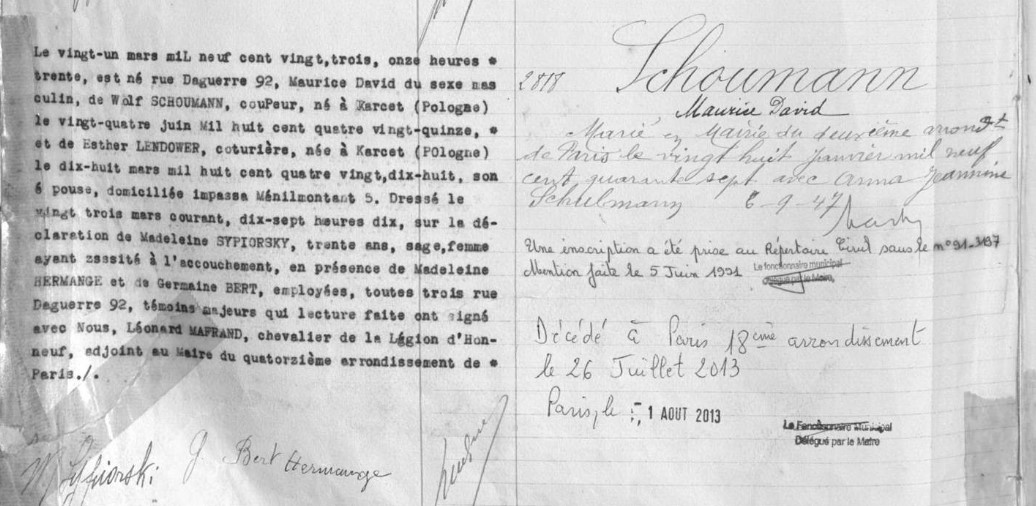
We then set about researching Maurice David, and found his birth certificate, issued in the 14th district of Paris on March 21, 1923. All these findings came as a revelation to Muriel and Olivier, Jankiel’s grandchildren, as they previously knew nothing about this branch of the family.
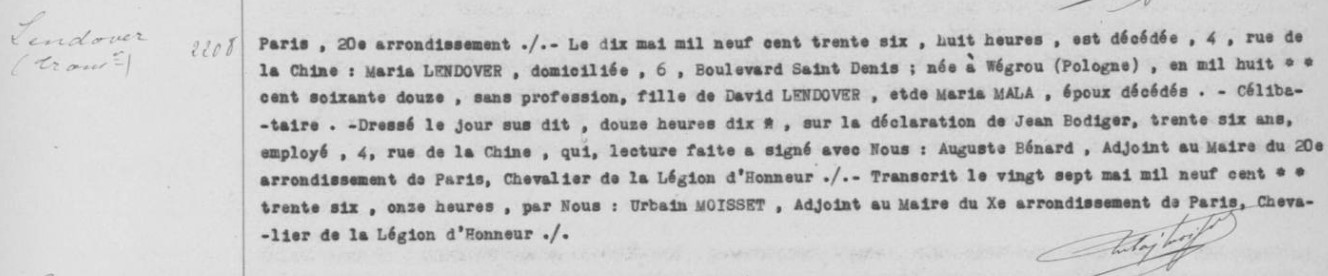
Lastly, we found Maria Lendower’s death certificate: she died on May 10, 1936, in the Tenon Hospital, in the 20th district of Paris.
When they were first married, Jankiel and Rose lived at 50, rue du Faubourg du Temple in the 11th district of Paris. Their first and only son, Joseph Georges, was born on December 14, 1930, in the 12th district.

1936 census listing for 50, rue du Faubourg du Temple – Paris city archives
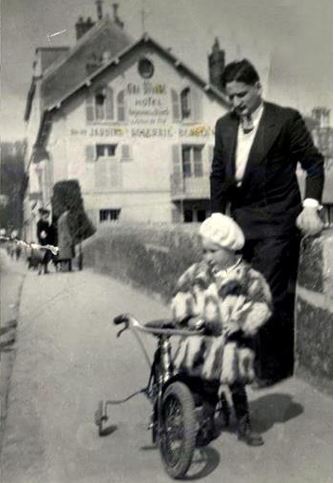
Jankiel and his son Joseph
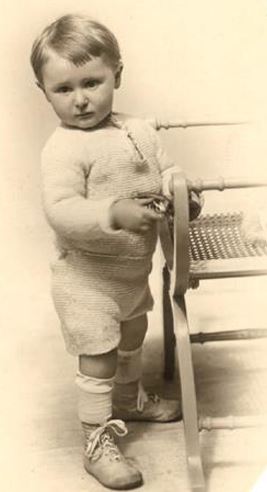
Joseph in 1931
Family photos
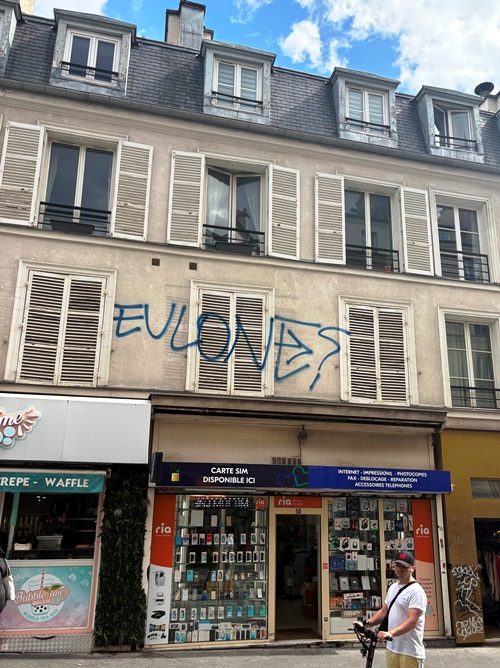
50, rue du Faubourg du Temple – our own photo
4. Emile (Schmil) Mizrah
Emile was born in Fălești on September 25, 1908. He died in Paris on December 11, 1946. We have no information about his younger years.
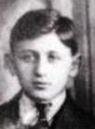
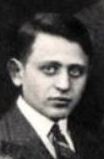
1922 / 1928
5. Serge (Israël/Srul) Mizreh
Of all the siblings, Serge is the one about whom we have the least information. He was born in Bălți on July 14, 1910[30]. We know from census records that he was still living with his parents at least until 1936. He never married and had no children. He worked as a furrier, like his brothers and sisters, and spent part of his life in Argentina.
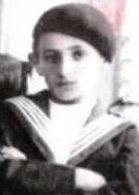
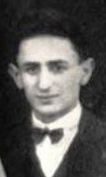
1922 / 1928
6. Henri (Haïm) Mizrah
Henri, who was born on January 5, 1912 in Fălești, made his bar mitzvah in April 1925 in the synagogue rue Vauquelin, in the 5th district of Paris. Like his older brothers and sisters, he worked in the fur trade[31]. He is listed in the 1931 census records as living with his parents. He first lived at 43 rue Victor Hugo in Bagnolet, now in the Seine-Saint-Denis department of France. On February 14, 1935, he married Rachel Wasong, an office worker, in the 20th district of Paris; they then moved to 16 rue du Pont-aux-Choux in the 3rd district, where they are listed in the 1936 census records. They got divorced just four years later, in February 1939.
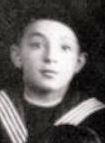
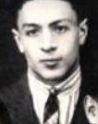
1922 / 1928
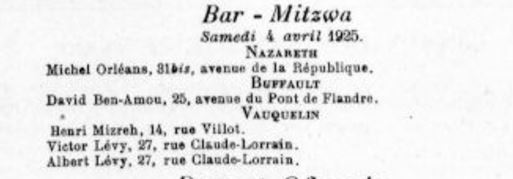
Henri’s bar mitzvah notice in L’univers israélite, April 3, 1925
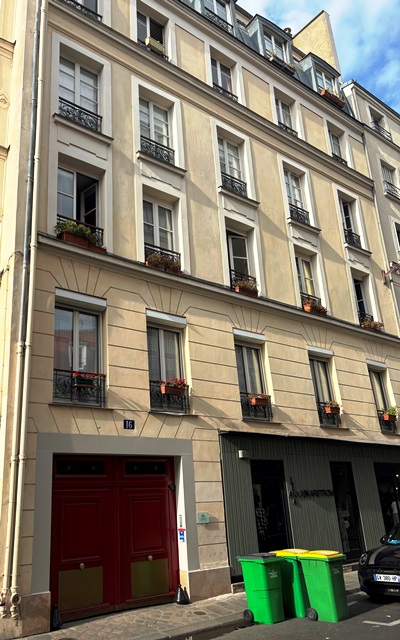
16, rue du Pont-aux-Chouxn in the 3rd district of Paris – our own photo
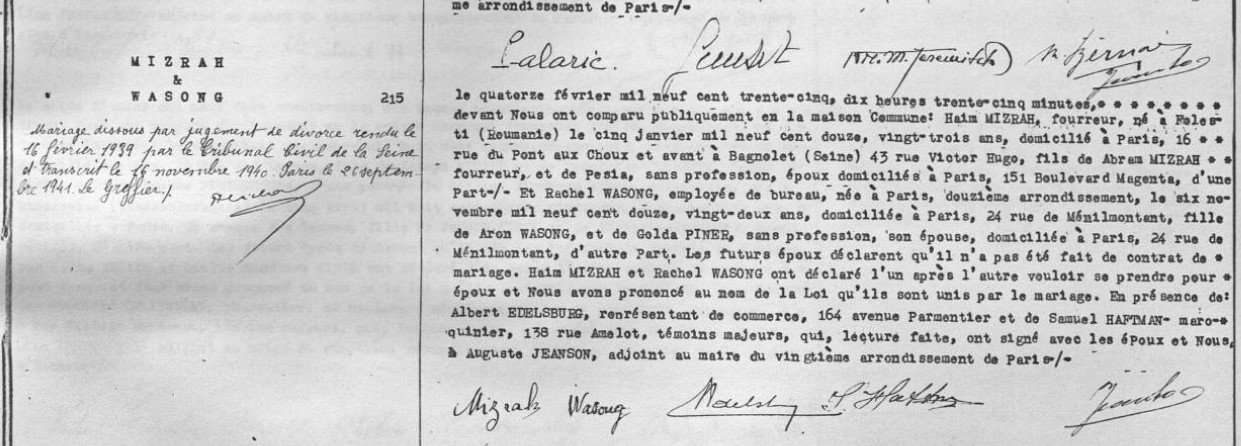
Haïm Mizrah and Rachel Wasong’s marriage certificate, dated 1935 – Civil registry, 20th district of Paris,
7. Maurice (Moïse) Mizrek
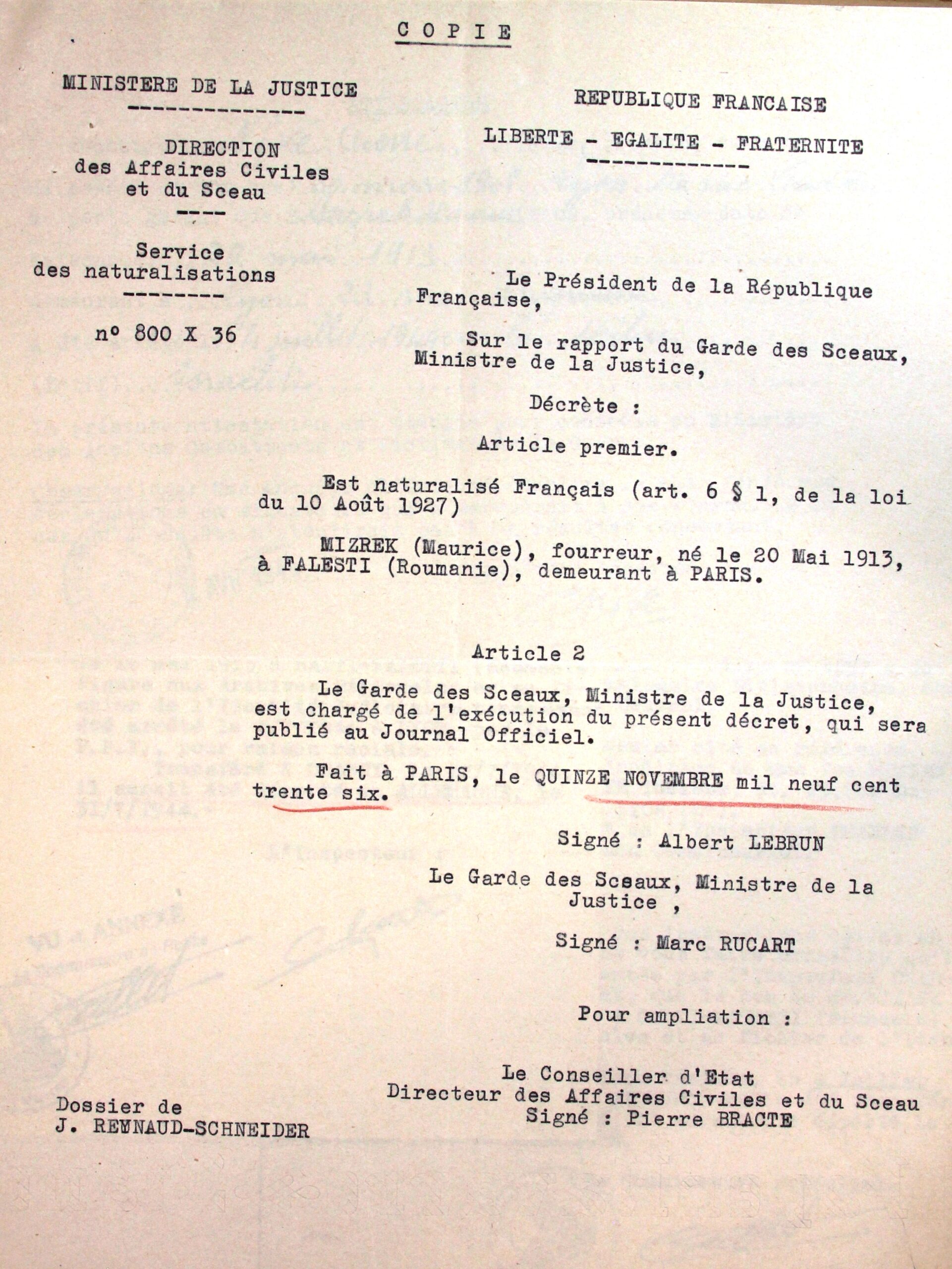
Maurice was born on May 20, 1913 in Fălești. He was listed as living with his parents in the 1931 and 1936 census records. He was naturalized as a French citizen on November 15, 1936. He too worked in the fur trade. In October 1937, he did his national service.
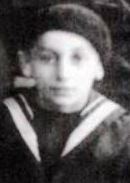
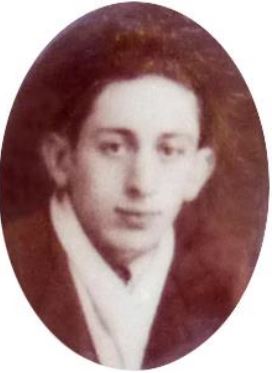
1922 / 1928
8. Elise (Itlea) Mizrah
Elise was born in Bălți on March 16, 1915. A fur machinist by trade, she was still living with her parents when, on June 4, 1938 in the town hall of the 10th district of Paris, she married Jules Henri Carabin, who worked in the Paris stock exchange.
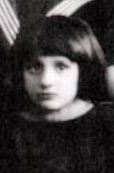
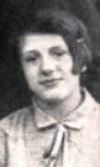
1922 / 1928
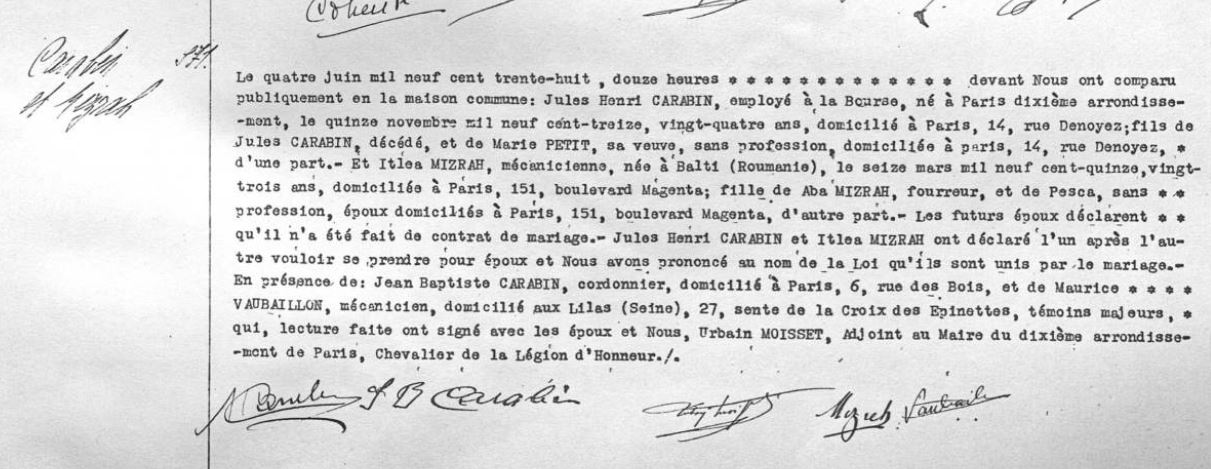
Jules Carabin and Itlea Mizrah’s marriage certificate, dated 1938 – Civil registry of the 10th district of Paris
9. Miriam Mizrah
Miriam [32] was born in Bălți on October 19, 1917. On November 26, 1936, she married a printer born in Algiers, Georges Ghighi or Benguigui[33] in the 10th district of Paris.
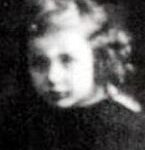
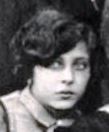
1922 / 1928
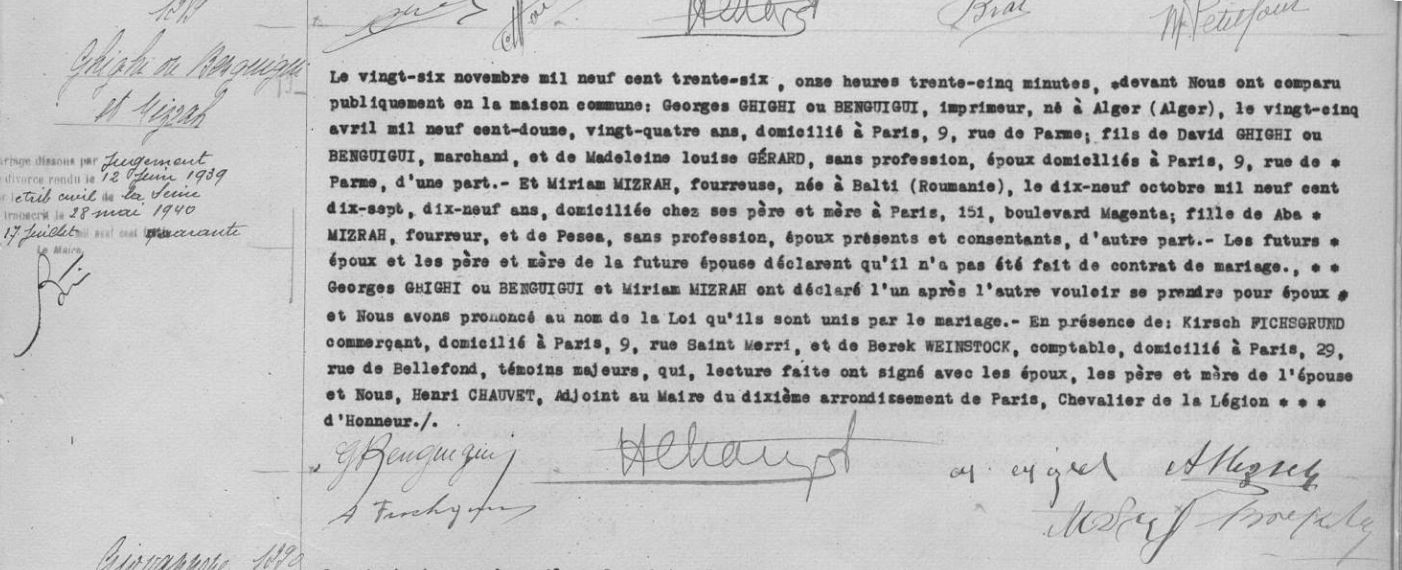
Georges Guigui or Benguigui and Miriam Mizrah’s marriage certificate, dated 1936 Civil registry of the 10th district of Paris
10. Robert (Zacharie/Isaac) Mizrah
Robert [34] was born on June 25, 1919 in Bălți. When he was just 13, he left school of his own volition and went to work in his father’s workshop. As he was underage, he was naturalized as a French citizen along with his parents on September 29, 1938.
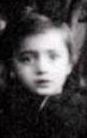
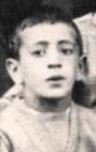
1922 / 1928
11 et 12. Madeleine and Jacques Mizrah
Madeleine and Jacques, Aba and Peissa’s last two children, were born on February 20, 1920, in Milan, Italy. Very soon afterwards, the whole family moved to Paris.
Little Madeleine died when she was just 4 years old, on November 16, 1924 in the Cochin hospital in the 14th district of Paris. She is buried in the Bagneux cemetery in Paris.
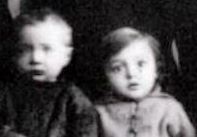
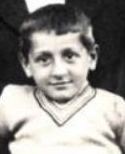
1922 / 1928
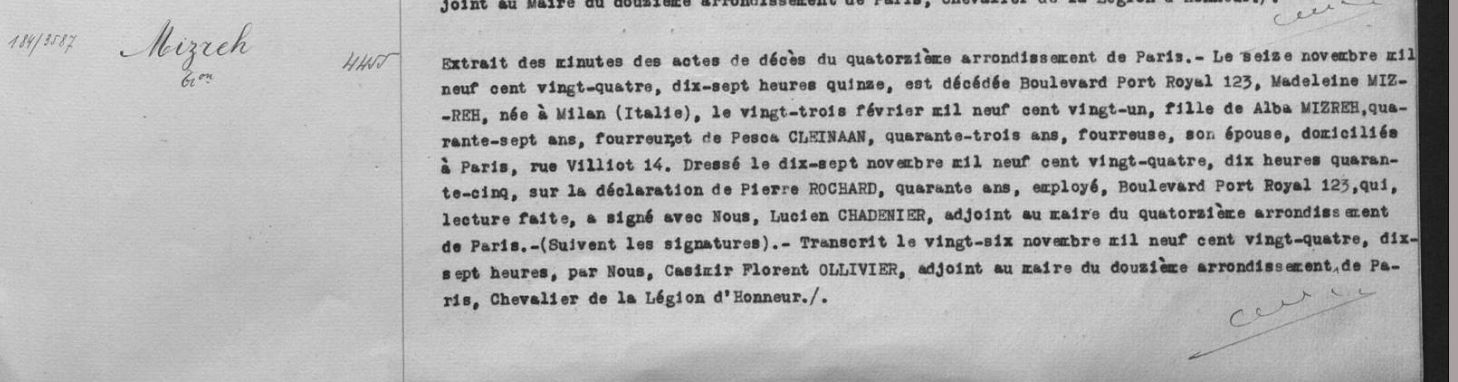
Madeline Mizreh’s death certificate, dated 1924 – Civil registry of the 14th district of Paris
Jacques was naturalized as a French citizen on September 29, 1938, at the same time as his parents and his older brother Robert.
The various places in Paris where the family lived
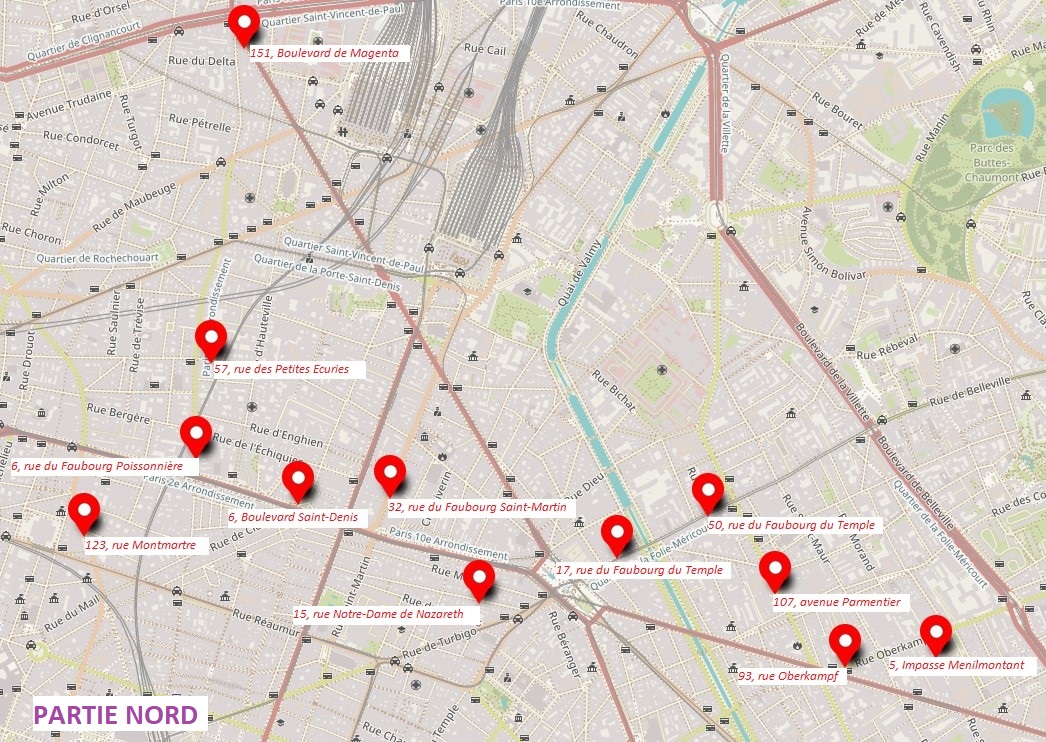
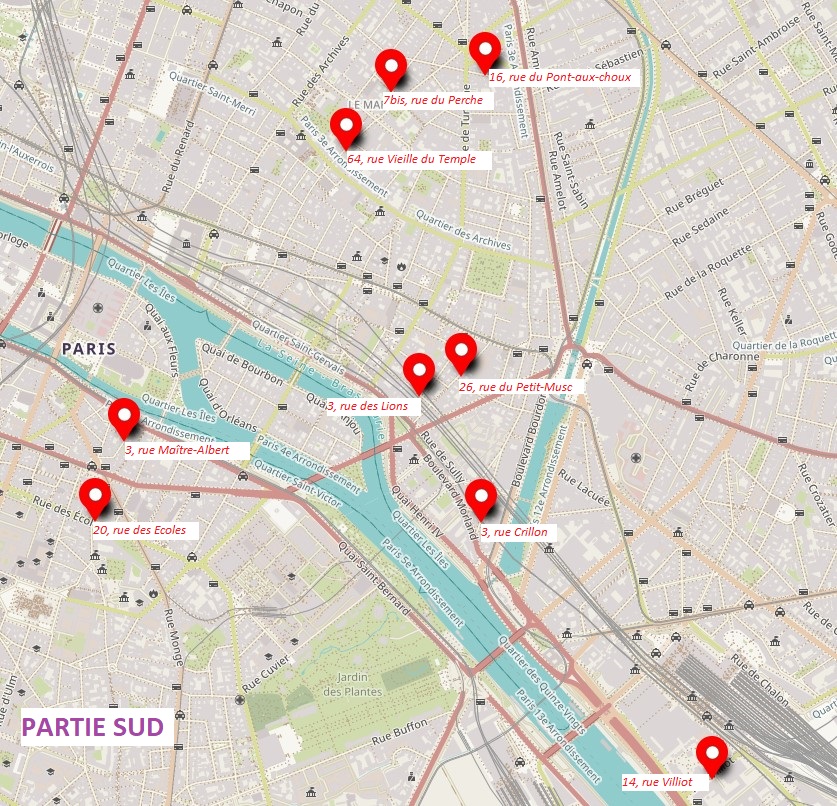
Maps made on framacarte.org
II. THE FAMILY’S LIFE DURING THE SECOND WORLD WAR
So far, we have described each member of the family individually. However, after the Second World War began, their lives converged as most of them left Paris and moved to Lyon, in the Rhone department of France, where they all lived and worked together. We are now going to follow their lives chronologically, based on all the records and other information we have gathered.
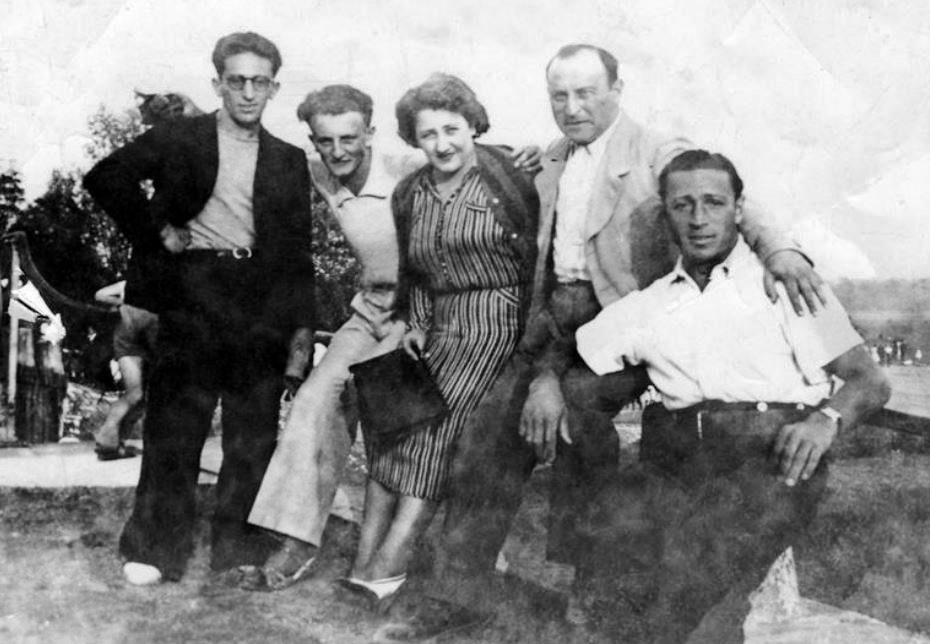
A family photo taken in the carefree days soon after the beginning of the Second World War: Maurice Mizrek, Maurice Krotenberg, Peila and Michel Krotenberg, Henri Mizrah
1939
When war was declared on September 1, 1939, most of the family was living in Paris, and two of them signed up as volunteers: Emile and Rose’s husband, Jankiel Lendower, who joined the Foreign Volunteer Marching Regiments. He was awarded a Certificate of Good Conduct in 1940. The family members who had been naturalized as French citizens were called up for military service.
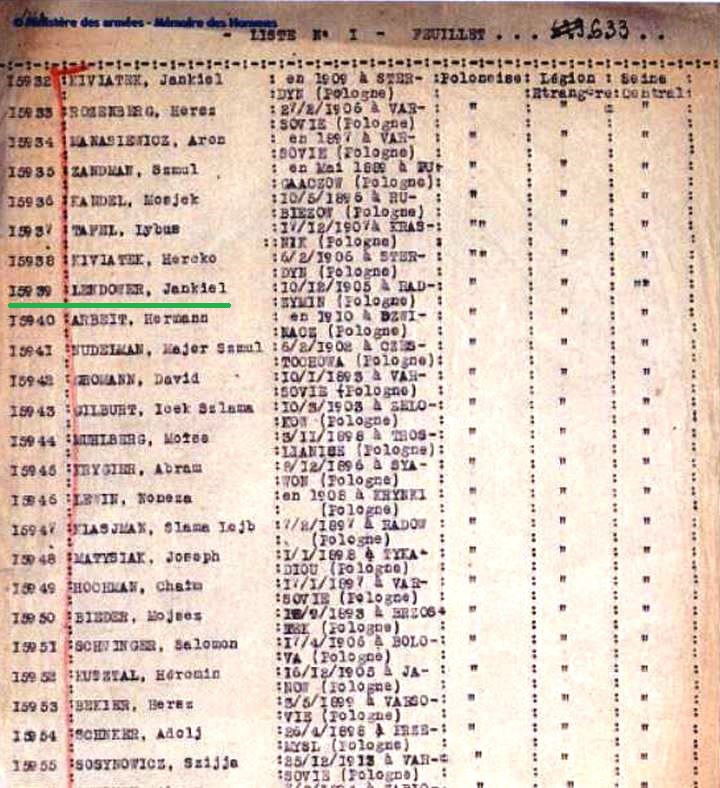
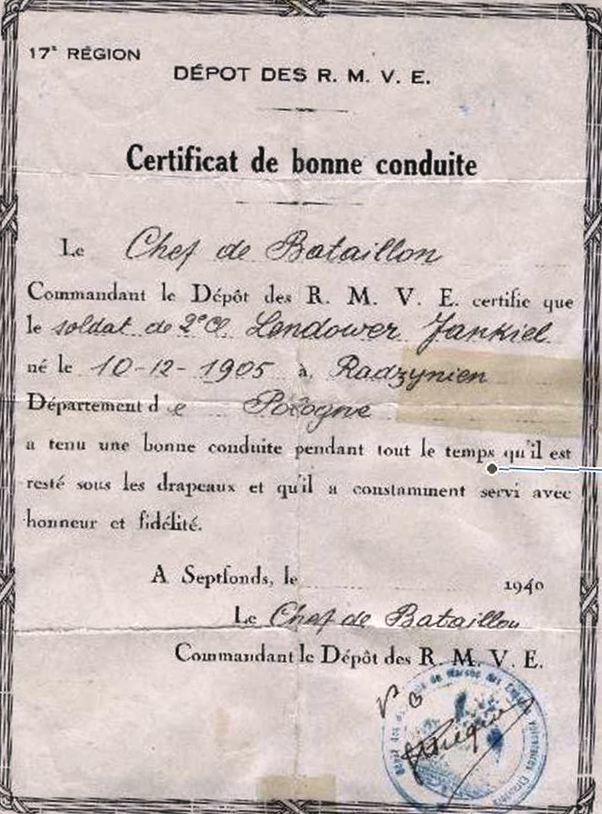
List of volunteers and Certificate of Good Conduct
1940
We have very little information about what the family did in 1940: Maurice Mizrek, who was serving in the 80th Infantry Regiment based in Metz, was wounded by shrapnel on June 9, 1940, in the Aisne department of France. He was transferred from hospital to hospital in cities all over the country: Sens, Bordeaux, Perpignan and then Lyon. He was demobilized on September 9, 1940[35]. As for Emile, he was taken prisoner by the Germans.
1941
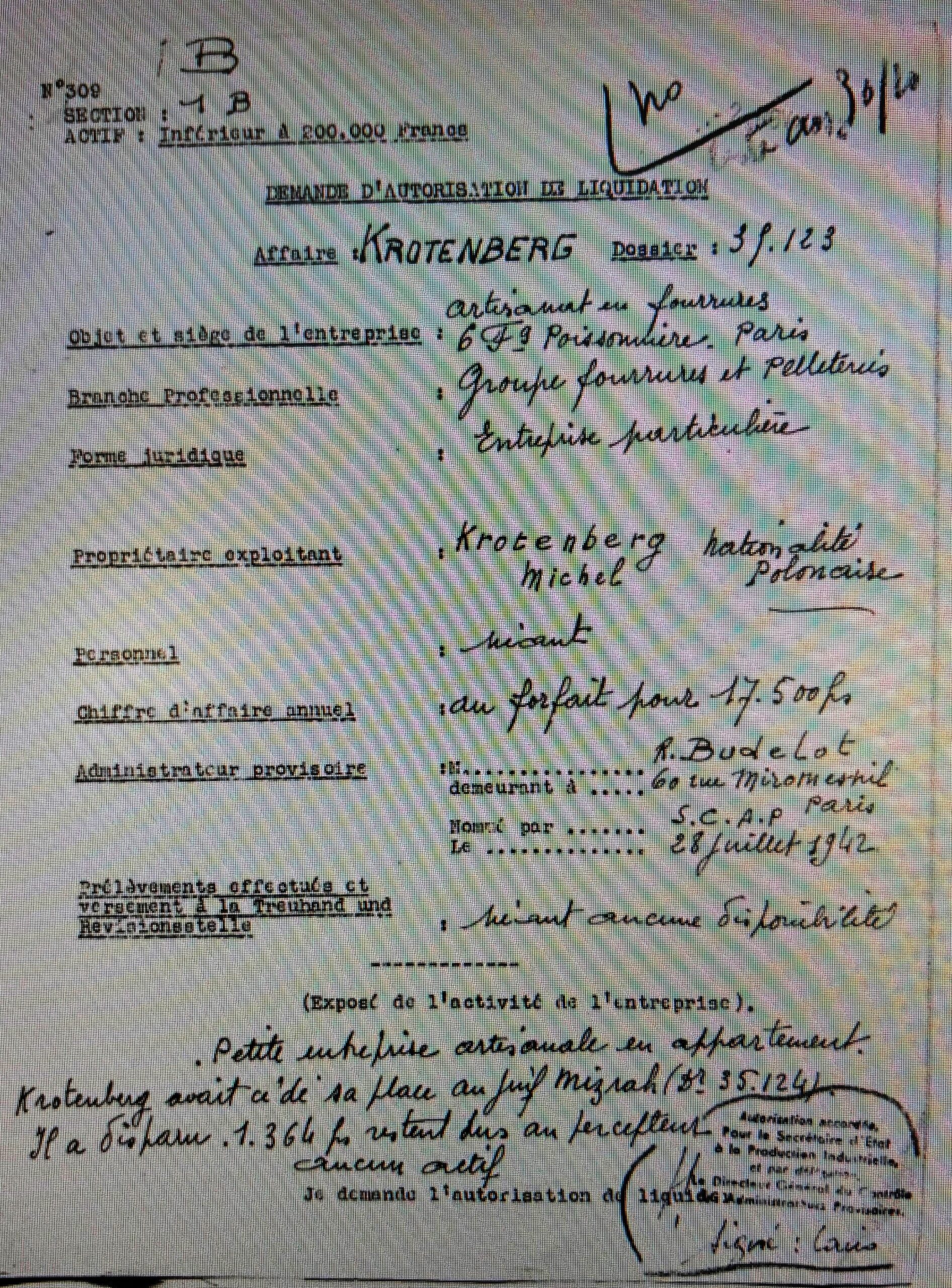
From the Aryanization file for Michel Krotenberg’s business at 6, rue du
Faubourg Poissonnière – Shoah Memorial, Paris – ref. AJ 38/1724 dossier 35123
In January 1941, according to new legislation passed by the Vichy regime, Michel Krotenberg lost his French citizenship, which he had been granted in May 1939. As a result, classified as a “foreign Jew,” he was a risk of losing his business at 6 Rue du Faubourg-Poissonnière. Presumably in the belief that it would be safer[36], he arranged for the business to be taken over by his brother-in-law, Henri Mizrah, given that he was a “French Jew”. He had been living at 226 Rue Saint-Denis in the 2nd district of Paris but at this point, he moved into Michel’s apartment. On January 4, 1941, Henri, who had been divorced since 1939, married Simone Collange, a non-Jewish seamstress, in the 20th district of Paris. He gave his address as 6 Rue du Faubourg Poissonnière in the 10th district.
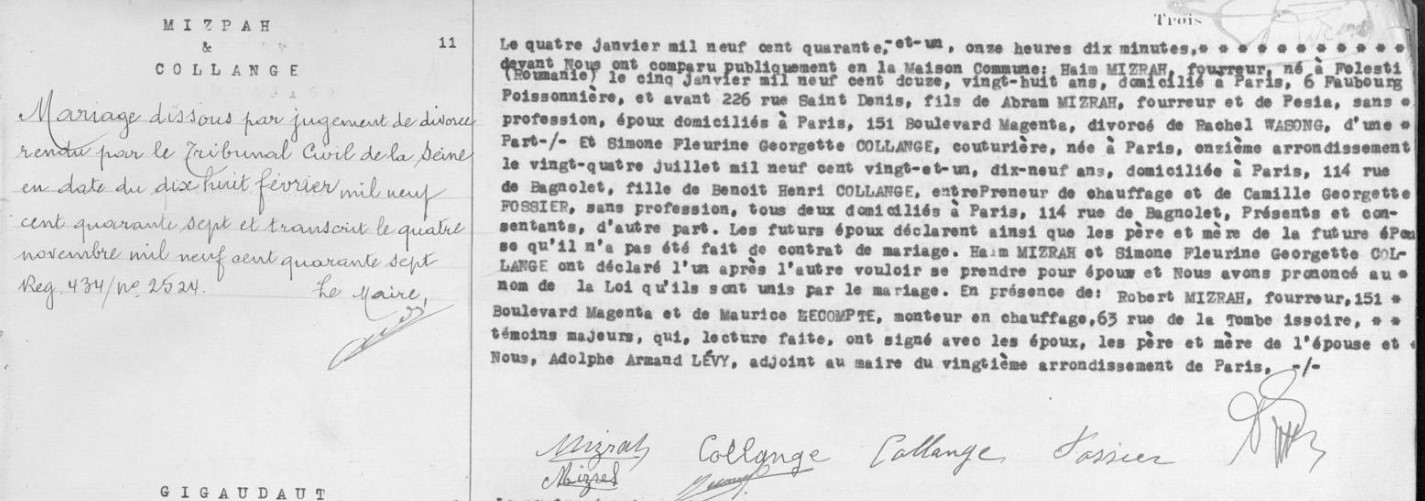
Haïm Mizreh and Simone Collange’s marriage certificate, dated 1941 – Civil registry of the 20th district of Paris
As ever more policies that discriminated against Jews were rolled out, the family came under increasing threat.
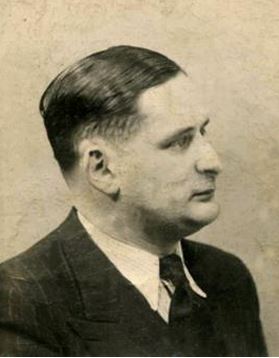
Jankiel Lendower was the first of the family to be arrested. It happened on May 14, 1941, during the “green ticket” roundup, the first mass arrest of Jewish men carried out by the Vichy regime. He was taken to the Japy gymnasium in the 11th district of Paris, then transferred to the Pithiviers camp in the Loiret department of France, where he was interned in barrack No. 6.
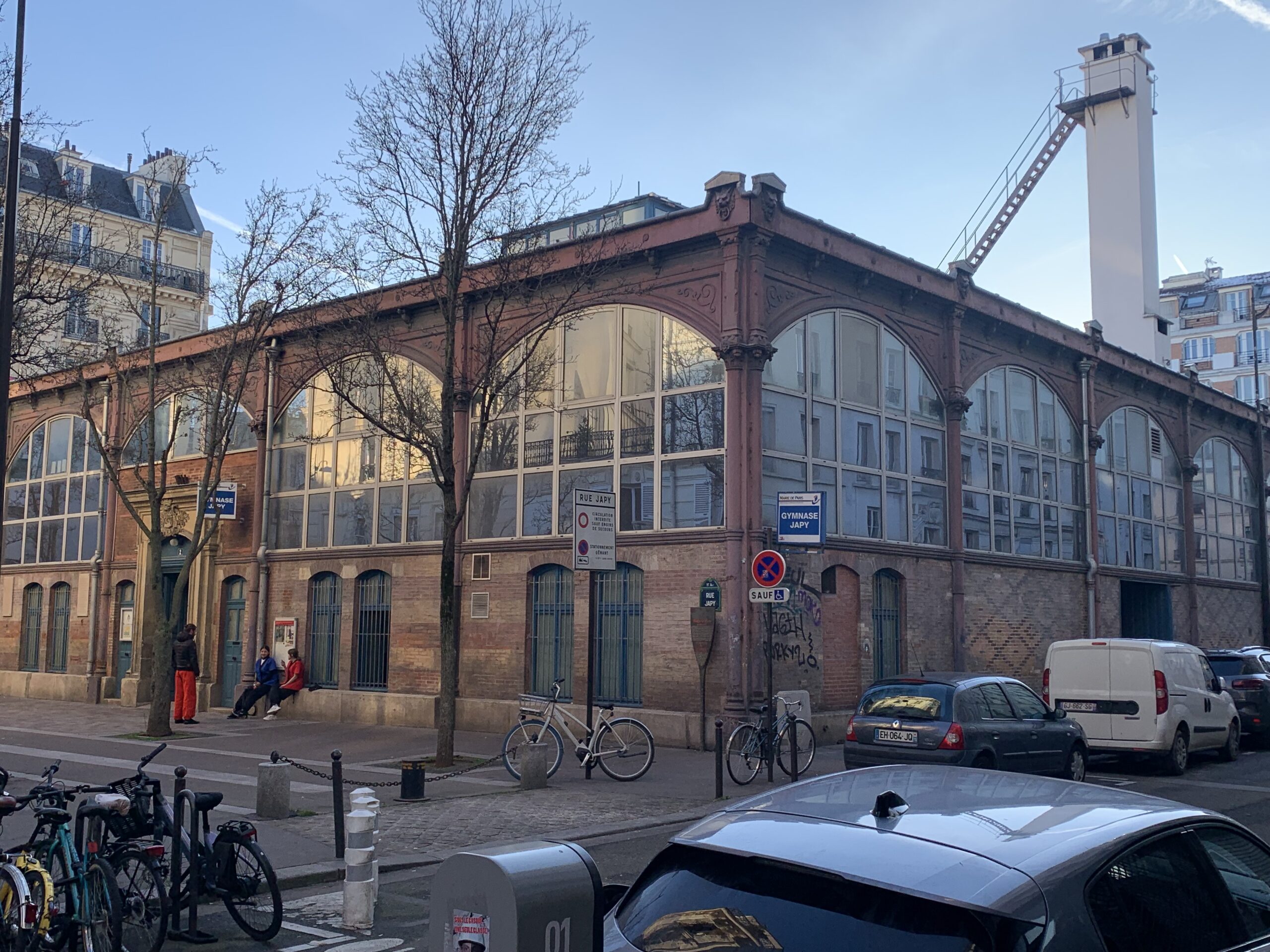
The Japy Gymnasium in the 11th district of Paris – our own photo.
It was used as a gathering place for Jews from the eastern districts of Paris prior to their transfer to Drancy or the camps in the Loiret department
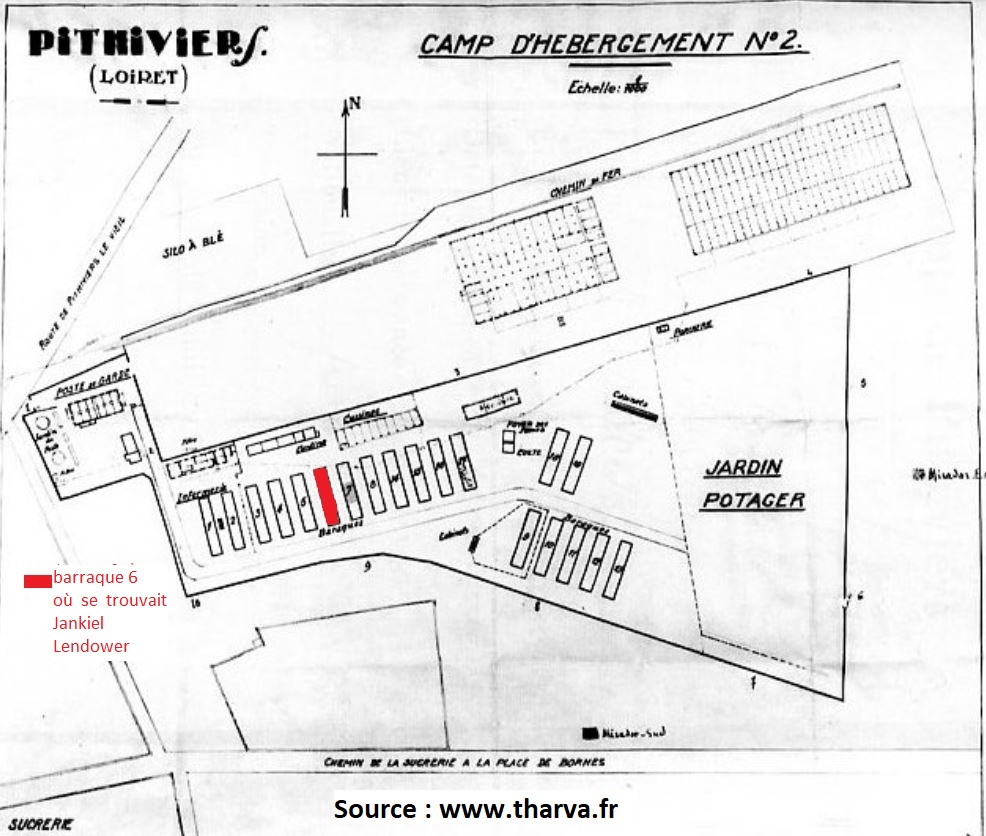
His registration form for Pithiviers includes the following details: A physical description (long face, blue eyes, very high forehead, thick hair). He was wearing a navy blue jacket, khaki canvas pants, a beret, and boots. There is also a note stating that he had a foreign accent.
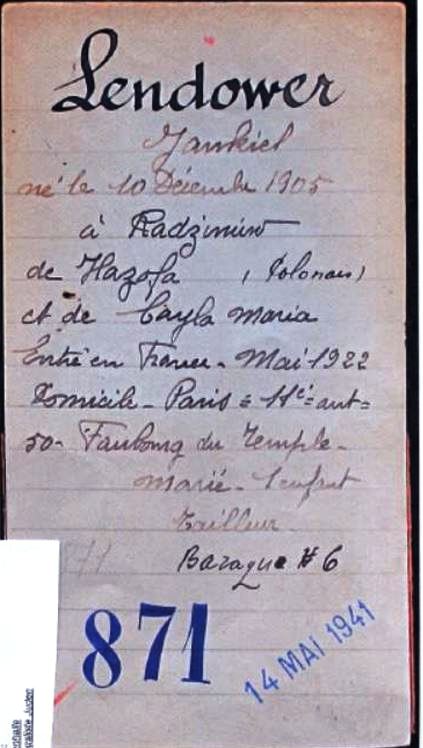
Jankiel Lendower’s registration form from the Pithiviers camp – Shoah Memorial, Paris
Were any other members of the family sent the infamous “green ticket” notice ordering them to report to the authorities for a “status review”? We do not know. One thing is certain though: Jankiel was still a Polish national: he had never been naturalized as a French citizen.
On June 8, 1941, Maurice Mizrek married Thérèse Hacker, who was born in Austria, in the town hall of the 5th district of Lyon. Their marriage certificate is particularly interesting as it reveals that Maurice Mizrek and Michel Krotenberg were both living in the city at the time, at 6 Grande rue des Feuillants.
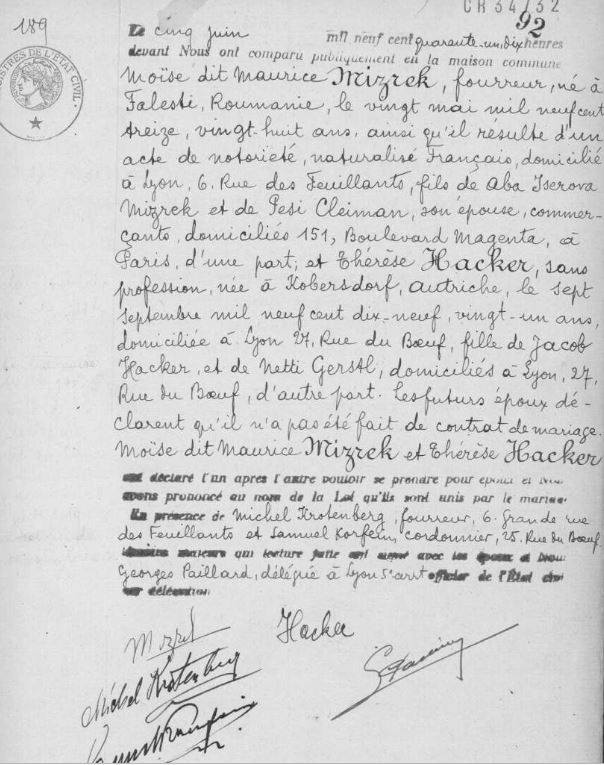
Maurice Mizrek and Thérèse Hacker’s marriage certificate, dated
1941 – Civil registry of the 5th district of Lyon
At that time, however, Aba and Peissa were still listed as living at 151 Boulevard Magenta in Paris, though not for much longer. On June 12, Aba’s business was also “Aryanized”, and a temporary administrator by the name of Froger was appointed to run it.
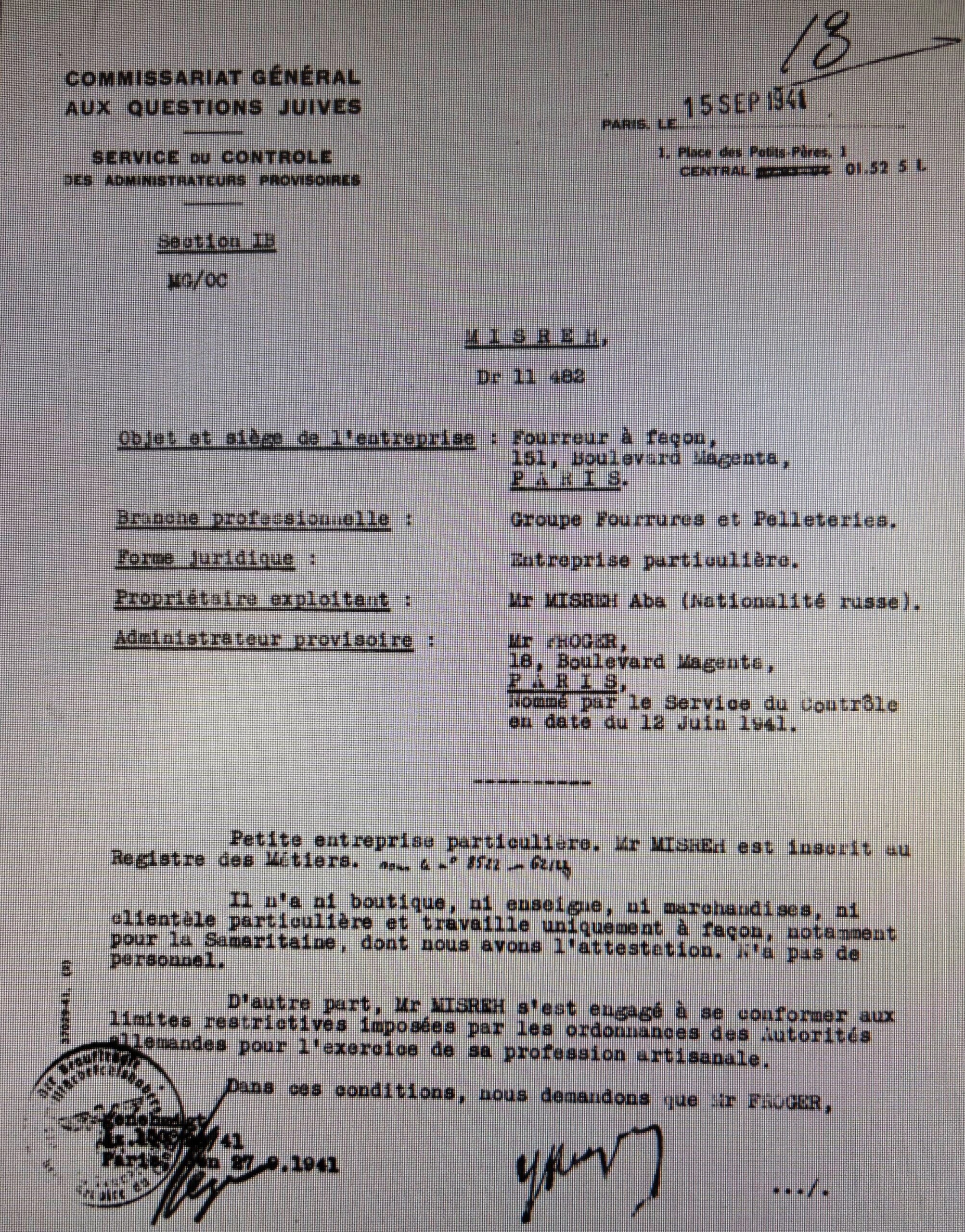
Aryanization file for Aba Mizreh‘s business at 151, Boulevard Magenta
Shoah Memorial, Paris – AJ 38/1628 dossier 11 482
According to a letter from the Commissariat Général aux Questions Juives (General Commissariat for Jewish Affairs), Aba initially agreed to comply with the new legislation: he was no longer allowed to have a store, a sign outside, any stock or any private customers. He could only work “on contract” for La Samaritaine.
He had been stripped of his French nationality, that he had been granted in September 1938, so was once again deemed to be a Russian citizen.
That same year, Maurice Mizrek and his sister Paulette Krotenberg registered a fur business in their names. It was called “Au Tigre Royal” (“The Royal Tiger”) and based at 23 Rue Duquesne in Lyon. There were several fur other fur stores in France of the same name (the oldest, in Lorient, in the Morbihan department, opened in 1885), but we do not know if there was any connection between them. Did Maurice and Paulette run the store themselves? it was obviously a much-needed source of income for the family.
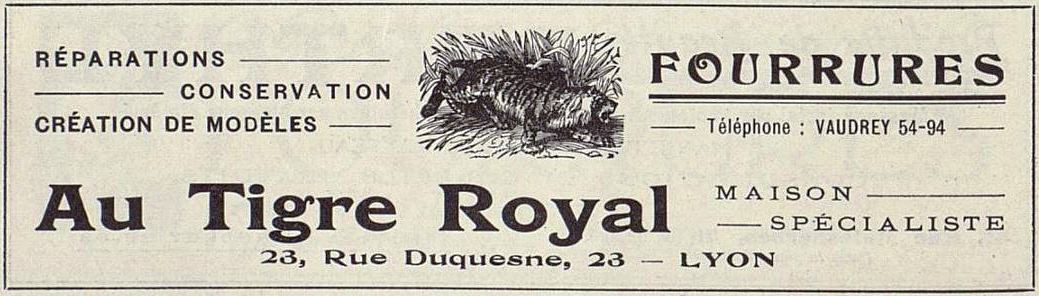
An advert for Maurice Mizrek and Paulette Krotenberg’s furrier business, dated 1929 – source: memoire.celestins-lyon.org
Not only did the firm have a retail store and a workshop, but it also had an apartment on the fourth floor of the building. Maurice and his wife lived there, and possibly also his brothers Joseph and Robert.
We do not know when or how the family managed to cross the demarcation line in order to escape to Lyon. They appear to have arrived over a period of time, and it is unclear when they first moved to Grande rue des Feuillants, but a number of family members ended up living there. Whatever the case, the marriage certificate confirms that by June 1941, some of the family had fled to Lyon. This is corroborated by a record in Rose’s file, which states that she was living in Lyon by September 1941. There is good reason to believe, although there is no definitive proof, that the entire Mizreh family had left Paris by the end of 1941. From that point on, Paulette Krotenberg took responsibility for the children, even arranging for some of them to stay with other families to keep them safe. Aside from her own son Maurice, this included Rose’s son Georges, and both of Joseph’s sons.
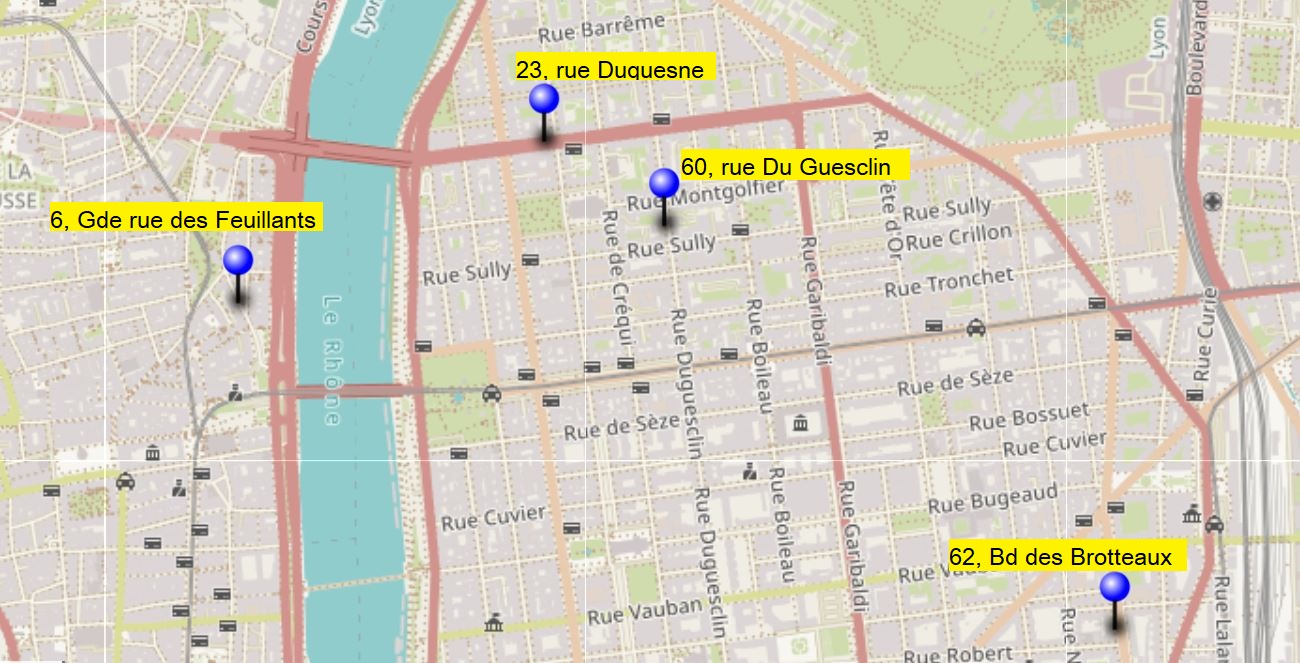
The places in Lyon where the Mizreh family lived and worked – Map made on framacarte.org
Meanwhile, in July 1941, Jacques, the youngest of the siblings, was away at a youth work camp in Le Châtelard, in the Savoie department of France.
1942
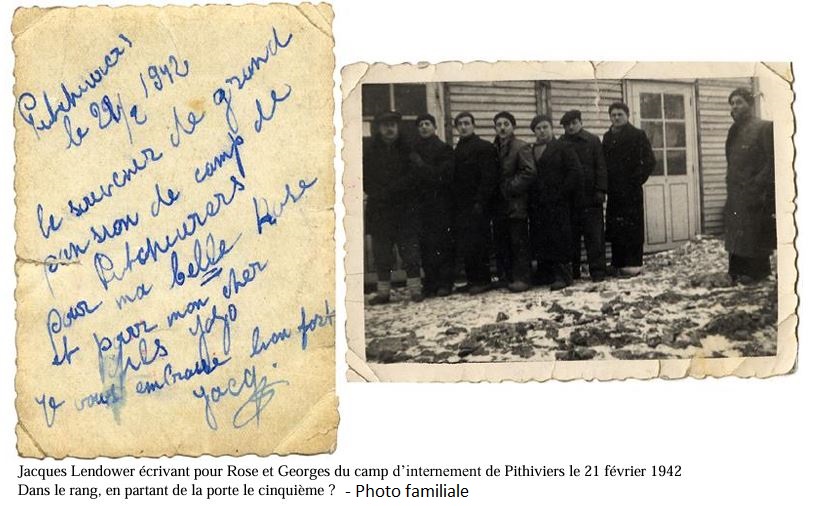
The photo that Jacques Lendower sent to his wife Rose and son Georges from the Pithiviers camp.
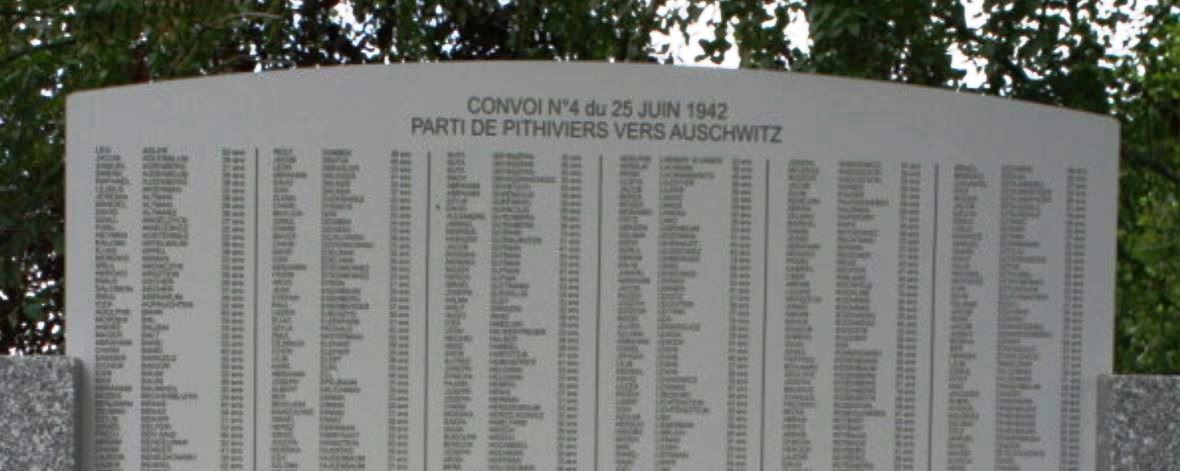
In February 1942, Rose received a photo of Jankiel, taken outside his barracks in the Pithiviers camp. Three months later, on June 25, 1942, aboard Convoy 4, he became the first member of the family to be deported to Auschwitz. This transport, which left directly from Pithiviers, was made up 999 foreign men. It left Pithiviers station at 6:15 a.m. and arrived in Auschwitz on June 27. Seven weeks later, 45% of them were dead.
When exactly did Jankiel die? His death certificate, which was entered into the civil register of the 11th district of Paris in 1947 (certificate no. 3013), states that he died in Pithiviers on June 25, 1942, i.e. the date on which the train set off for Auschwitz. However, this date is clearly incorrect because, as we now know, Jankiel arrived in Auschwitz on June 27, and was selected for forced labor and held in the camp, where he was assigned prisoner number 42,283. The court ruling was subsequently amended according a French decree passed on July 7, 1994, and published in the French Official Gazette[37] in August 1994. His date and place of death were then noted in the margin of his death certificate as June 30, 1942, in Auschwitz. We do not know what evidence was provided to prompt this correction (official records, eyewitness accounts, testimonies etc.), but it is difficult to believe, aside from the arbitrary treatment of prisoners in the camps, that a 37-year-old man could have died so soon after he arrived !
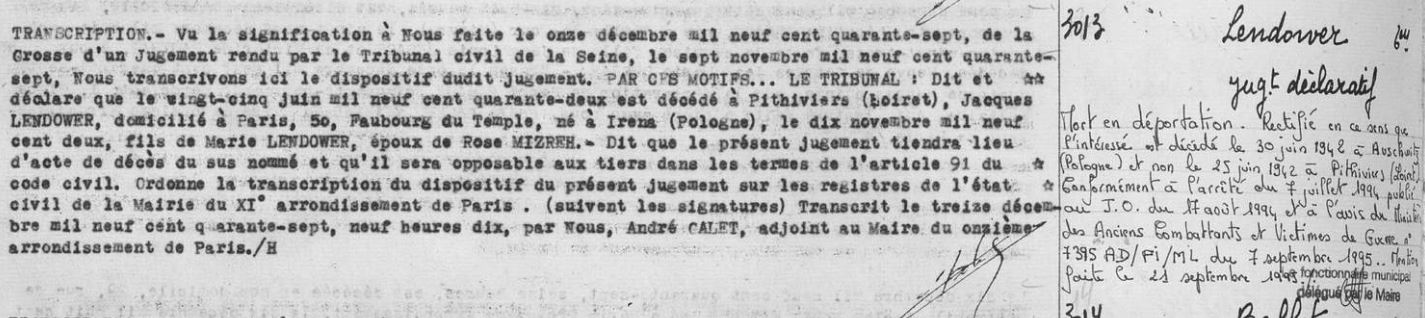
Jankiel Lendower’s death certificate – The entry in the civil register of the 11th district of Paris in December 1947
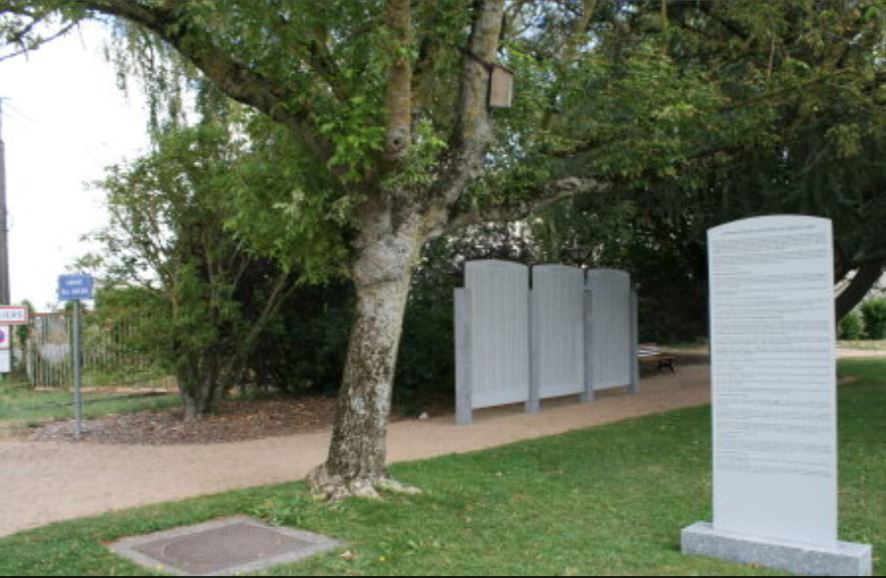
His name is inscribed on the Wall of Names at the Shoah Memorial in Paris. He is also listed on the memorial to the deportees from the Pithiviers camp.
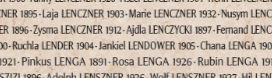

In July 1942, the business that Michel Krotenberg founded in 1934, which was then taken over by his brother-in-law, Henri Mizrah, in 1941, was “Aryanized”. The records state that both Michel Krotenberg and Henri Mizrah had left “leaving no forwarding address”[38]. A temporary administrator by the name of Roger Budelot was appointed on July 28; he struck the firm off the Commercial Register on October 5, 1942, and then dissolved it in November. The inventory list reveals the apartment’s humble contents: a sewing machine table, two workbenches, and a furrier’s block in the workshop, worth a total of 200 francs; a table, a bed, a wardrobe, four chairs, an electrical appliance, and three light fixtures with a total value of 2,000 francs in the bedroom; and a table and kitchen equipment with a total value of 300 francs!
On September 14 of 1942, the French Official Gazette announced that Maurice Mizrek and Paulette Krotenberg’s fur business had been “Aryanized”.
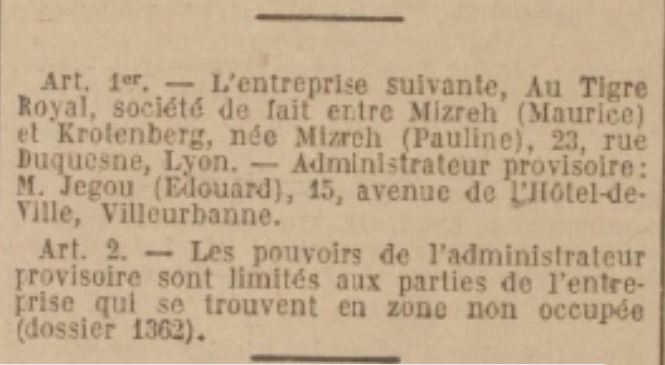
A detailed analysis of the chronology set out in the “Aryanization” file[39] highlights the reality of the Vichy government’s anti-Semitic stance, even though it was hidden behind a facade of supposed governmental “neutrality”.
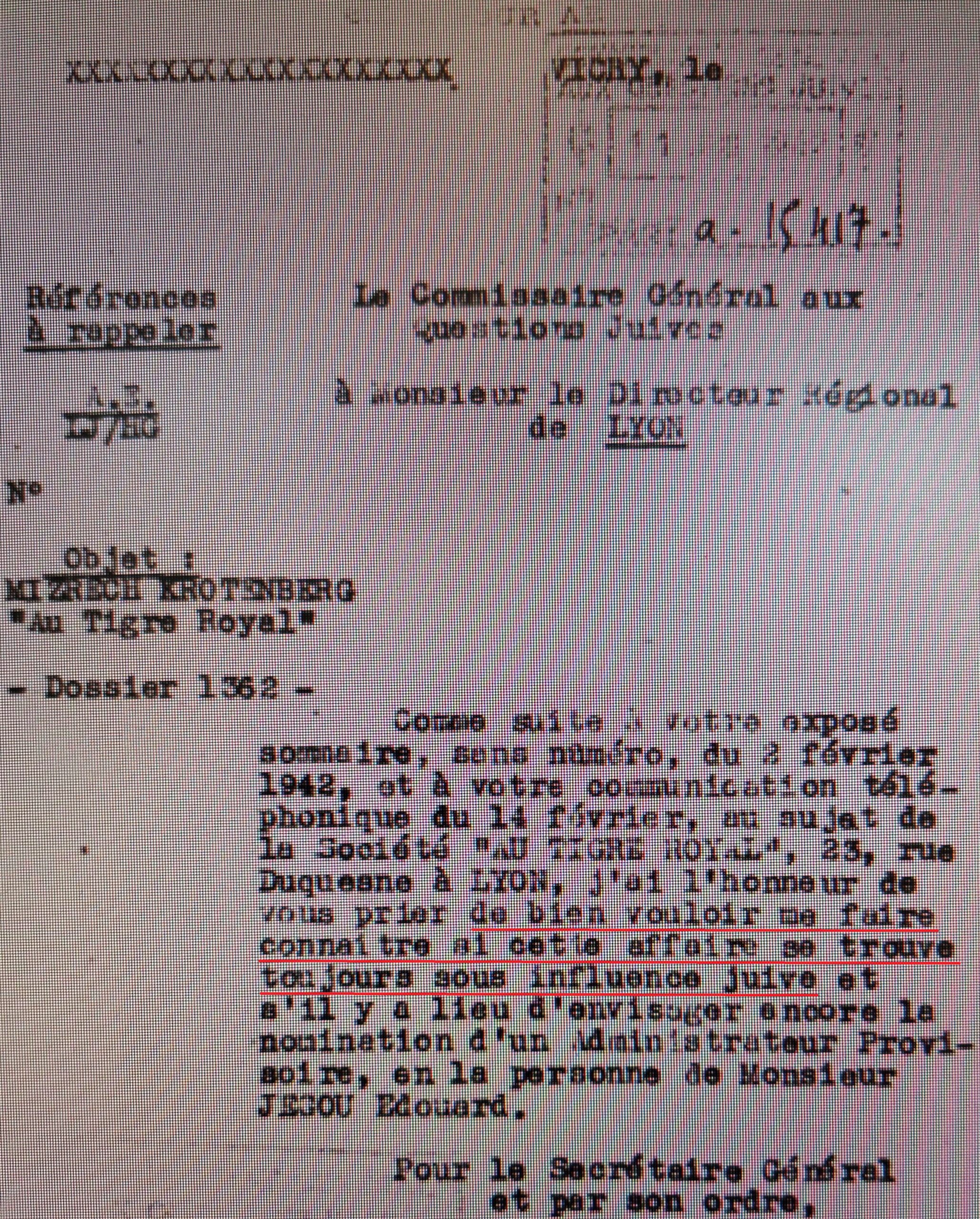
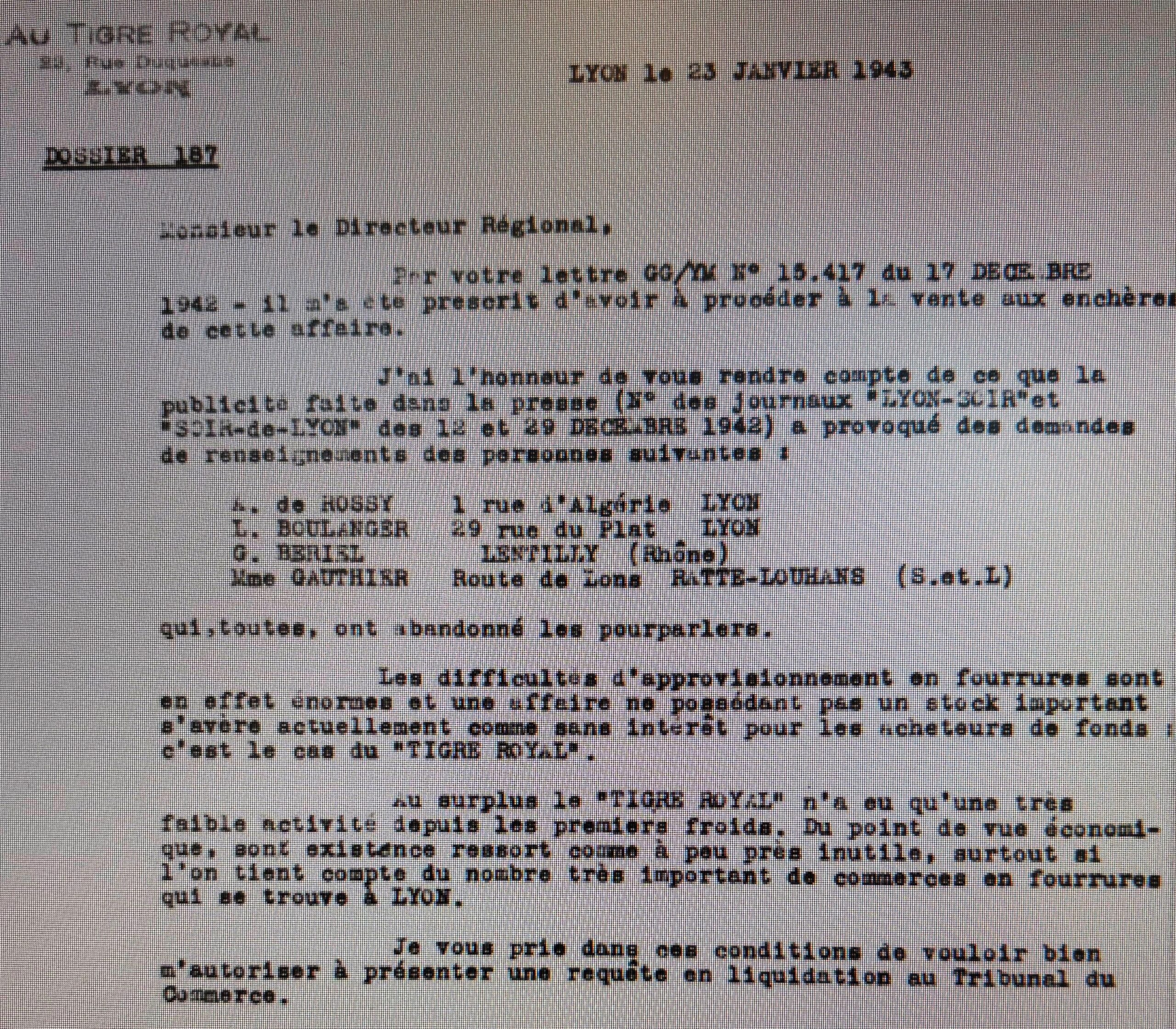
In a letter dated February 1942, the General Commissariat for Jewish Affairs asked its representative in Lyon to let it know whether “Au Tigre Royal” was “still under Jewish influence.”
The reply must have confirmed this, so they decided to appoint a new temporary manager, Edouard Jegou, from Villeurbanne, a suburb of Lyon. The firm was said to be based at is 23 Rue Duquesne, but also had a branch at 16 Rue du Pont-aux-Choux in Paris… which, as we mentioned previously, was in fact the address of Henri’s workshop.
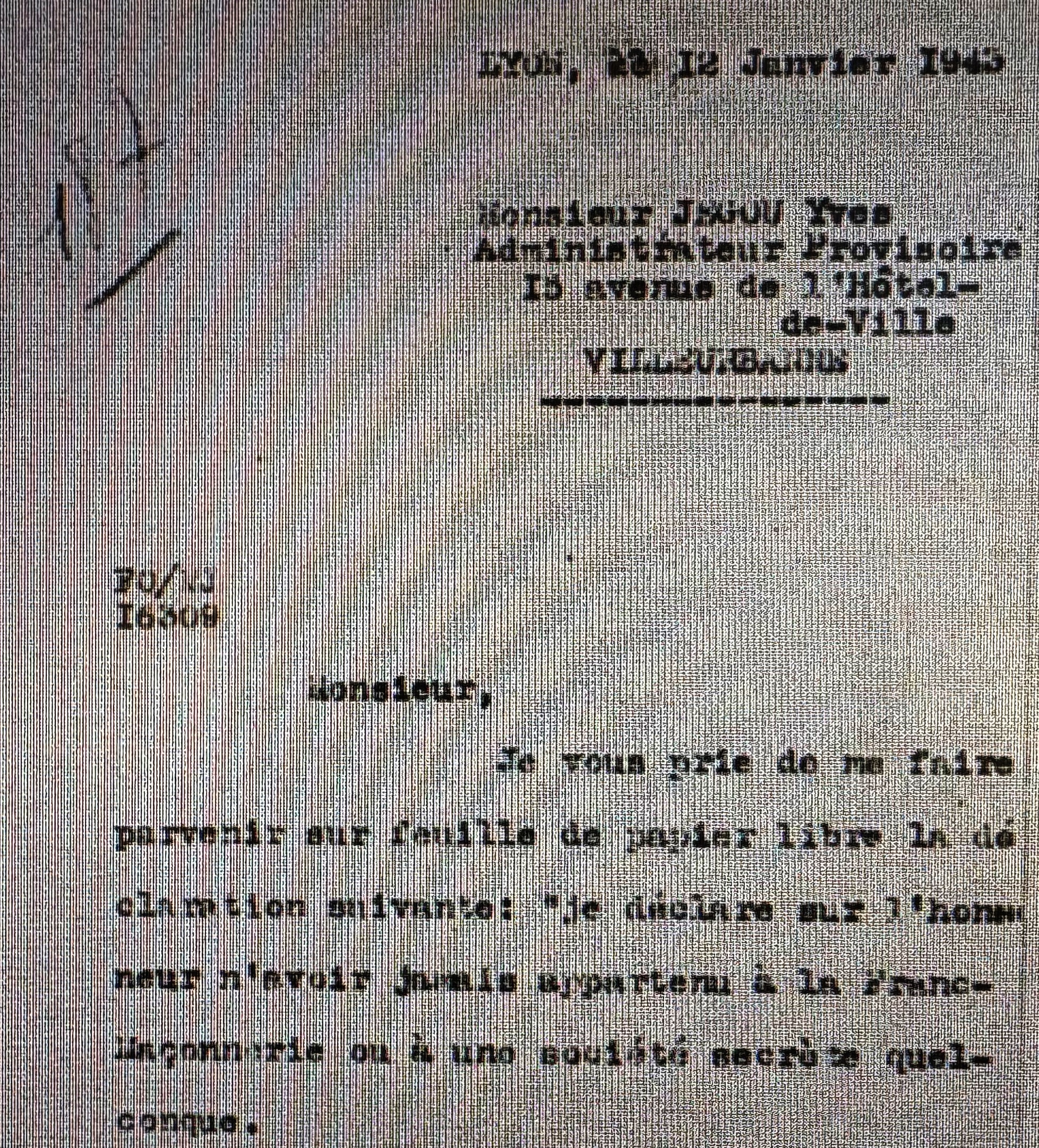
The authorities sought to determine whether the proposed administrator was “of good character” and required him to “swear on his honor that he had never been a Freemason or a member of any other secret organization”.
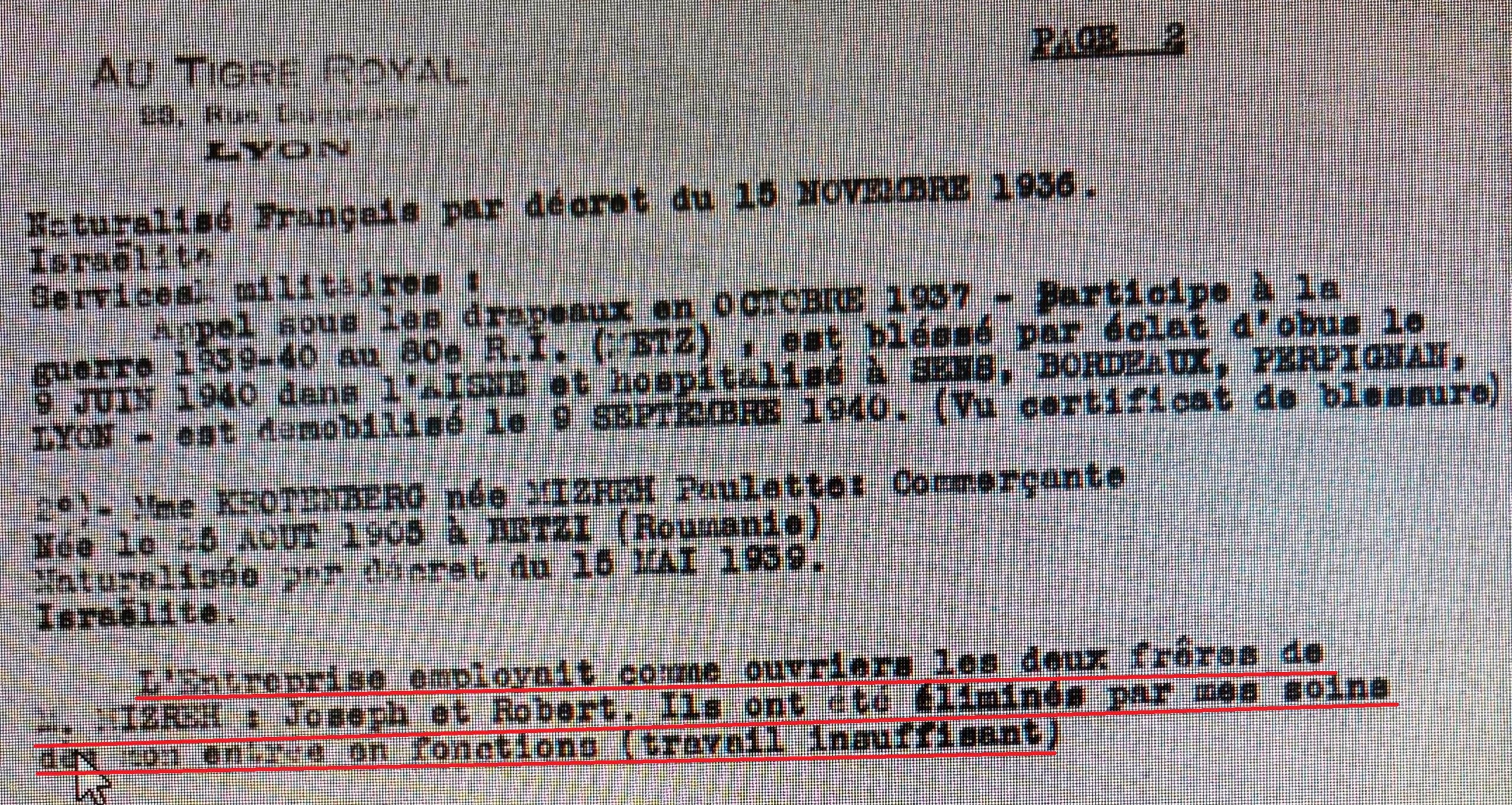
After providing his personal details, the enthusiastic administrator reported that Maurice and Pauline’s company “employed Mr. Mizreh’s brothers, Joseph and Robert. I dismissed them[40] as soon as I took over (for poor performance).”
An inventory of the contents of the workshop was then drawn up and included: one sewing machine, two cabinets (one of which had a glass door), a counter table, two display tables, a metal filing cabinet, a workshop table, five workbenches, a fur barrel, two chairs, and two stools.
Another inventory was made of all the pelts in stock at the time. It was quite an exotic selection, as it included nine opossum pelts, a piece of fox pelt on sale, part of a seal pelt, a lynx pelt, a batch of coypu pelts, and a monkey pelt !
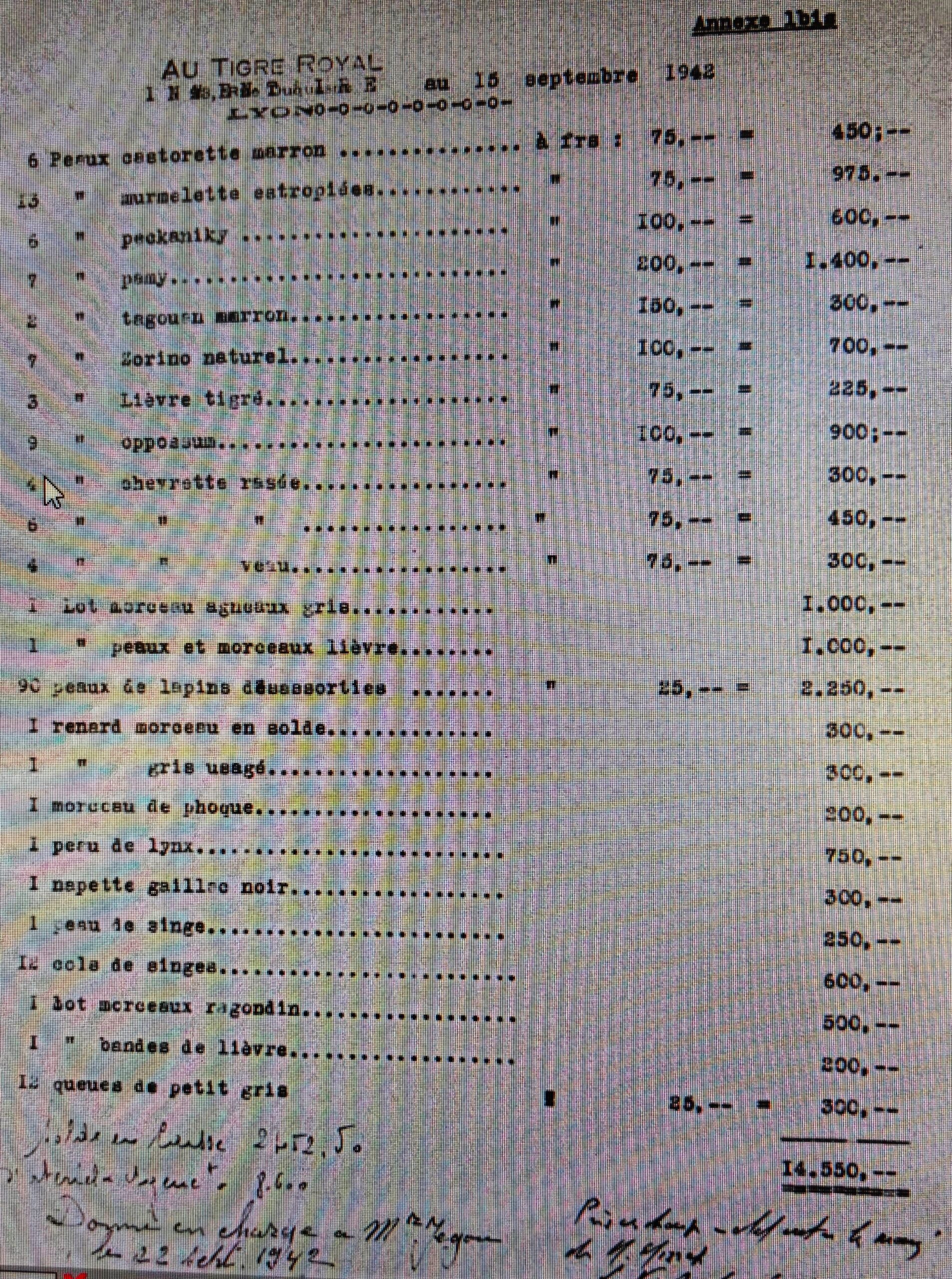
The temporary administrator then set about finding an “Aryan” buyer. The process dragged on until July 1943. A series of letters document the challenges he encountered: deterioration of the pelts, enormous difficulties in sourcing new stock, low demand and the large number of similar businesses already operating in Lyon. He advertised in local newspapers in order to try to find a buyer, but few were interested, and those that were soon pulled out of the negotiations. The only solution left was to wind up the business , so a receiver was appointed, a Mr. Madignier. The business was officially closed down on February 16, 1943.
On November 11, 1942, following the Allied landing in North Africa, the Germans invaded the so-called “Free Zone” in the southern part of France: this obviously put the Jews who had sought refuge there in even more danger. At the very end of 1942, Rose, on principle but no doubt also spurred on by the fact that there had been no news of her husband, joined the Resistance. Later records reveal that she joined the Front National, a French internal resistance movement founded by the Communist Party in 1941, on December 31, 1942. We also know that at around the same time, she became actively involved in the UJRE (Union des Juifs pour la Résistance et l’Entraide, or Union of Jews for Resistance and Mutual Aid), which was affiliated with the MOI (Main d’œuvre immigrée, or Immigrant Labor Force) also recently founded by the Communist Party.
Based on the documents in our possession, Rose’s involvement in the Resistance ranged from acting as a liaison agent and courier for the National Front, distributing leaflets and posters urging people to resist, supplying ration cards to the maquis (local Resistance units), hiding and sheltering Jewish children whose parents had been arrested, to collecting clothing and buying food for them.
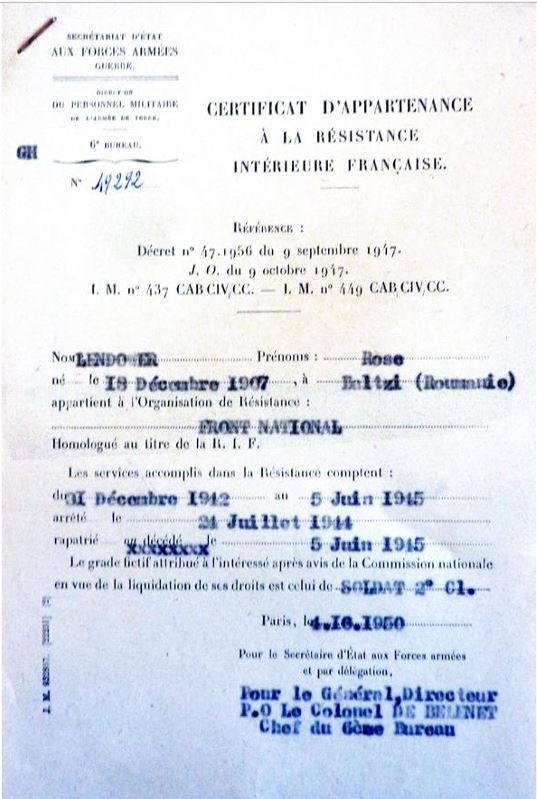
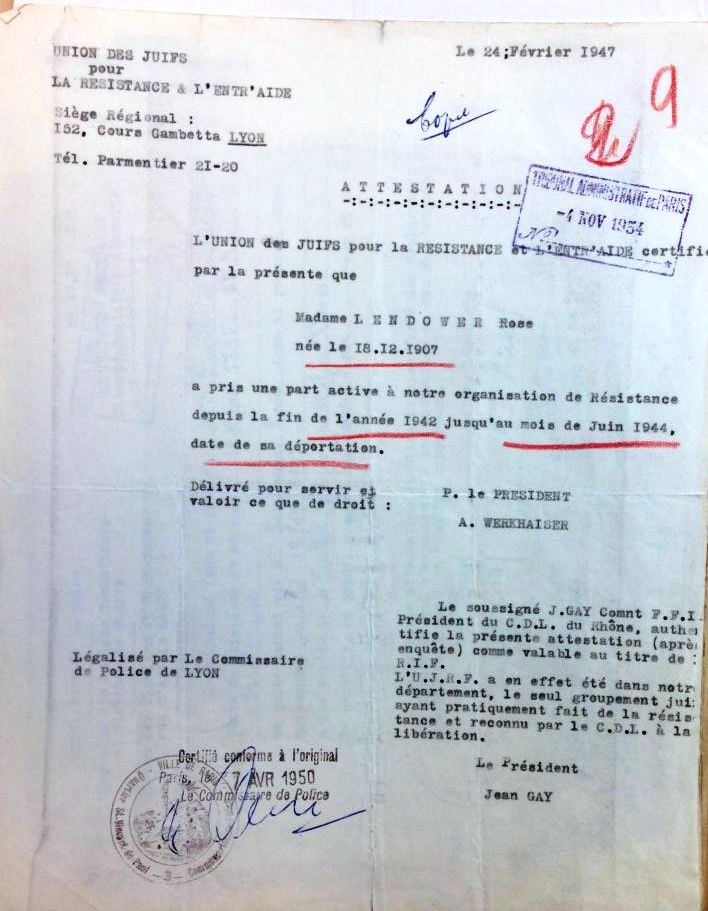
She continued her Resistance work right up until she was arrested.
1943
Even in such difficult circumstances, and although it may seem surreal to us today, life went on: on April 1, 1943, Maurice Mizrek and Thérèse Hacker had their only daughter, Liliane, whose birth was registered at the town hall in the 6th district of Lyon.
On April 20, while they were out of town, the Germans raided their apartment at 151 Boulevard Magenta in Paris. By April 29, a new tenant had moved in, one who was more “in line” with the racist policies of the time[41].
In May, Jacques, who refused to join the STO (Service de Travail Obligatoire, or Compulsory Work Scheme) had to go into hiding. Meanwhile, on May 26, Robert set out on a journey about which we know only a few snippets: he wanted to join the FFL (Forces Françaises Libres, or Free French Forces) and the French Army Africa, but was arrested in Perpignan in the Pyrénées-Orientales department of France, near the border with Spain. He was interned in the Compiègne camp, then in Drancy[42], bur was released on the grounds that he was the spouse of an Aryan woman. Someone (we do not know who) then arranged for him to go to Cherbourg, on the north coast of France, at which time he reportedly managed to escape[43].
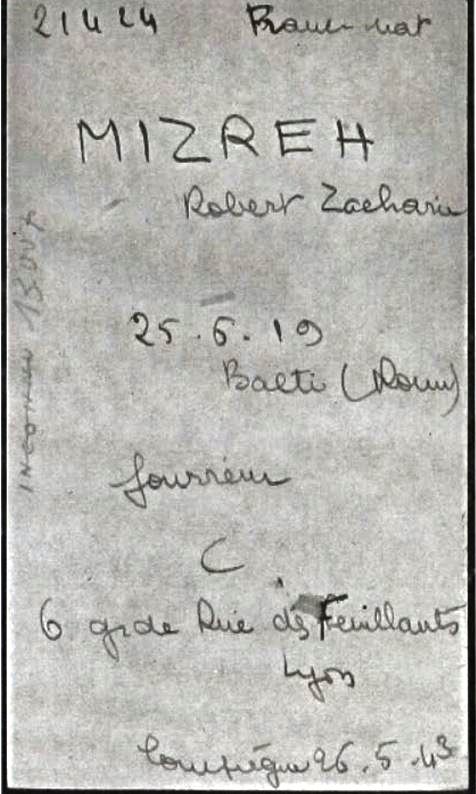
Robert Mizreh’s registration card from Drancy camp. The letter C, which stood for Célibataire, meant that he was single – Shoah Memorial.
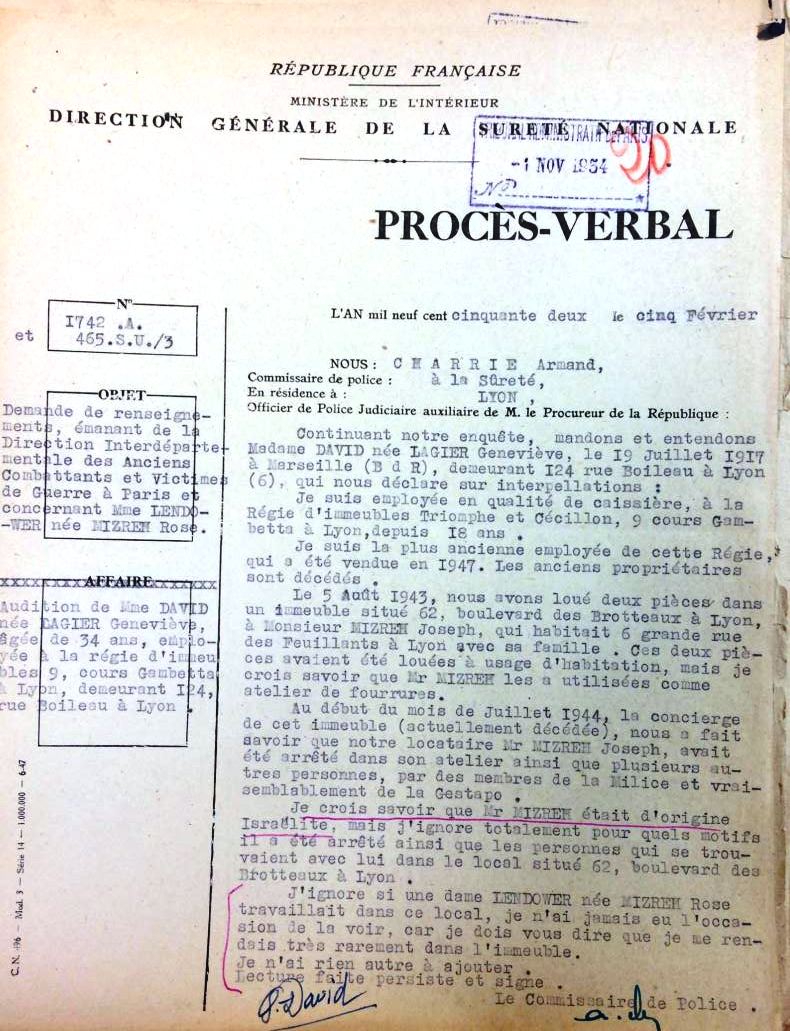
On August 5, 1943, Joseph Mizreh rented a two-room apartment[44] rom Mrs. Geneviève David in a building at 62 Boulevard des Brotteaux in Lyon[45]. he family, who were still living at 6 Grande rue des Feuillants, used this apartment, which was intended solely for residential use, as a covert fur workshop.
At around the same time, Jacques joined the Resistance: in August, he was among a group of six or so members of the local Resistance unit in Flayat, in the Creuse department of France.
1944
On May 21, 1944, on Mother’s Day, Georges, who was 13 at the time, wrote a letter to his mother, Rose. Amid the standard expressions typical of this type of letter, it reads “I pray fervently that you may receive all the blessings you could ever wish for and that my poor father returns home soon,” proof, if any were needed, that the family had no idea what had become of Jankiel.
On July 4, 1944, as the Battle of Normandy raged on, no doubt filling the Mizreh family with hope, the French Militia descended on the workshop at 62 Rue des Brotteaux and arrested Joseph Mizreh, Maurice Mizrek, Michel Krotenberg and Rose Lendower. The three men all had identity papers that identified them as Jews. Rose, meanwhile, who had forged identity papers, nevertheless made it clear to the men who came to arrest them that she too was Jewish[46]. The following day, they were all taken to the notorious Montluc prison in Lyon, where they were held for twenty days. Then, on July 24, they were all transferred to Drancy, where they were assigned prisoner numbers 25,797 through 25,800.
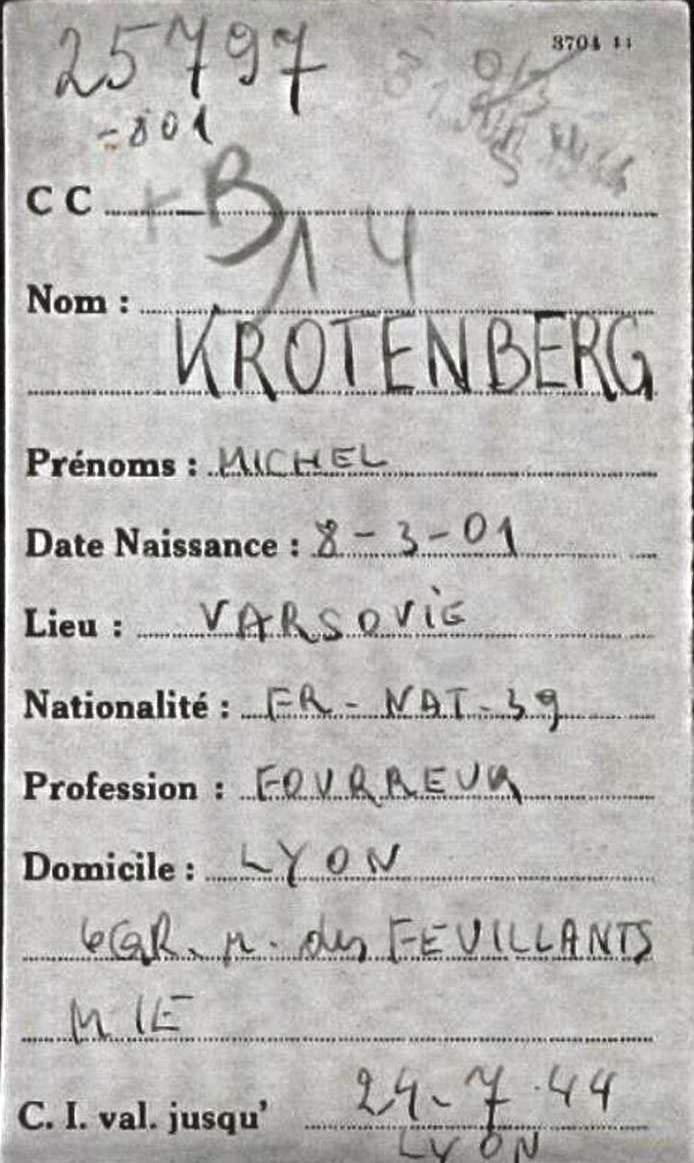
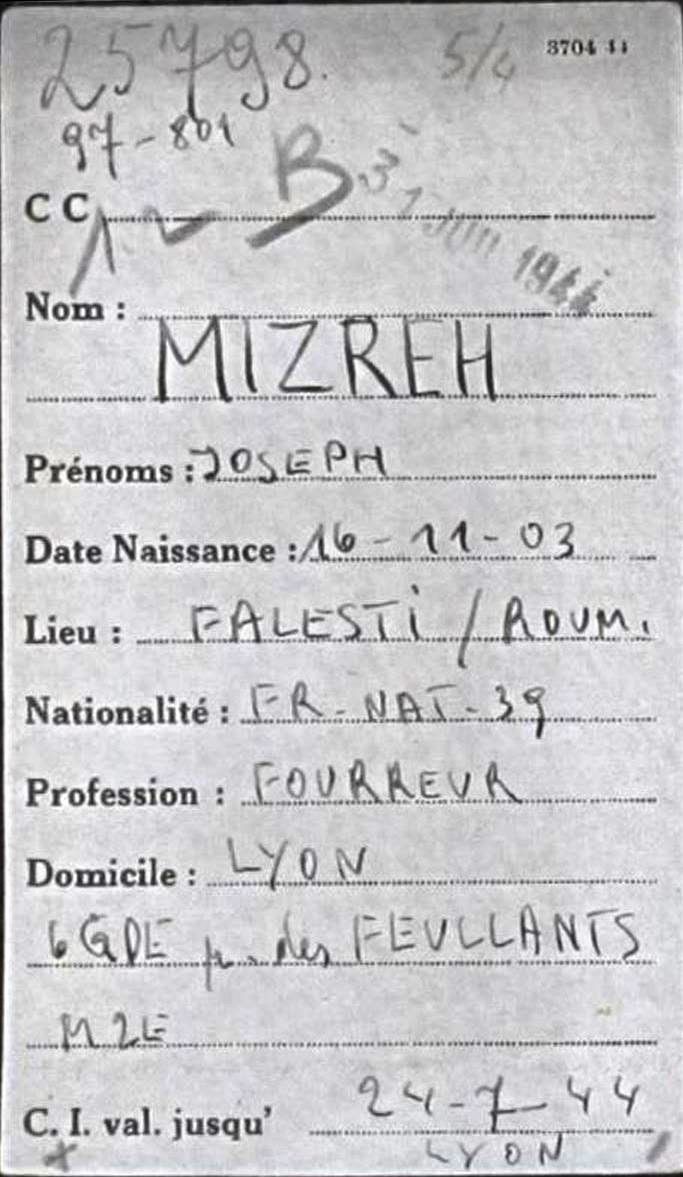
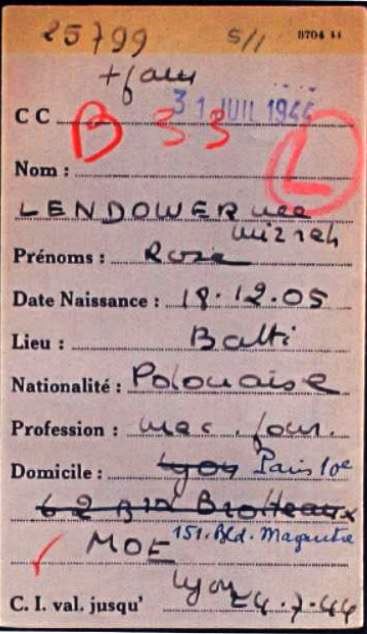
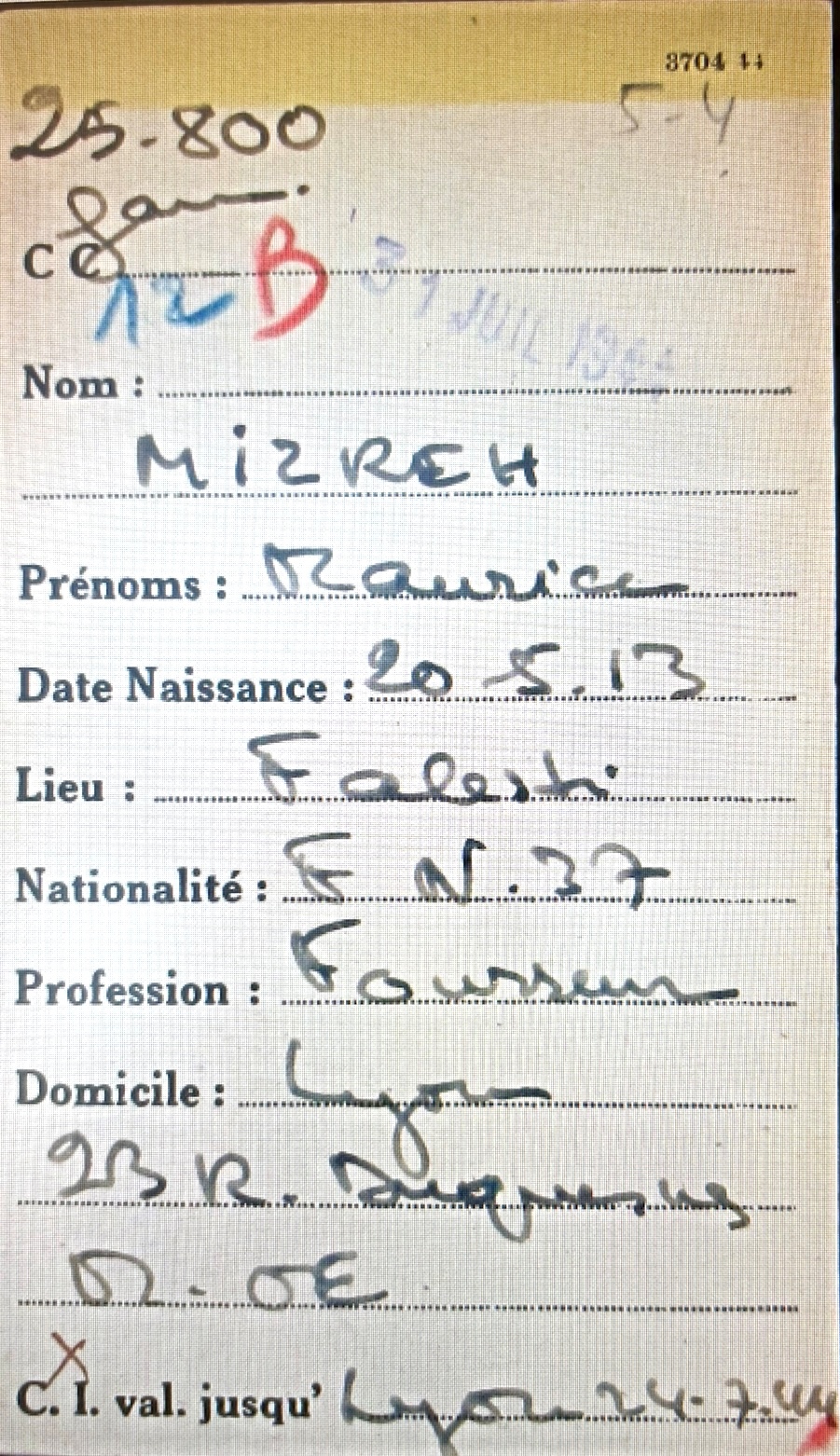
The family’s identity forms, drawn up when they arrived in Drancy.
Aside from their names, places of birth, occupations, and addresses at the time of arrest, the forms also list their Drancy registration numbers (on the top left). The letter “B” meant that could be deported immediately. The numbers on the right referred to the staircase and room to which they were assigned; the date stamped on them was the date on which they were deported from Drancy.. The letter “L” on Rose’s form, which was added after the war, stood for “liberated” – Shoah Memorial, Paris
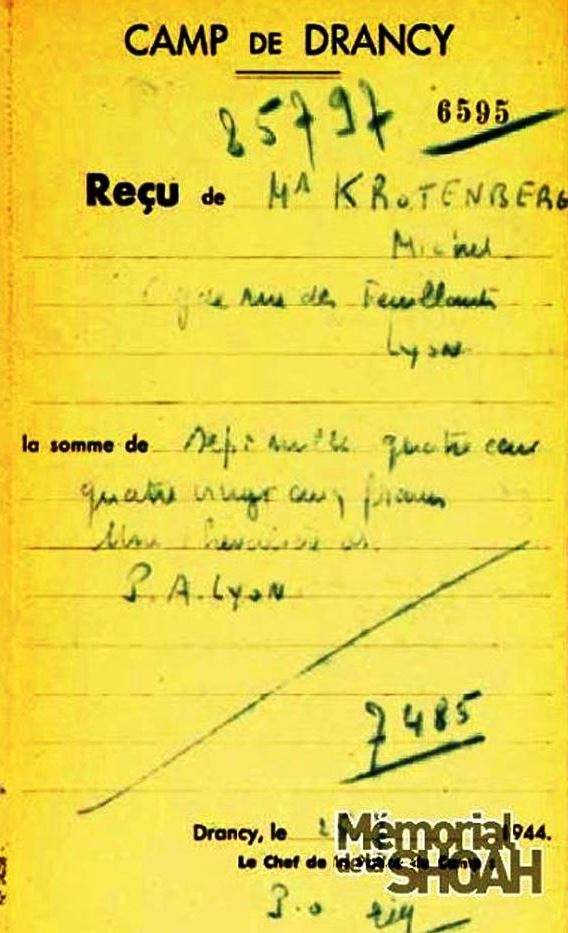
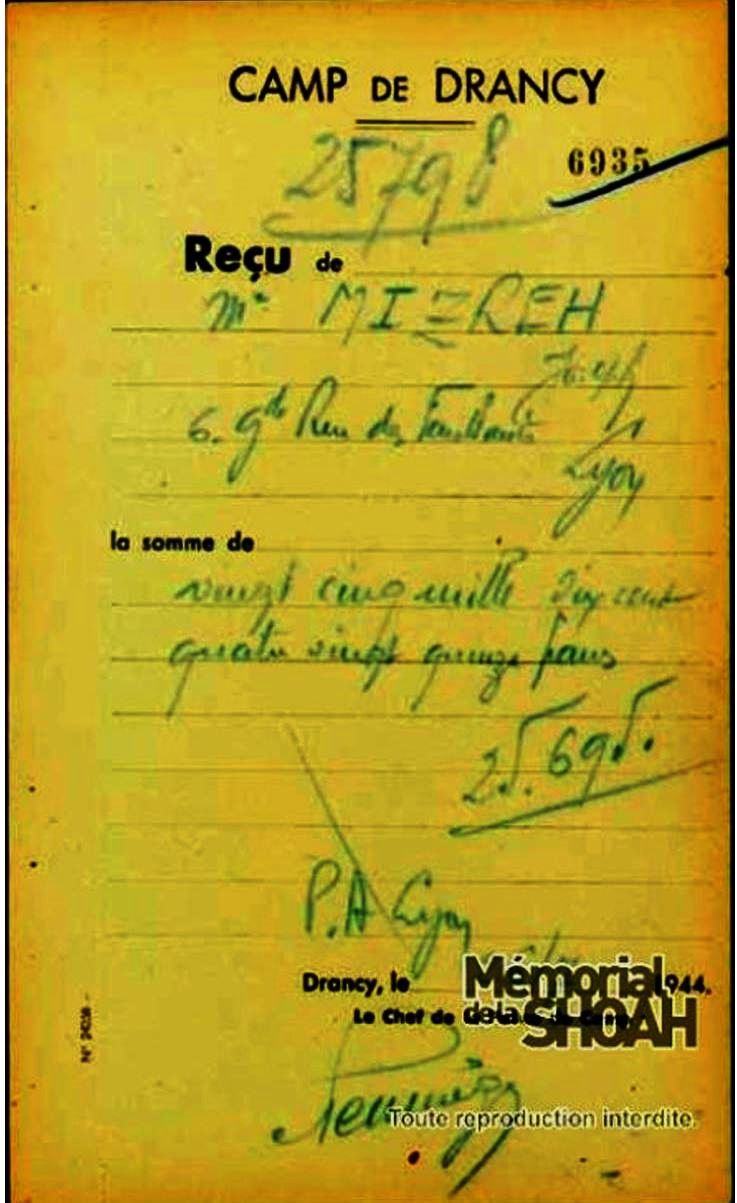
When prisoners first arrived in Drancy, they were searched and had to leave any money they had on them “for safekeeping”. Michel Krotenberg handed over 7,485 francs, and Joseph 25,695 francs.
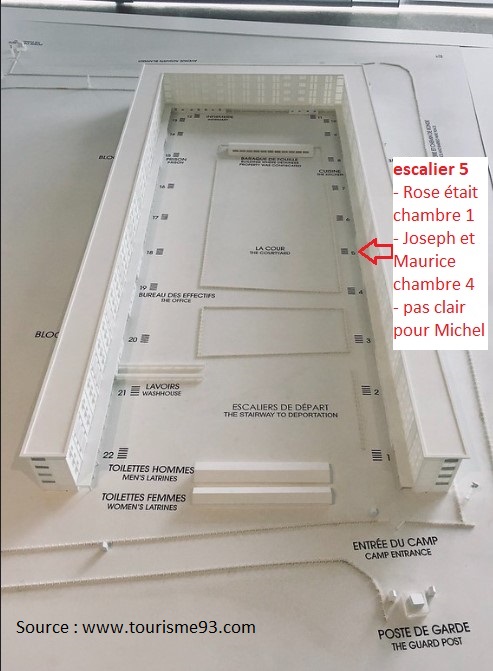
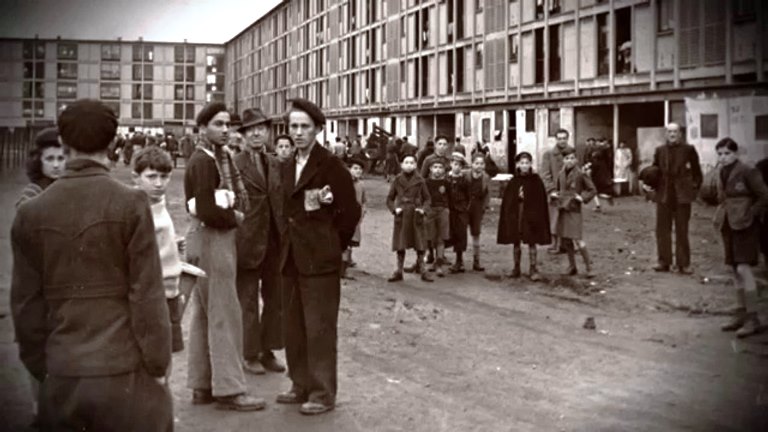
Screenshot from the “La cité Muette” – French documentary by Sabrina Van Tassel, 2015
On July 31, 1944, just 17 days before the camp was liberated, a total of 1306 people were deported on Convoy 77 from Drancy, via Bobigny train station, to Auschwitz. Among them were Joseph, who was 40 years old at the time, Maurice, 31, Michel Krotenberg, 43, and Rose, 37.
A record from the Bad Arolsen archives raises a question: on August 11, 1944, Convoy 14 166[47] left Lyon for Auschwitz with 650 people on board, including people deported on grounds of their “race”, i.e. Jews and some Resistance fighters. The transport list includes a Michel Krotenberg. Could there have been someone else of the same name[48]? In any case, we have plenty of evidence that he arrived in Drancy on July 24 (in particular, the receipt for the money he had on him). We shall come back to this, with a possible explanation, later on.
All four are listed as having been deported on Convoy 77 on the Memorial to the Victims of the Holocaust from the Auvergne-Rhône-Alpes region in the Jewish cemetery in Gerland, near Lyon. Their names are, of course, also inscribed on the Wall of Names at the Shoah Memorial in Paris.
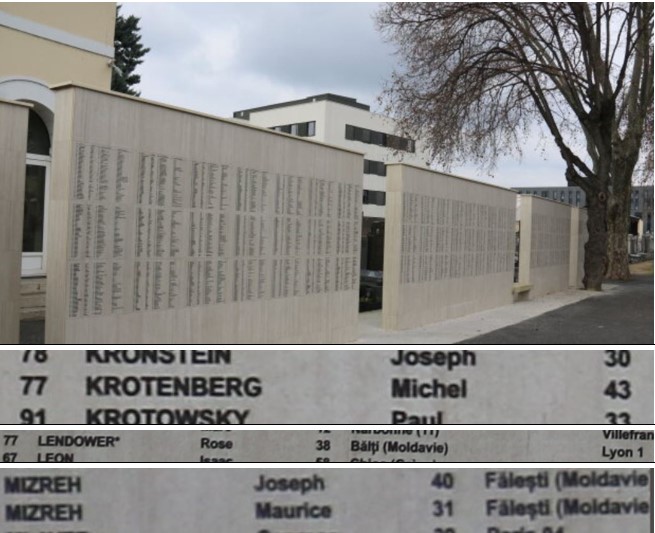
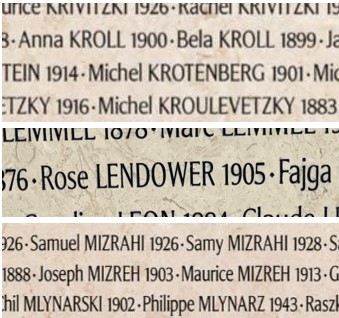
Rose was the only one of them selected to enter the camp to work: her two brothers and Michel Krotenberg appear to have been sent to the gas chambers immediately[49]. Their death certificates, issued some years later, state that they died in Auschwitz on August 5, 1944, as is the case for the vast majority of the people deported on Convoy 77 who were not sent into the camp to work.
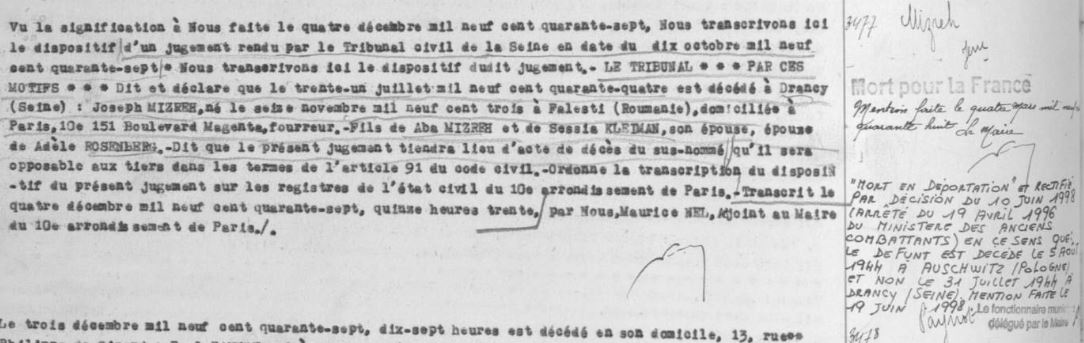
Joseph Mizreh’s death certificate, which was entered into the civil register of the 10th district of Paris in December 1947
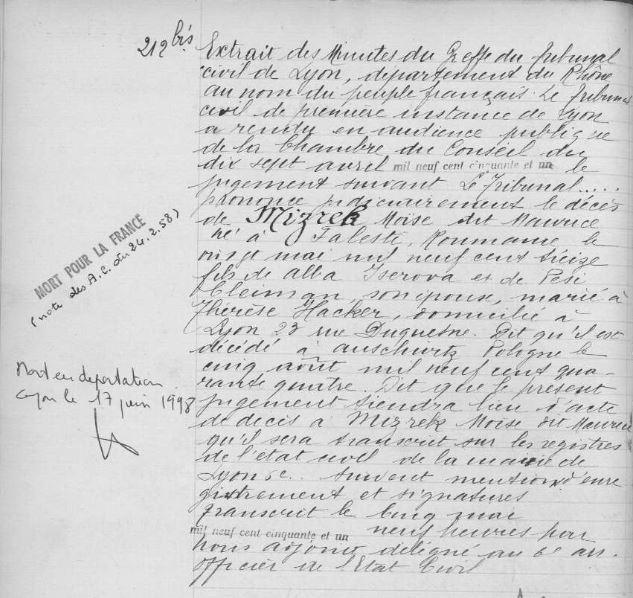
Maurice Mizrek’s death certificate, which was entered into the civil register of the 6th district of Lyon in May 1951
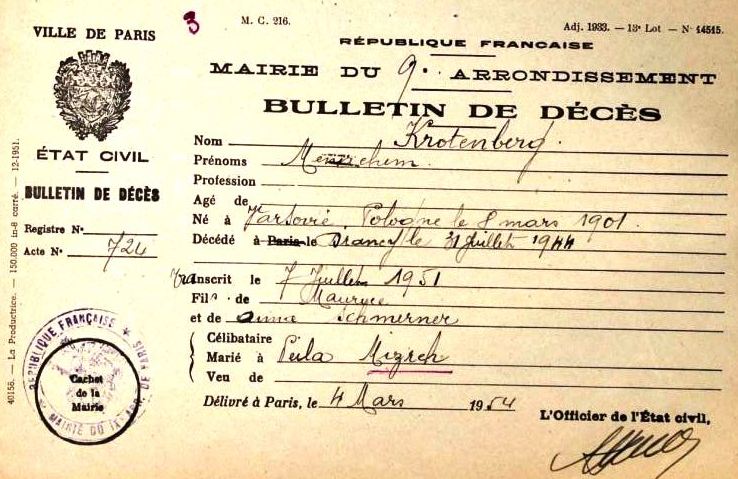
After the war, when the task of tracing prisoners’ movements was prioritized in order to issue death certificates and compile deportation files, there was considerable confusion at times.
For example, we found one record stating that Joseph was liberated by the Soviet army in January 1945…
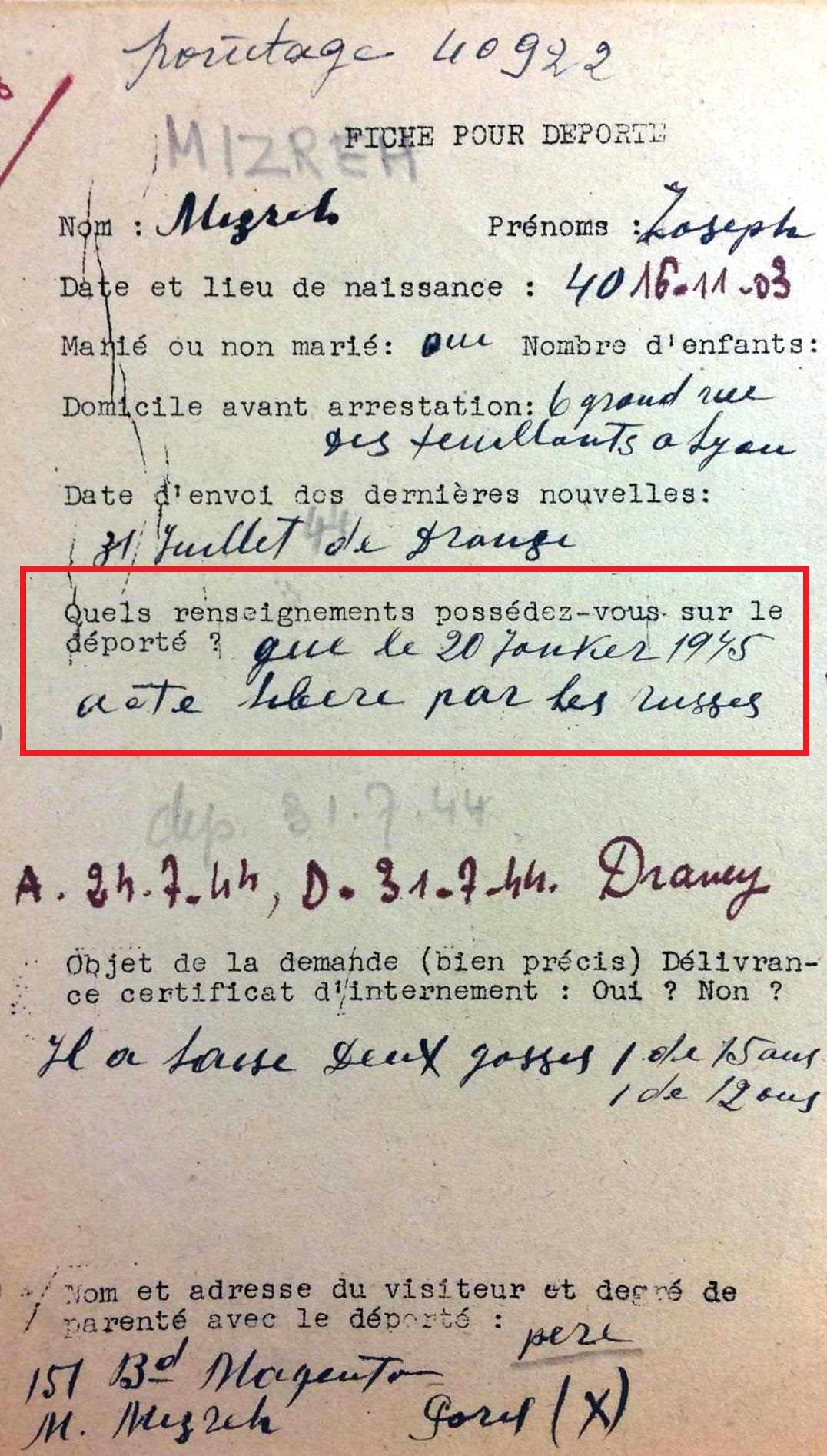
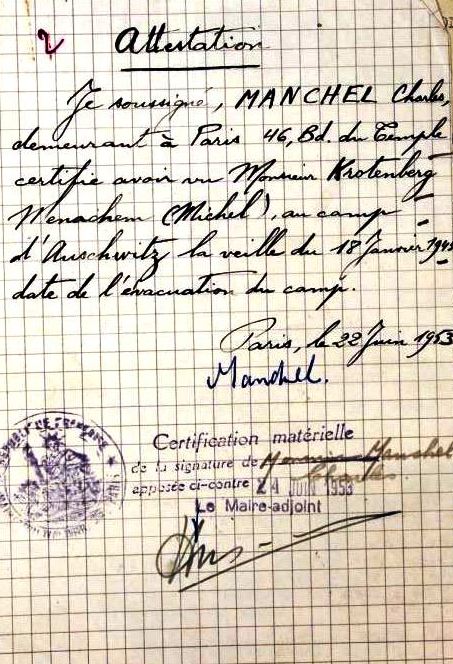
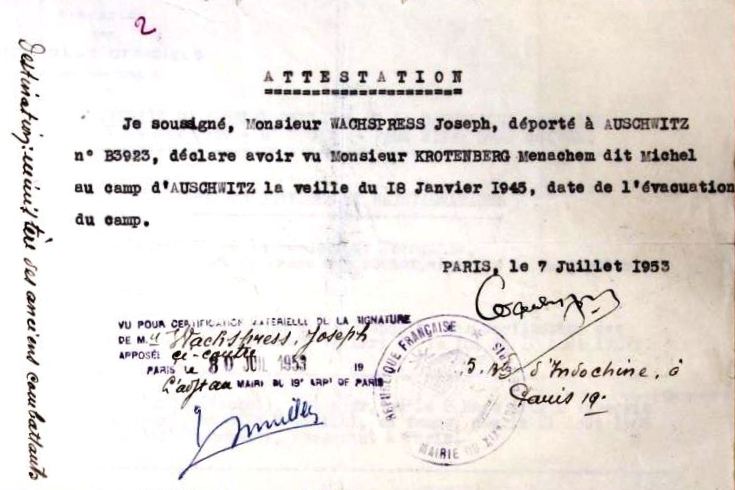
… and indeed two witness statements dating from 1953, by Charles Manchel and Joseph Wachspress, both of whom said that they had seen Michel Krotenberg on January 18, 1945, when the camp was evacuated! On reading their testimonies, documents, one can’t help but think of the family, and how hopeful they must have felt.
On August 5, the date listed in the civil register as the date on which Michel Krotenberg died, his son Maurice, then a 20-year-old student, was arrested in Beaurepaire, in the Isère department of France. He was using a Resistance member’s cover name: Yves Kermalon. He was imprisoned in Montluc, in a cell, according to the record, which suggests that he was arrested on account of his role in the Resistance rather than because he was Jewish[50]. Paradoxically, this may have saved his life: he was deported to Germany on August 10, 1944, five days after he was arrested: It was most likely Maurice, rather than Michel, who was deported on Convoy 14 166 (there was a mix up between father and son on the deportation lists).
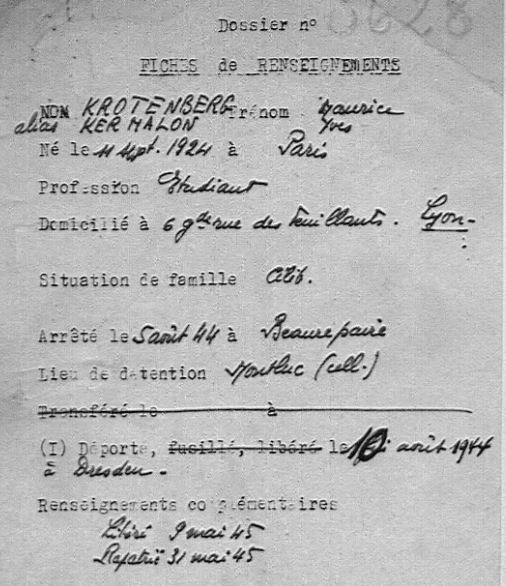
Source: Rhône departmental archives – 3335W
The record relating to Maurice Krotenberg states that he was deported to Dresden, in Germany, and was still there when he was liberated on 9 May 1945, but there are no further details. We know that Convoy 14 166 stopped several times to unload prisoners (221 male Resistance fighters were dropped off at Natzweiler, the female Resistance fighters were taken to Ravensbrück, and 350 Jews were sent to Auschwitz, where they were put to death in the gas chambers). Was Maurice among the men unloaded at Natzweiler, and then sent on to Dresden for some unknown reason[51]? We do not know, but one way or another, he survived: according to a report dated August 7, 1945, drawn up during an investigation after he was repatriated from Germany, he was “currently on vacation with his family in an unknown location”! The report goes on to say that he “was apparently arrested because he was Jewish, along with several members of his family.” In short: nothing specific. Once again, this raises the question of whether the report refers to the father with the son: if he was arrested because he was Jewish, it is hard to see how he was spared being deported to Auschwitz.
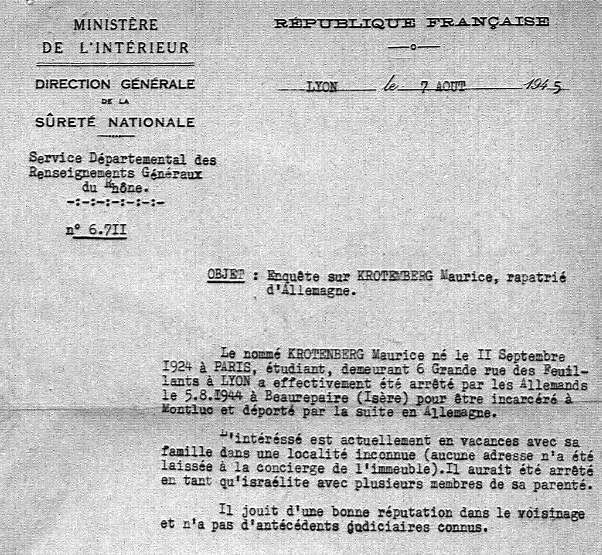
Source: Rhône departmental archives – 3335W
We can also follow what happened to Jacques Mizreh during his time in the Resistance, beginning with when he joined in August 1943. Known as “Marcel Laroche”, he joined the Creuse maquis, took part in the ambush in the Tardes Valley, a parachute drop operation at Le Chancet, and then the liberation of the Creuse department. In October, his resistance unit became the 78th Infantry Regiment at Camp de la Courtine and took part in the siege of La Rochelle. On October 10, he signed up as an EVDG (Engagés Volontaires Pour La Durée De La Guerre, or Volunteers for the Duration of the War) with the 78th Infantry Regiment.
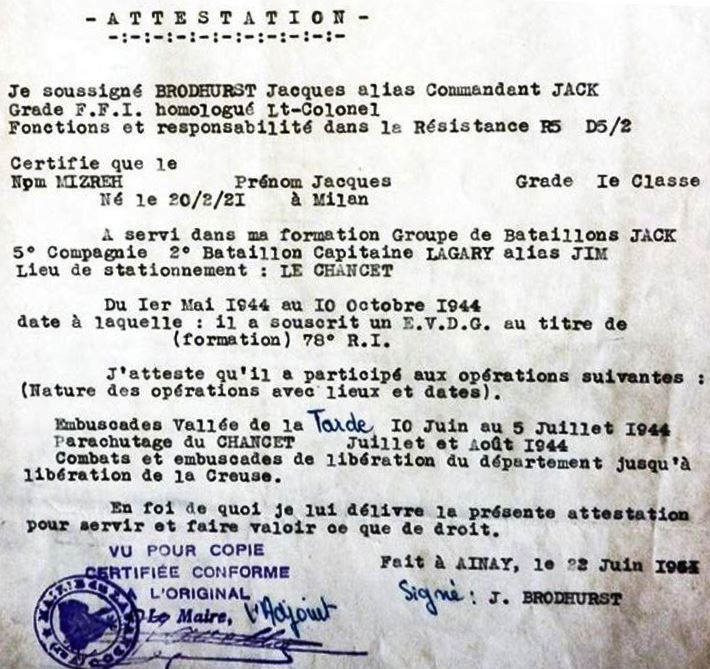
Source: French Ministry of Defense Historical in Vincennes – rer. 421791
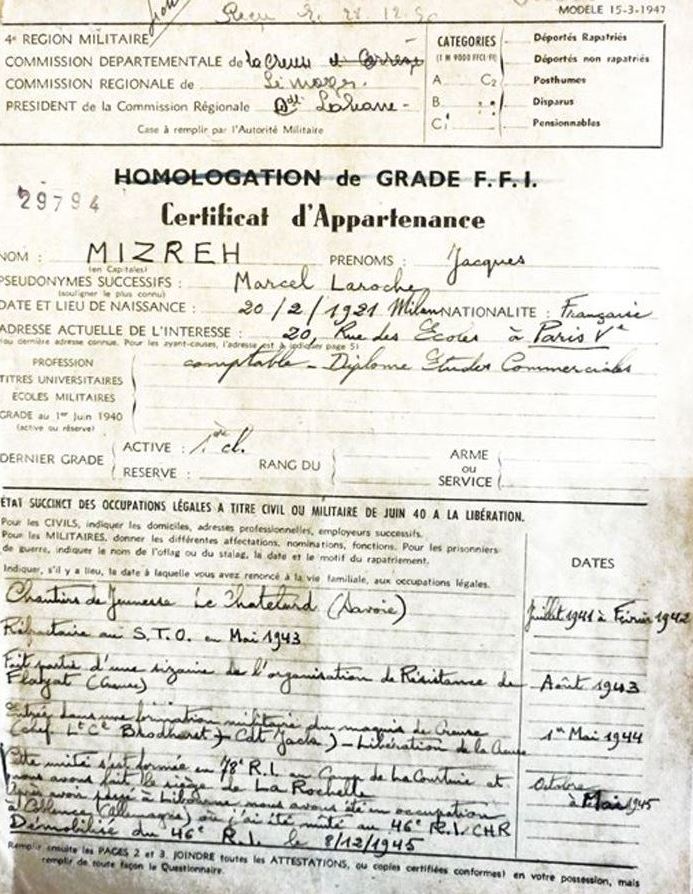
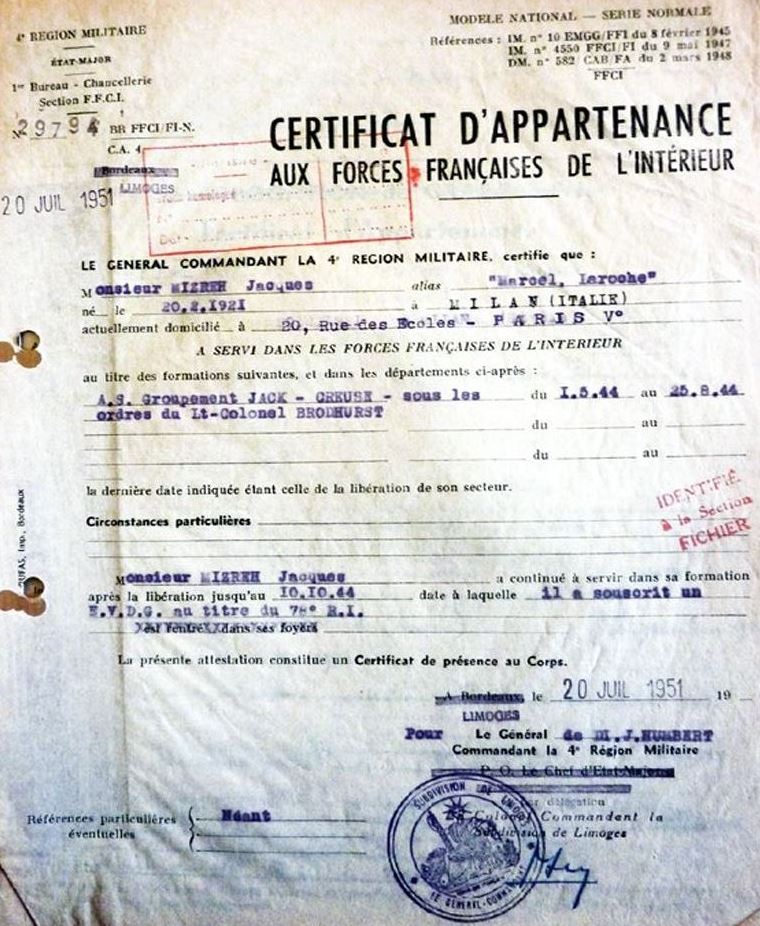
For Rose, the only member of her family who was deported on Convoy 77 and survived, the ordeal was far from over. As of November 1944, she followed a similar path to that of Ginette Kolinka and Marcelline Loridan right up to when she was finally liberated: as the Red Army was advancing towards Auschwitz, the SS began evacuating the camp. Rose was transferred to Bergen-Belsen.
1945
When Paris was liberated the Mizreh family members who survived were able to move back to the city. Danielle Pauline, Emile’s daughter, was born on January 19 in the 11th district. We were unable to see her birth certificate as it is not yet available online. Emile was not married at the time. The baby died three months later, on April 10, at the Trousseau Hospital in the 12th district. Oddly, her death certificate only gives her father’s name.
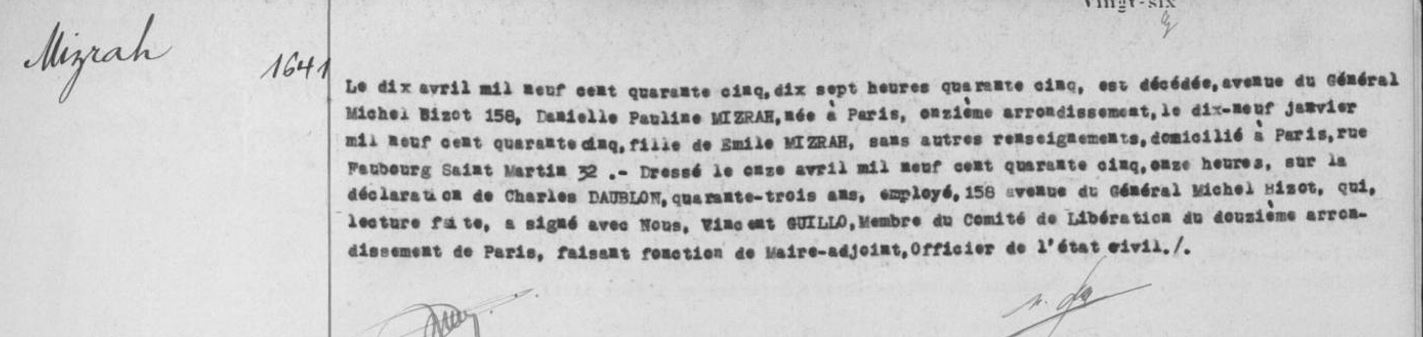
Danielle Mizrah’s death certificate – 1945 – civil register of the 20th district of Paris
On May 19, Robert Mizreh married Céline Buchpan in the 11th district of Paris: they then set up home at 107, avenue Parmentier, also in the 11th district.
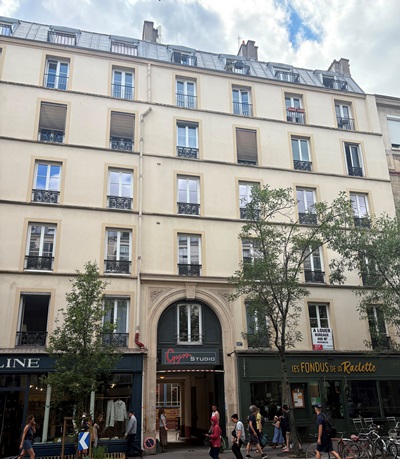
107, avenue Parmentier in the 11th district of Paris – Our own photo
We do not know exactly when the other family members moved back to Paris, nor where they stayed when they first arrived: as we mentioned earlier, their old apartment at 151 Boulevard Magenta had been rented out to an “Aryan”. Aba was only able to reclaim it on May 14, 1945, after a long and difficult battle. As luck would have it, we have an account of what happened: “Aba Mizreh encountered the so-called ‘new anti-Semitism’ in Paris when he tried to reclaim his apartment near the Gare du Nord. Mizreh, a 68-year-old father of eleven, had gone into hiding with some of his family members in Lyon during the war, only to be arrested in July 1944. The Germans had cleared his apartment on Boulevard Magenta in Paris on April 20, 1943, and as of the 29th, it was taken over by a “unaffected-person.” Mizreh had won his lawsuit to have the new occupants evicted, but the authorities had not yet enforced the ruling. Mizreh explained that he needed the two-room apartment for himself, his wife, and his grandchildren (who had come to live with him after their parents were deported on July 31, 1944). The apartment also served as his furrier’s workshop, and he wanted to return to work to provide for his family.
On May 14, 1945, the local police chief asked Mizrah and four of his sons to come to the apartment so he could officially reclaim it and evict the occupants. His son Émile, a former prisoner of war, and his wife arrived to find an angry mob waiting outside the building, shouting:
“Look at the dirty Yid [Jew,] who spent the occupation in a casino in Monte Carlo, drinking and having fun while the French were dying for him, and now the dirty Jew wants to kick out a decent Frenchman!”
As the crowd swelled, Émile replied, “This is the only response he deserves,” and slapped him. The man retaliated by hitting him back. This was the scene that Mizreh was greeted with as he arrived. Everyone was taken to the police station, where Mizreh complained that his family had been treated like criminals. He believed the troublemakers were part of a group whose aim was to stir up unrest whenever a Jew sought to regain possession of his home. He asked:
The most important question is whether, to this day, in the French Republic, such things can happen unchallenged by the authorities concerned. What if their attitude is hostile to us, even though we are absolutely within our rights? […] Is it not my right, after having suffered so much, to reclaim what is rightfully mine? […] Haven’t I already suffered enough? These troublemakers claim that Jews did not fight, yet my sons are proof that this is not true. […] I have been the victim of death threats, even though my age and my white hair should have spared me from such insults; however, having got an eviction order, I want my apartment back. I demand justice. Can France deny me that?”[52].
In early February, 500 Jewish women were selected to work in Junkers aircraft factory in Raguhn, which was affiliated with Buchenwald concentration camp. Rose was among them. At first glance, the living conditions at the Raguhn camp were better than those in Auschwitz or Bergen-Belsen: the prisoners wore striped camp uniforms, which was almost unheard of until then. In early April 1945, as the American troops were closing in from the west, the SS decided to evacuate the camp.
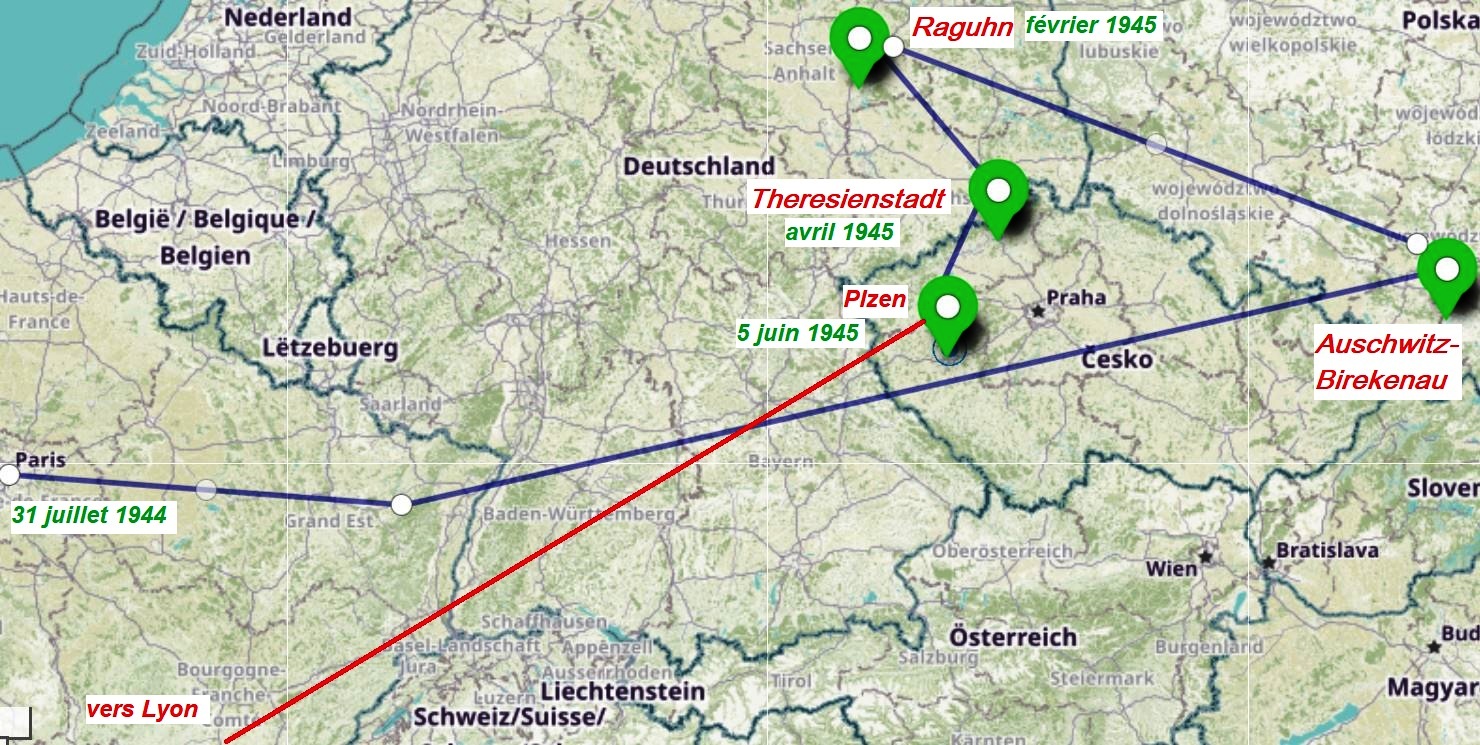
Map made on framacarte.org
On April 12, some 480 women who were still alive by then were loaded onto a hastily arranged convoy and taken to the Theresienstadt ghetto camp, around 35 miles from Prague. On May 4, the SS fled ahead of the advancing Red Army, which marched into Theresienstadt on May 6. As a result, Rose was liberated, but she was in a terrible state: It was not until June 5 that she was repatriated by air from Plzeň to Lyon-Bron airport in France.
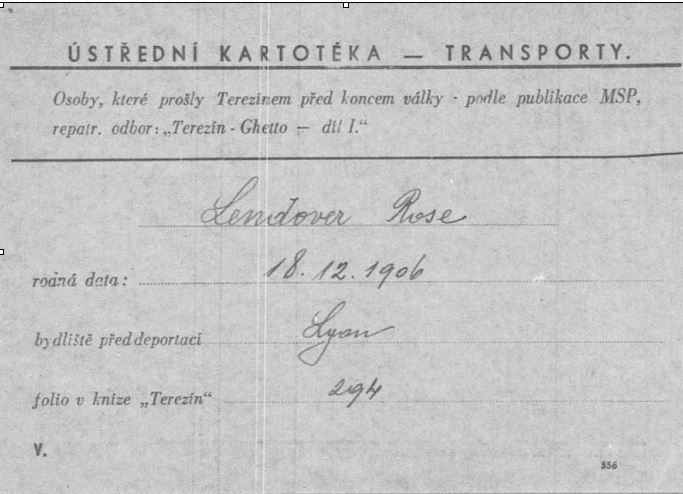
On May 8, Germany capitulated. Maurice Krotenberg was liberated the following day, and repatriated to France on May 31.
Jacques Mizreh, meanwhile, carried on fighting: after taking part in the occupation of Koblenz, he was transferred to the 46th Infantry Regiment until he was demobilized on December 8, 1945.
III. THE POST-WAR YEARS: 1946-1956
The family in 1945 and 1946
We shall now try, despite several remaining grey areas, to review what happened to the family after the war ended.
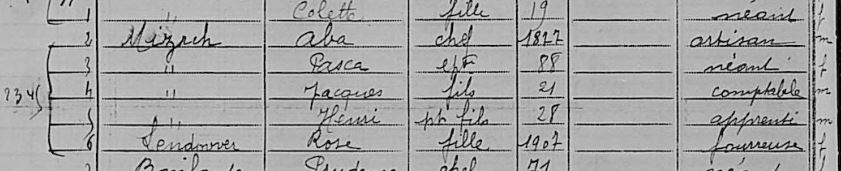
The 1946 census listing for 151, Boulevard Magenta – Paris city archives
The 1946 census for 151 Boulevard Magenta sheds some light on this. Besides Aba and Peissa, who had managed to get their apartment back, the list of people living there at the time includes:
- Rose, who was sent to a sanatorium soon afterwards (see below). Her son Georges, however, who was nearly 16 by then, was living with his aunt Esther Lendower, and can be found in the 1946 census records for 6 Boulevard Saint-Denis, in the 10th district of Paris. Wolf and Esther were still there, so must not have been deported. Joseph Lendower was there too, as was a Polish cousin by the name of Royal, and a maid.

The 1946 census listing for 6, Boulevard Saint-Denis – Paris city archives
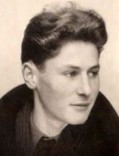
Joseph Georges Lendower – Family photo
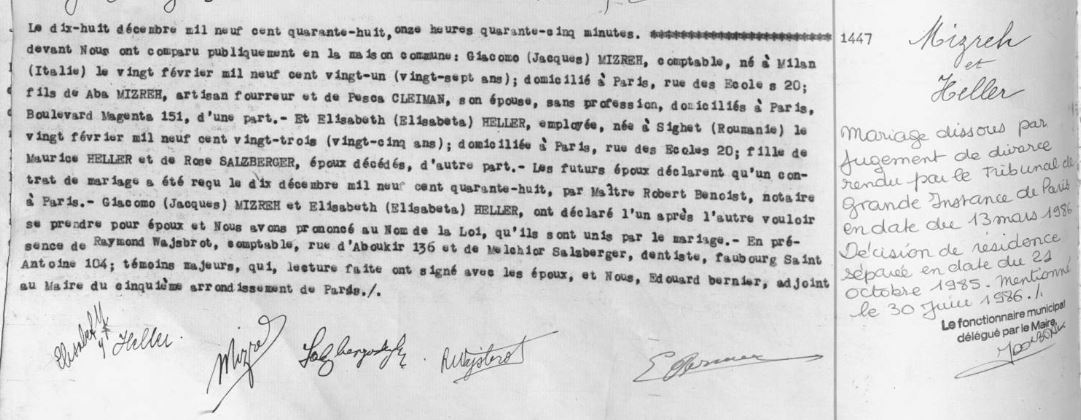
- Jacques, Aba and Peissa’s youngest son, who was 25. Two years later, on December 18, 1948, in the 5th district of Paris, he married Elisabeth Heller, a concentration camp survivor originally from Romania. The couple then set up home at 20, rue des Ecoles, also in the 5th district.
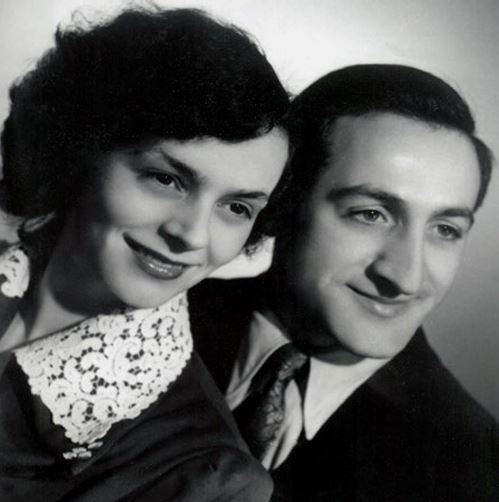
Jacques and Elisabeth Mizreh – Family photo
- Henry, Joseph and Adèle’s son, who was 18 years old and is listed as an apprentice (perhaps in his grandfather’s workshop).
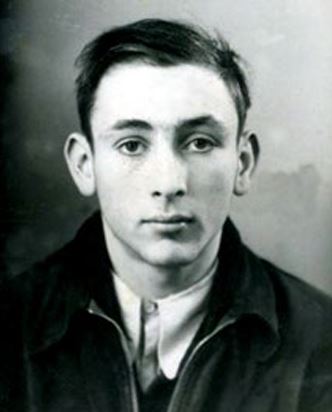
Henry Mizreh – Family photo
Adèle and her younger son, Jacques Maurice, who was 13, were still hoping that Joseph would come home. They were living someplace else, but we do not know where.
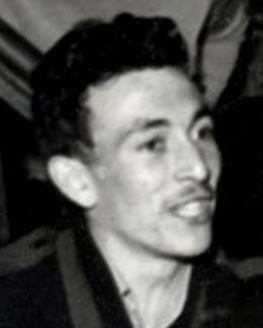
Jacques Maurice Mizreh – Family photo
Paulette and her son Maurice Krotenberg, who was 22 by then, had stayed behind in Lyon, where they too were surely living in hope than Michel would eventually come home. We know that in 1946, they reregistered their fur business, which had been “Aryanized” in 1942, at 23, rue Duquesne.
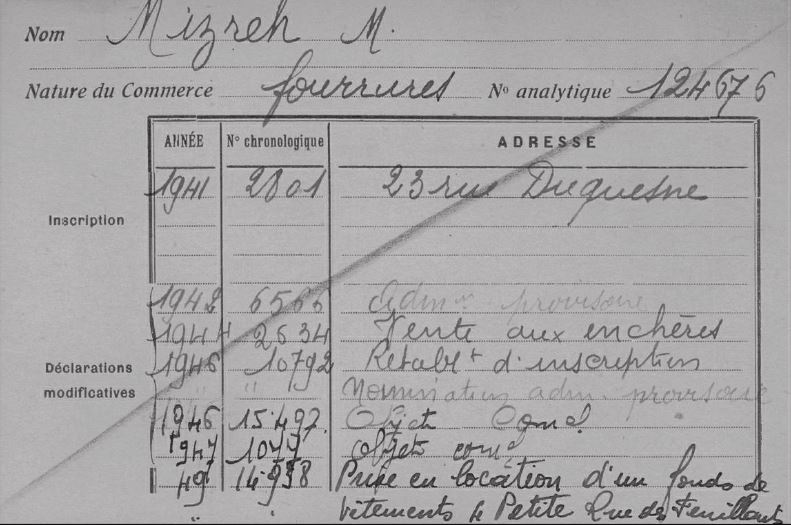
Rhône departmental archives – ref. 6Up1
Emile married Hélène Glaymann on December 11, 1946 in the 10th district of Paris. They were then living 32, rue du Faubourg Saint-Martin, also in the 10th district. Their son later became one of the cofounders of the well-known French sofa bed firm, “La Maison Convertible”.
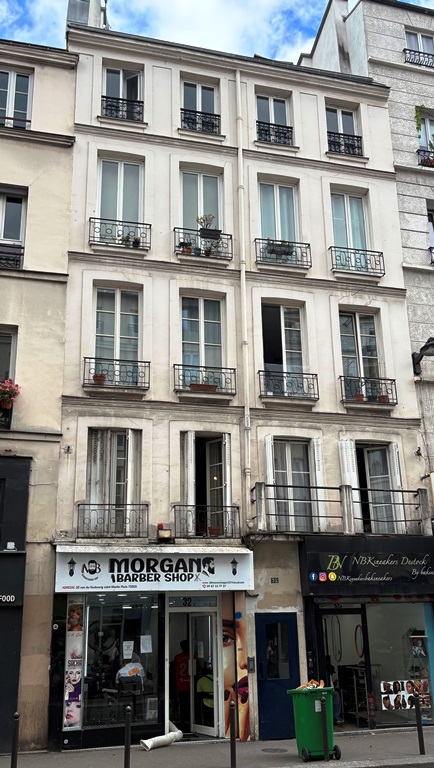
32, rue du Faubourg Saint-Martin – Our own photo
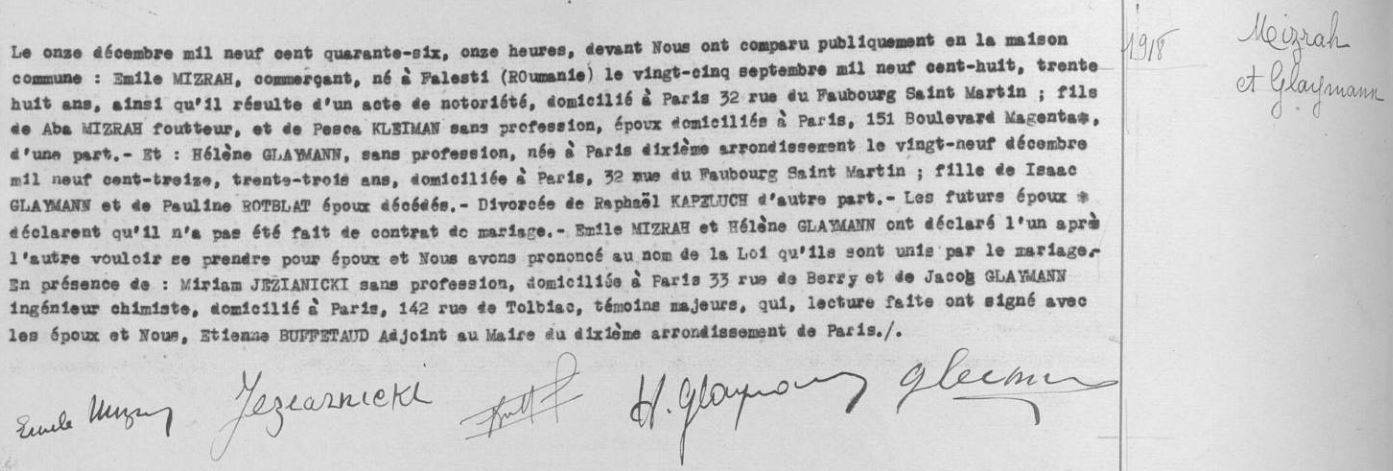
Emile Mizrah and Hélène Glaymann – 1946 – Civil register of the 10th district of Paris
Thérèse and her daughter Liliane, who was 3 years old by then, were also still in Lyon and they too were surely living in hope that Maurice would come home.
In February 1947, Henri and Simone Collange got divorced. He went on to get married for the third time, although we do not know where or when, to a woman by the name of Gisèle Boévitski.
As for the others (Serge, Elise and Miriam), we have no further information.
Rose’s return to France
Rose was the only one of her siblings to come home from the camps, but she was in a terrible state. She arrived back in France on June 5, 1945, suffering from tuberculosis, dysentery, and typhus, As she weighed just 66 pounds, she was taken straight to the Bichat Hospital. Soon afterwards, she was moved to the Belvédère sanatorium in Leysin, Switzerland. Built in 1906, this facility specialized in treating tuberculosis with heliotherapy (exposure to sunlight). Rose remained there until 1948, and she must have been very frail even then, as she was diagnosed with a pneumothorax, or collapsed lung, towards the end of the year.
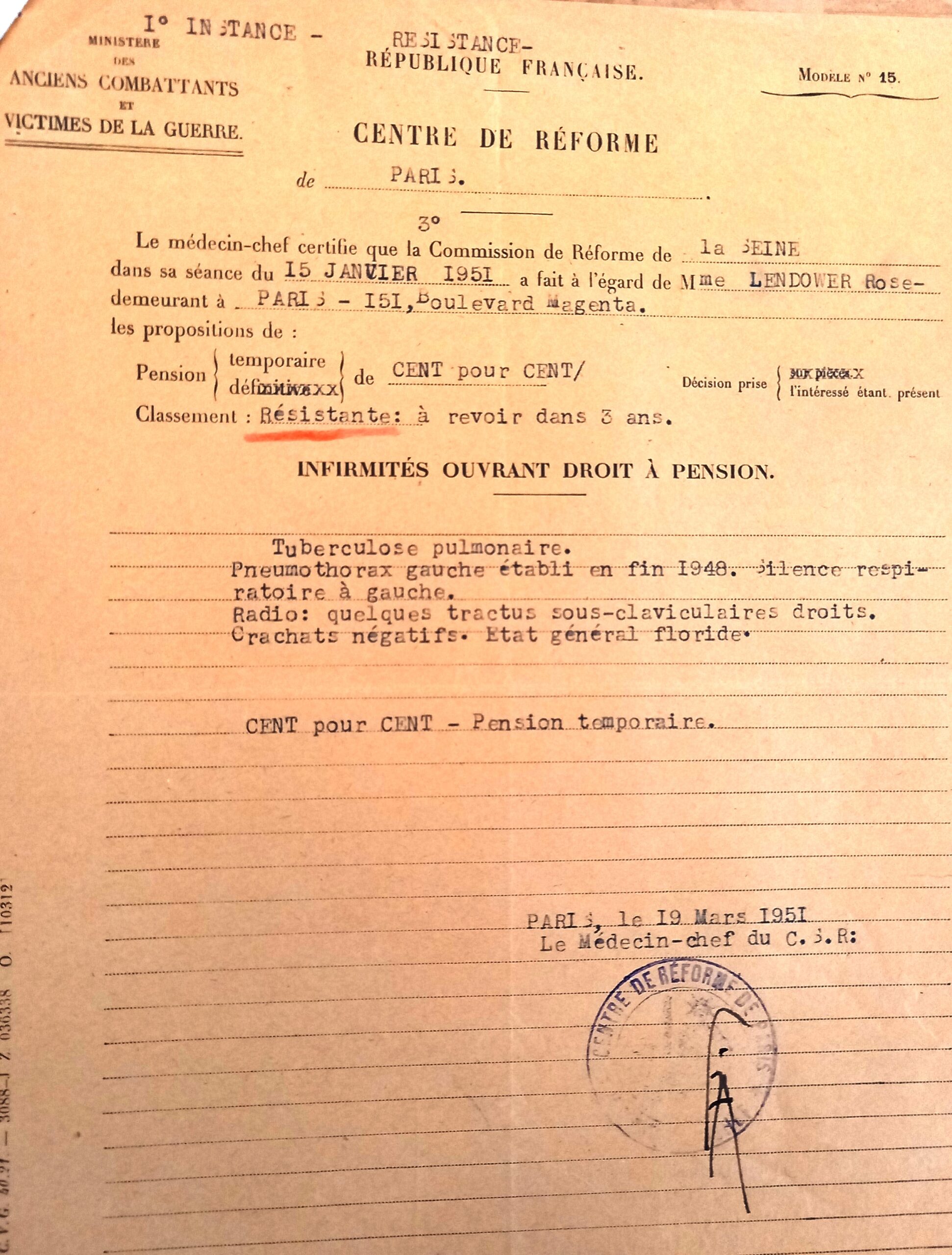
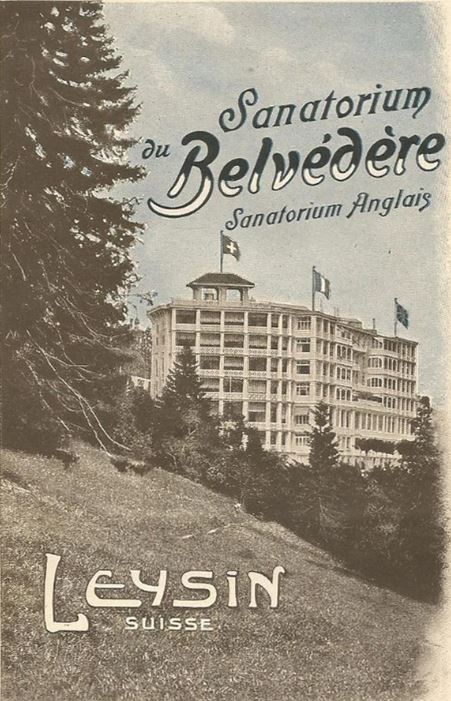
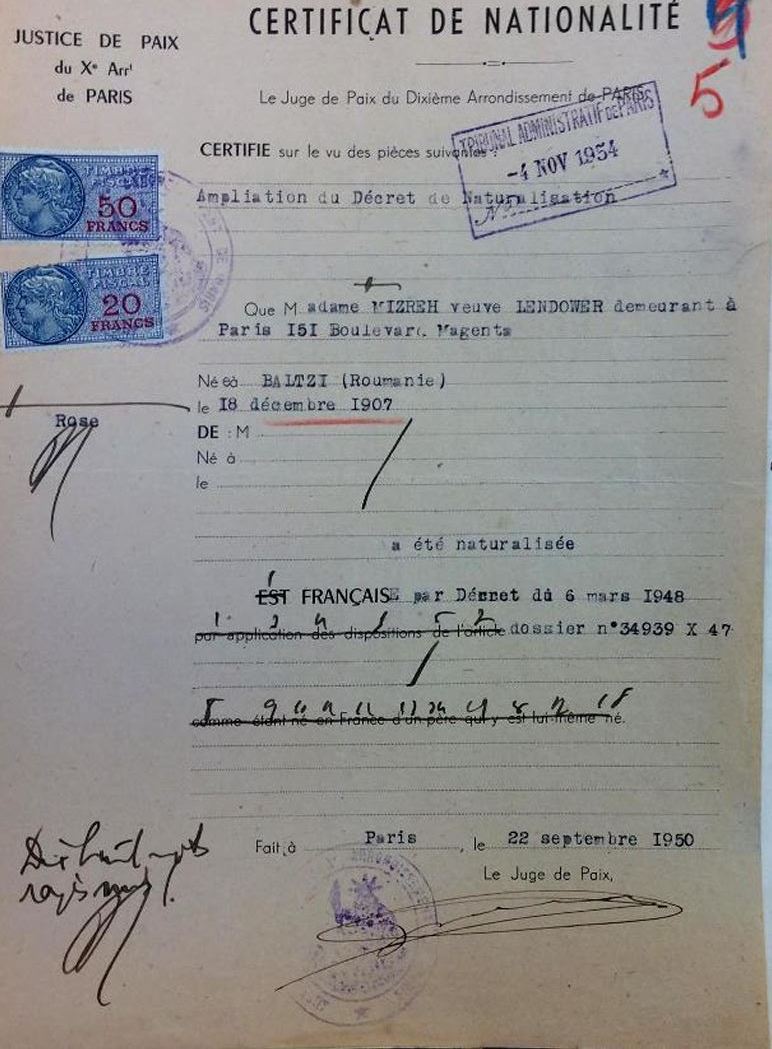
That same year, Rose was naturalized as a French citizen. When she was released from the sanatorium, she moved to 93, rue Oberkampf in the 11th district of Paris.
Her son Georges married Janine Grinbaum on July 7, 1949, in the 9th district of Paris. He was 19 years old at the time. Their children, Rose and Olivier, still have their ketubah.
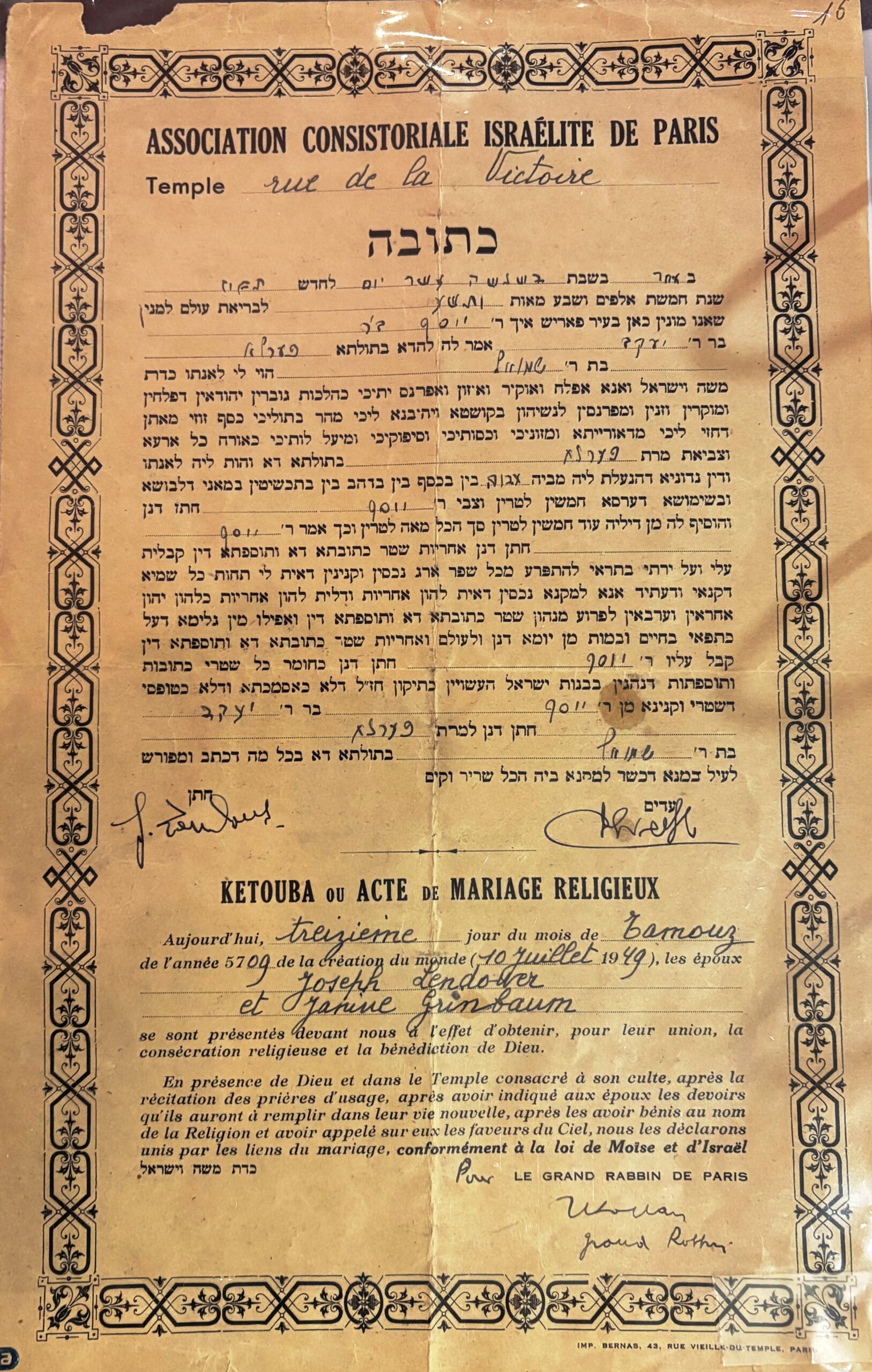
Family archives
EPILOGUE
The early 1950s, which were dominated by endless official paperwork seeking official recognition for the family members who had been deported, began on a sad note. Peissa, who was 70 years old by then, died on October 19, 1951, at her home at 32 Rue du Faubourg Poissonnière in the 10th district of Paris. That same year, Georges and Janine Grinbaum’s children, Muriel and Olivier Lendower, were born; Rose, their grandmother, was the only member of the family to survive and return from the camps.
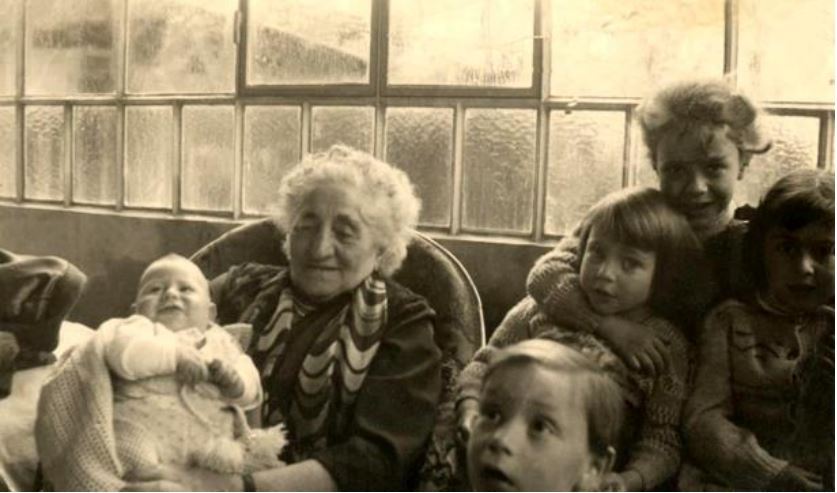
Peissa with some of her grandchildren in April 1951 – family photo

Peissa Cleiman-Mizreh’s death certificate from 1951 – Civil register of the 10th district of Paris
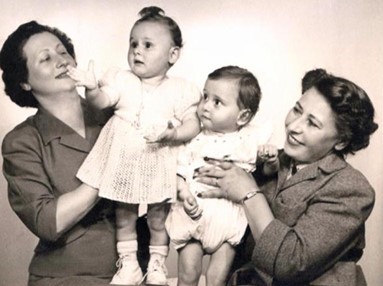
Muriel and Olivier Lendower, with their grandmothers: Louise Grinbaum (Janine’s mother) on the left and Rose Lendower on the right, in 1951 – Family photo
Rose, in common with all the other people who survived their time in the camps, had to try to live a normal life again, despite losing so many of her family members.
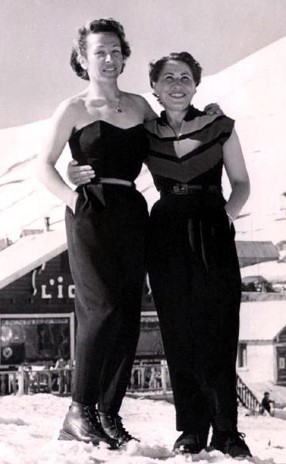
Miriam and Rose, two sisters together at l’Alpe d’Huez in 1951 – Family photo
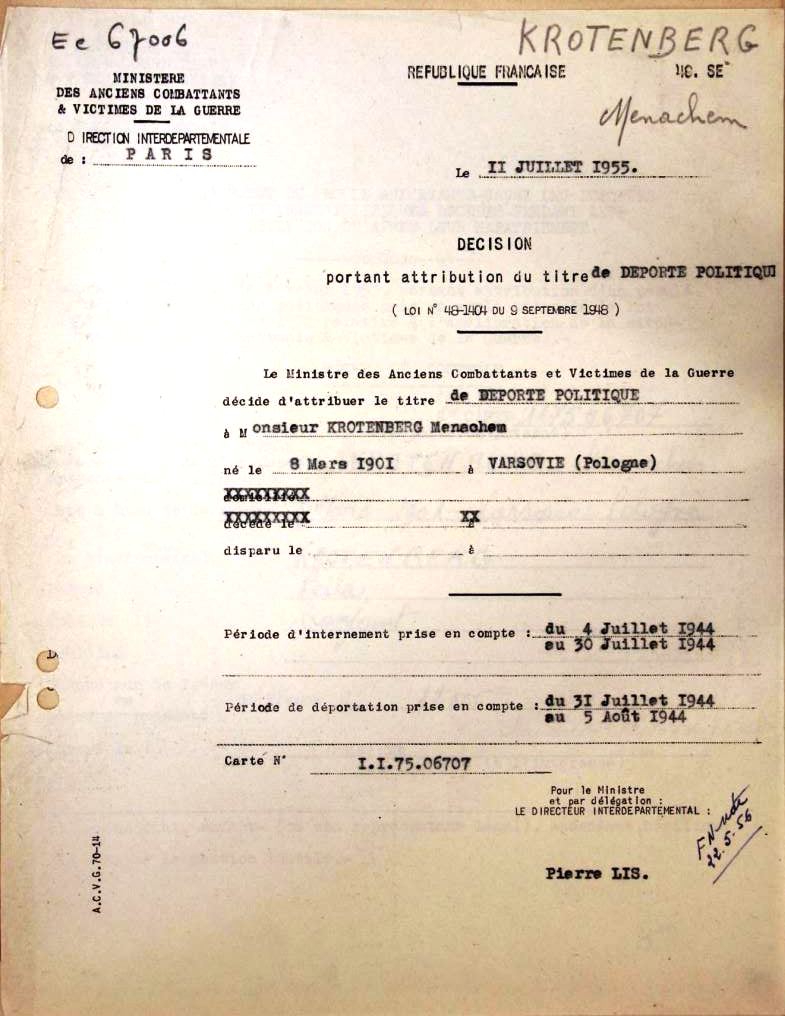
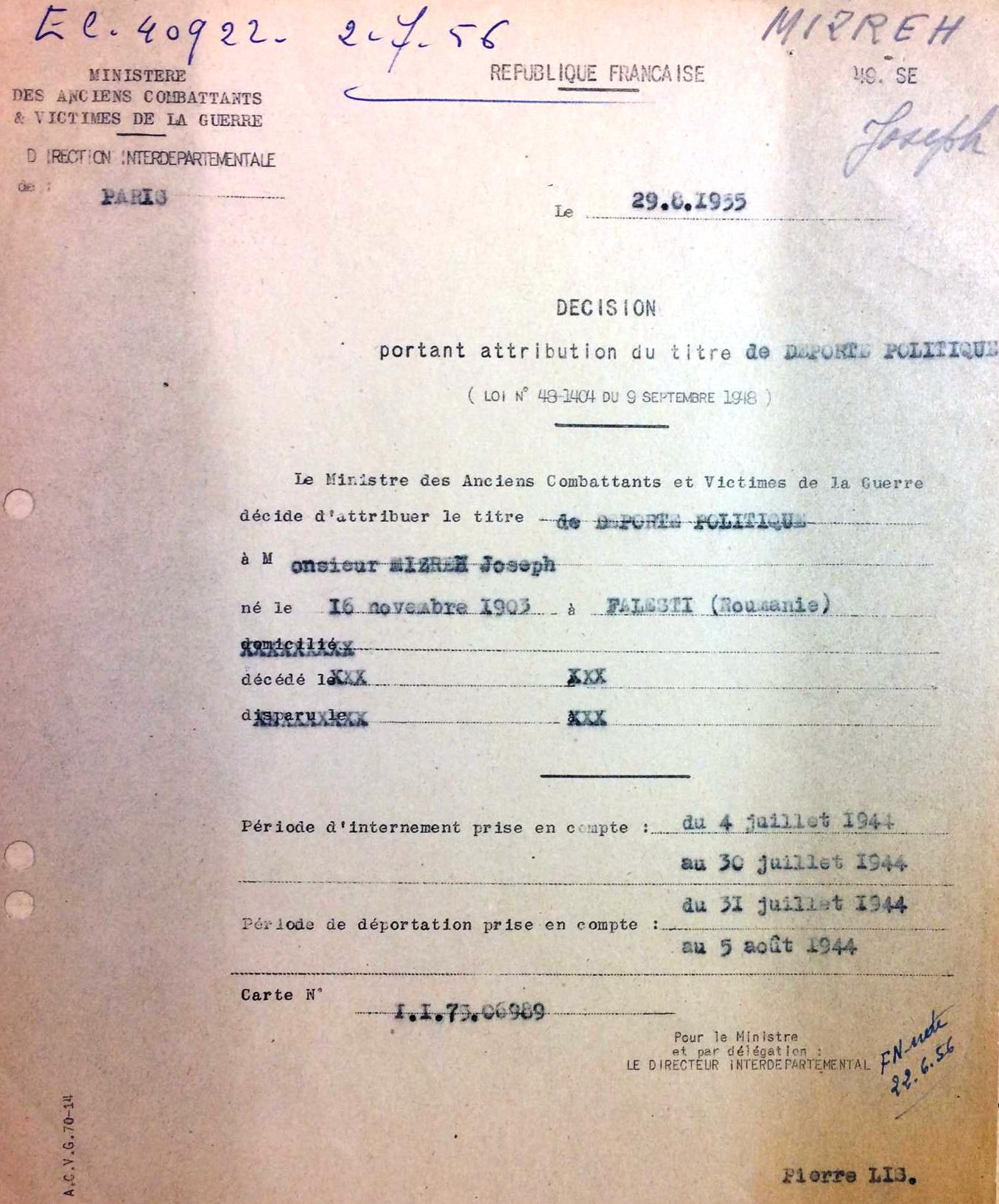
The Mizreh family began the long process of trying to find out what had become of their loved ones in 1945, all the while slowly losing hope of ever seeing them again. It took ten years for the Mizreh family members to be granted the title of “Political Deportee” an ambiguous term referring to people from France who were transferred and imprisoned abroad for reasons other than breaking the law, in other words, on grounds of their “race”. Michel (Menachem) Krotenberg, Joseph Mizreh and Maurice Mizrek were officially granted the title between 1955 and 1956. In 1956, Peila and Adèle received a “compensation payment” of 12,000 francs.
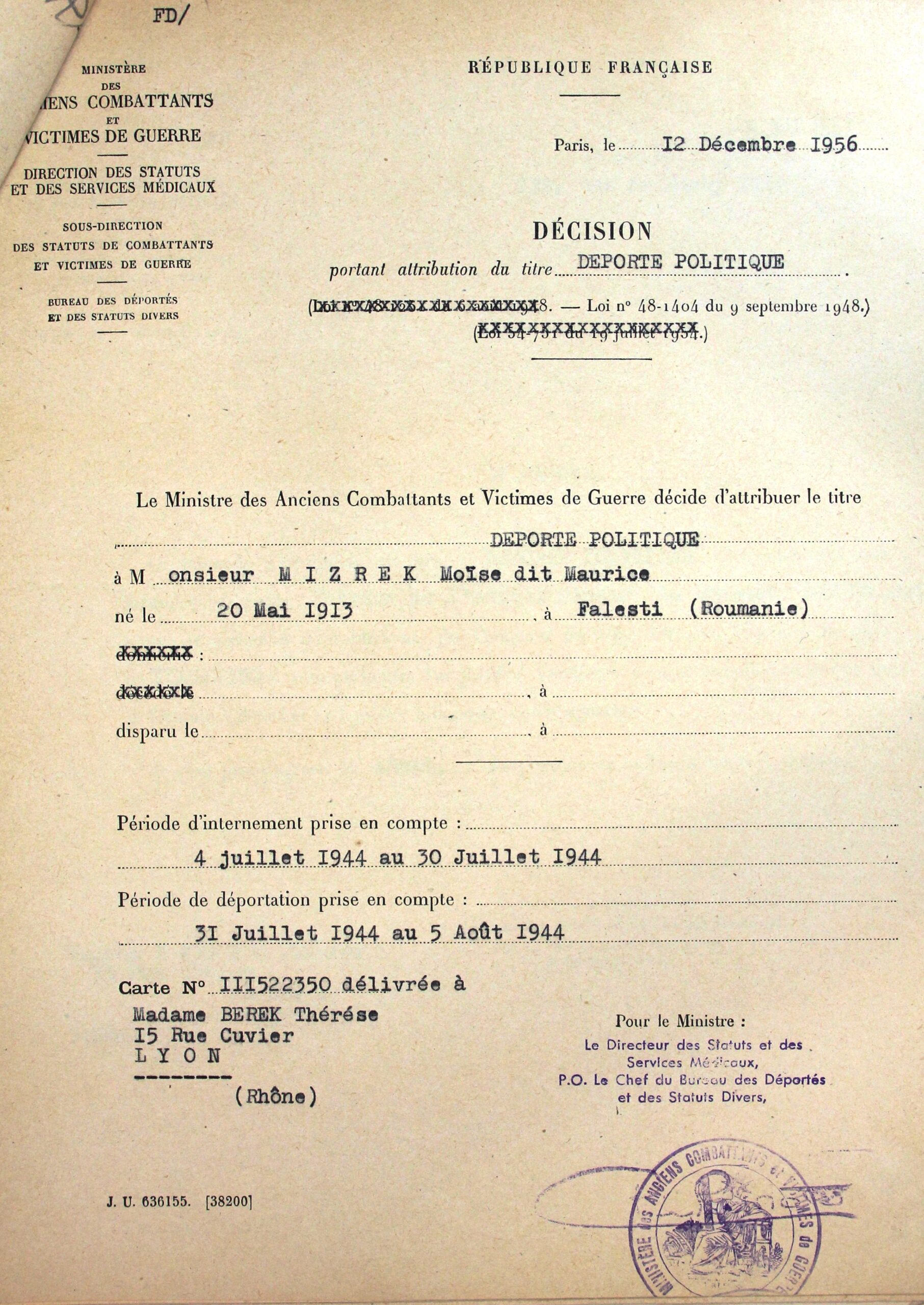
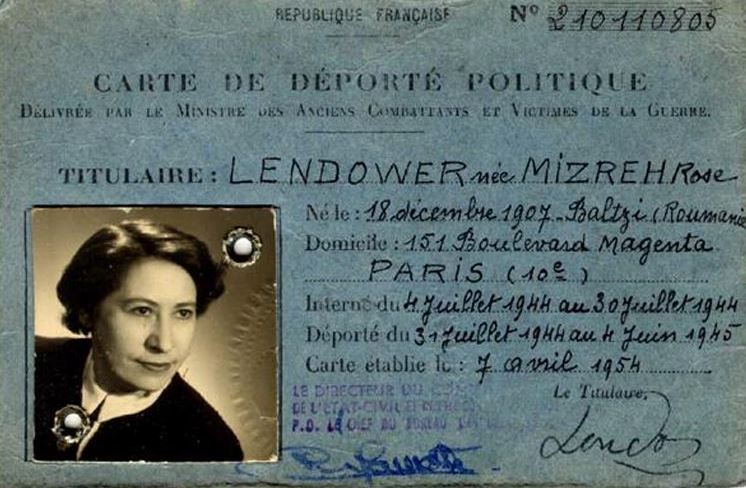
Rose’s case was more complicated: in 1949, she sought to have her role in the Resistance formally acknowledged. She managed to obtain certificates confirming the extent of her involvement in the Resistance from both the National Front and the UJRE. Although she was officially designated a “private second class” in the French Resistance according to a decree dated May 18, 1951, the Ministry of Veterans and War Victims rejected her application for the status of “Deported Resistance fighter” in 1953. She then lodged an appeal with the Paris Administrative Court, but in November 1955, the court upheld the refusal. The grounds given were as follows: while Rose’s involvement in the Resistance was never in doubt, the reasons for her arrest were another matter[53]. Although her National Front certificate stated that she was arrested in connection with her Resistance work, the UJRE certificate attributed her arrest to the fact that she was Jewish. In addition, as we mentioned earlier, Rose herself told the men who arrested her that she was Jewish. She may have done so quite deliberately, in order to keep quiet about her involvement in the Resistance, which the French and German authorities may never even have known about. Another reason given for the refusal was the fact that all the camps in which Rose was held, from Drancy to Raguhn, were for Jews only, not for Resistance members. The authorities thus concluded that she had indeed been deported on grounds of her “race”, and that she should therefore be classified as a political deportee rather than a deported Resistance fighter.
Rose received her “Political Deportee” card on April 7, 1954.
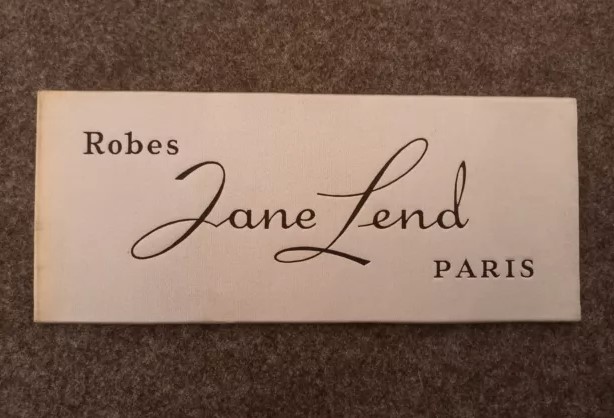
After she returned to Paris, Rose lived on her pension and by working as a seamstress. founded a highly successful ready-to-wear fashion house: Jane Lend[54], Janine/Jan focused on the design work, while Georges managed the business. Rose then worked there as a seamstress. When Georges separated from his wife in around 1965, he moved to Neuilly-sur-Seine, and Rose moved there soon afterwards.
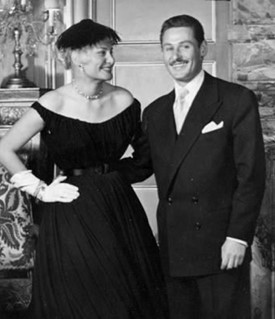
Janine and Joseph Georges Lendower – Family photo
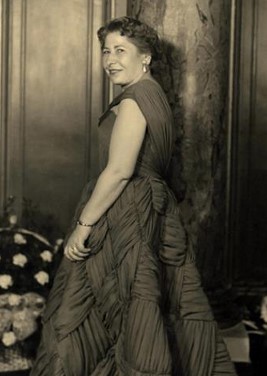
Rose Lendower – Family photo
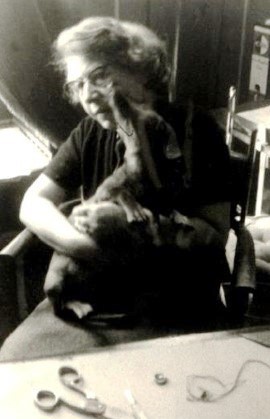
Rose in the Jane Lend workshop – Family photo
In the 1950s and 1960s, Rose devoted much of her time to her grandchildren. The family spent their vacations on the French Riviera. The Jane Lend fashion house was at the height of its success at the time, and Georges and Rose enjoyed the nightlife while Rose took care of the children.
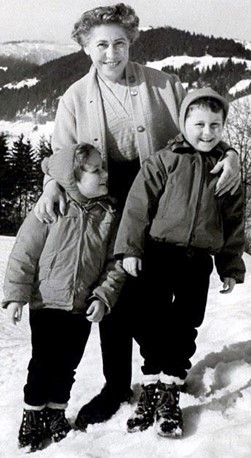
Muriel, Rose and Olivier in Megève – Family photo
On May 20, 1968, Aba died at the age of 91 while staying with his daughter, Paulette at 3, rue Crillon in the Alpes-de-Haute-Provence department of France.
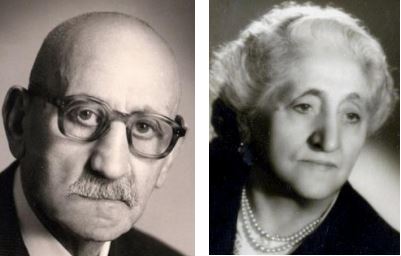
Aba and Peissa – Family photo
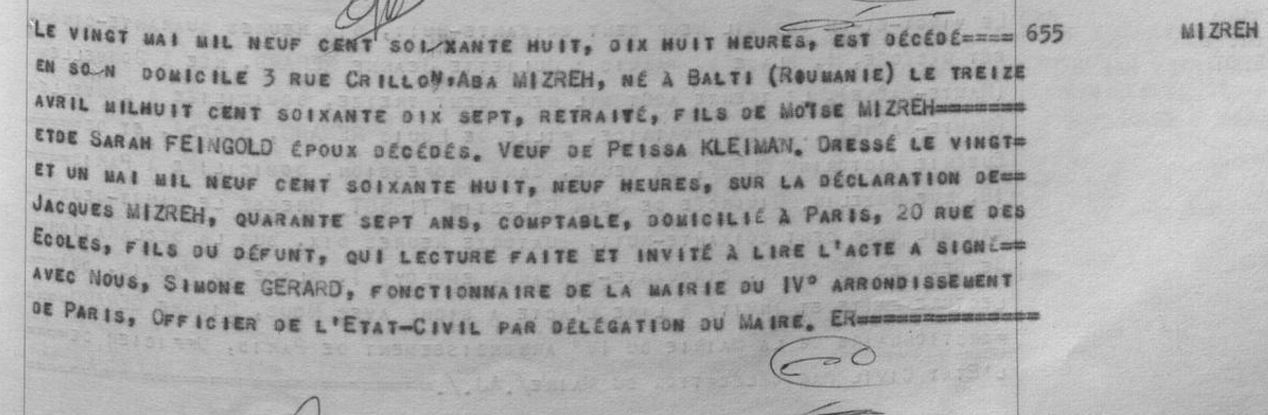
Aba Mizreh’s death certificate – 1968 – Civil register of the 4th district of Paris
Rose spent the final years of her life with her family. She enjoyed playing rummy and loved her dogs. She never spoke openly about having been deported. When her grandson Olivier asked her about the tattoo on her arm one day, she told him it was a bee sting !
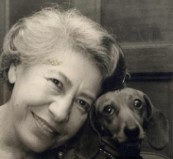
Rose and one of her dogs, Clémentine – Family photo
While she was away in Switzerland in 1980, Rose had a stroke. She was repatriated to the Cochin Hospital in Paris, then transferred to a rehabilitation center in Pontault-Combault in the Seine-et-Marne department. During her stay there, her condition deteriorated and she was admitted to the Rothschild Hospital in the 12th district of Paris. It was there that she died, on December 26, 1982. She is buried in the Bagneux Cemetery just outside Paris, alongside her brother Serge and her son Joseph “Georges,” who died in 2007. A memorial plaque on the grave also bears the names of Jankiel Lendower, Joseph Mizreh, Maurice Mizrek, and Maurice Krotenberg.
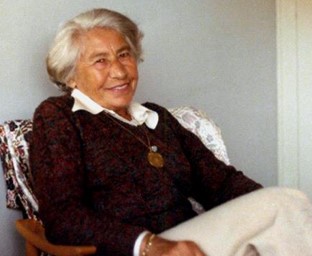
Rose Mizreh-Lendower towards the end of her life – Family photo
Muriel Lendower, Rose’s granddaughter, is a contemporary artist. As we mentioned earlier, ten years ago she carried out extensive research into her family, which we used as the basis for this biography. She and her brother Olivier came to our school to meet with the students.
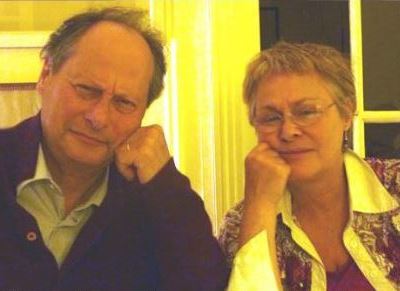
She asked us to include one her pieces in the biography.
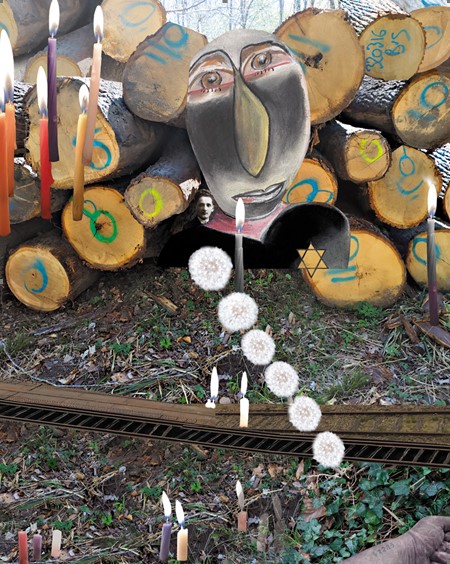
“I am sharing my testimony here, as a visual artist, through this piece entitled “En plein jour” (In Broad Daylight), which vividly depicts the deportation of Rose Lendower in 1944 and Jankiel Lendower in 1941. Our paternal grandmother survived and returned from the camps; our paternal grandfather died in Auschwitz in 1942. We, the twins, Olivier and Muriel Lendower, never knew him.”
Notes & references
Matzah, or matzo, is an unleavened bread eaten during the Hebrew holiday of Pesach (Passover), which commemorates the Exodus from Egypt. It is made according to very strict rules using only water and flour.
[2] In France, Jean Jaurès cited the Chisinau pogrom as an example to criticize the policy of rapprochement with St. Petersburg then being pursued by the Combes government.
[3] This community was particularly heavily decimated during the Holocaust.
[4] The spelling of her name varies between records: she is listed as “Sarah Feingold” on her son Aba’s death certificate, “Sarah Tainsof” on Michel Krotenberg and Peila Mizreh’s marriage certificate in 1923 in the 12th district of Paris, where she acted as a witness and was listed as living at 3, rue Maître Albert in the 5th district of Paris; she becomes “Sarah Wansoff” in the Aryanization file for her son Aba’s workshop. She was still alive in 1928, as she appears in the family photo. While we are almost certain she died in Paris, the inconsistency of the spelling of her name complicates the search, despite several attempts using different names in the ten-year tables.
[5] Her first name is spelled various different ways in the records: Peisa, Pesia, Pesi, Pesci, Pesca, Pessia and even Sessia!
[6] Also spelled Cleiman.
[7] It is not certain that she shared the same surname as her husband: the records mentioning this relationship are all French, and this information may have been entered because her true identity was unknown. Thus, on her death certificate, she is listed as the “daughter of David Cleiman and Sonia”.
[8] The descendants think that the whole family arrived all at the same time.
[9] A modern apartment block now stands on the site.
[10] There’s a surprising mix-up of first names in this census, where the family is listed under the name “Mizret”: Peila is listed as Paulin, Serge as Israel, Miriam as Marie, Robert as Isaac, and Jacques as “Jack”!
[11] When Rose married Jankiel Lendower in 1929, she is listed as living with her parents at this address.
[12] In this census, the family is listed “Myrels”! Joseph, Rose and Henri had spread their wings and were no longer living there, Serge is once again listed as Israël and Robert as Isaac. These details are interesting because, since censuses were based on people’s own declarations, these were probably the names that the family themselves used.
[13] This information is from the “Aryanization ”file for the workshop, dated 1941, which can be found at the Shoah Memorial in Drancy, ref. AJ38/1 628, dossier no. 11 482.
[14] He must not have lived there for very long, since the 1926 census lists him as still living at his parents’ address on Rue Villiot.
[15] Sometimes spelled Rosemberg.
[16] They are buried in the Bagneux Cemetery, but not in the same vault: Simon was buried on the edge of the 16th section, while Sophie, who died much later on, in July 1960, was buried in the 31st section. The burial register indicates that she was from Boissise-la-Bertrand, in the Seine-et-Marne department of France.
[17] Birth certificates issued after 1924 are not available online: this is unfortunate, as they would have listed Joseph and Adèle’s address at the time.
[18] Decree no. 13066-39.
[19] She was known as Paulette within the family. In official documents and census records, she is usually listed as Peila.
[20] This information is from the “Aryanization” file on this company as of 1942, as we shall see later.
[21] Ref. AJ 38/1724 – dossier 35 123
[22] The marriage certificate says that he was born on November 10 1902 in Irena (in fact it was Dęblin, in Poland), but all the other records we have say that he was born in 1905.
[23] A suburb of Warsaw.
[24] Now the Villa Gaudelet.
[25] On an information sheet from Pithiviers camp, where he was interned, his parents are listed “Hazofa and Maria Cayla”.
[26] The exact location is difficult to pinpoint: when she became a naturalized citizen, she was listed as having been born in Demblin (probably Dęblin), but her son’s birth certificate in Paris lists her place of birth as Karcet (a location nowhere to be found in Poland).
[27] We searched in vain in all the districts of Paris for a supposed marriage between 1912 and 1923.
[28] She is said to have been born in 1872 in Poland, but we do not have any record of this.
[29] Information from Ciné-Façades: Pathé-Journal (Paris 10ème)
[30] This date is known from the 2002 death records for Villejuif.
[31] He was registered as such in the Commercial Register in 1938.
[32] In the census records, she is listed under the first name Marie. Within the family, she went by a nickname, “Mimi.”
[33] She divorced Georges Ghighi or Benguigui in 1939. He died in Dresden in 1945, no doubt having been deported.
[34] He is listed as Isaac in the censuses from 1926 though 1936, living with his parents.
[35] This information is included in the “Aryanization” file for the shop he ran in Lyon with his sister, Peila Krotenberg –Shoah Memorial – ref. AJ 38/3 497 dossier 1362.
[36] Unless he had already left to seek refuge elsewhere: the “Aryanization” states that “Krotenberg has been gone since the beginning of the war”
[37] French Official Gazette n°189 dated August 17, 1994, p.12 044.
[38] Were they also in Lyon, or was he hiding somewhere else? We have no further information on this.
[39] Shoah Memorial – ref. AJ 33/3 497 dossier 1362.
[40] A fine way to put it!
[41] Shannon L. Fogg, Stealing home: Looting, Restitution, and Reconstructing Jewish lives in France, 1942-1947, published by Oxford Academic, 2016.
[42] On May 26, 1943, he was among a group of around 80 Jews transferred to Drancy camp.
[43] Comments recorded in Muriel Lendower’s research. The timeline of these events—and the missing details—make this rather unclear.
[44] Police report in response to a request for information from the Departmental Directorate for Veterans and War Victims in Paris, dated 1952.
[45] A modern apartment block now stands on the site.
[46] This statement turned out to be very important after the war, when Rose sought to prove that she had been a member of the Resistance. The others were arrested on grounds of their “race”, and Rose may have tried to emphasize the fact that she too was Jewish in order to cover up her role in the Resistance.
[47] This convoy is also known as Convoy 78.
[48] This is unlikely: We found none in any of our research.
[49] Joseph and Maurice were not all that old at the time: were they particularly weak or sick so they were not selected to enter the camp to work, or were they simply victims of random, sometimes nonsensical, selections; after all, the camp had to “make room” for new arrivals.
[50] In Montluc, Resistance fighters were held in cells, while Jewish men were held in the “Jewish barracks”
[51] We also do not know if he was ever held in Flossenbürg.
[52] Shannon L. Fogg, Stealing home: Looting, Restitution, and Reconstructing Jewish lives in France, 1942-1947, published by Oxford Academic, 2016.
[53] This procedure was based on Article R.286 of the French law on Military Pensions for Disability and War Victims, which specified that the status of “Deported Resistance fighter” could only be granted if there was clear evidence that the person had been deported specifically because of their involvement in acts classified as resistance against the enemy.
[54] An abbreviation of Jane Lendower. It was also occasionally referred to as the “Jane Owerland” fashion house.


